Entertainment news and discussion on TalkFuse.
I can’t stop comparing the dialogue from the original, messy FF7 localization and its vastly improved fan translation
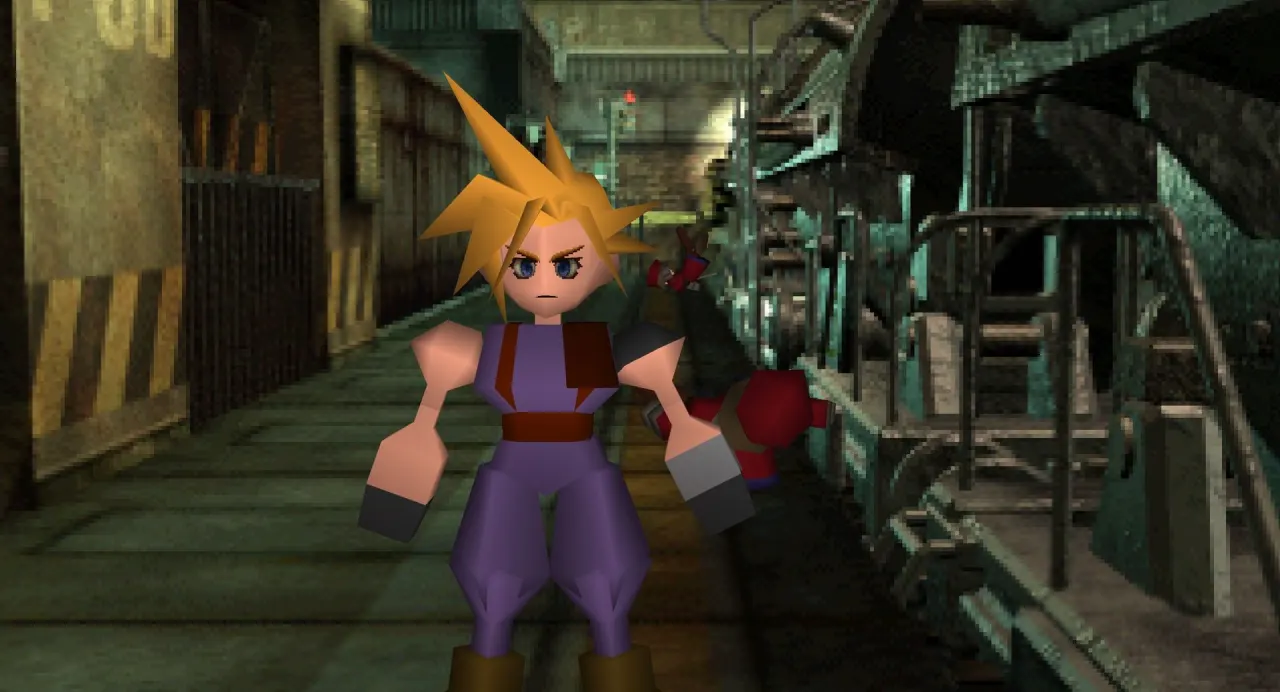
PC Gamer’s article compares the original English dialogue in *Final Fantasy VII* with a fan translation that aims to reflect the Japanese script more accurately. The writer finds that the revised wording makes character voices and story moments feel clearer, while highlighting how the official localisation’s awkward phrasing can change the tone or meaning of scenes.
The piece uses side-by-side examples to show differences in wording and characterisation, and discusses how the original translation’s constraints and errors became part of the game’s enduring reputation. The fan version is presented as a more faithful alternative, though the comparison also shows how translation choices shape players’ experience of a familiar story.
In short
- A fan translation revises *Final Fantasy VII*’s English dialogue.
- Comparisons reveal how wording affects tone and characterisation.
- The original localisation’s quirks remain part of the game’s legacy.
Steelman: both sides, in good faith
The strongest fair case each way — we don't pick a winner.
The case for
A translation faithful to the original Japanese script is superior because it honours the creators' intended meaning and grants players authentic access to the work as written, freed from 1990s technical constraints and localisation errors that distorted character voices and story significance. Accuracy to source material should take priority over nostalgic attachment, however culturally resonant the imperfect original has become.
The case against
The original English version possesses genuine value as a historical artefact and cultural touchstone that shaped millions of players' formative experience of the game. Rather than viewing it as simply flawed, there is merit in preserving this version as it existed—its distinctive character voices and even its quirks became integral to gaming's cultural heritage, and altering it risks erasing how players authentically encountered and connected with this pivotal work.
Explained simply
Final Fantasy VII is a hugely influential 1997 video game that was translated from Japanese into English for international release. Over the decades, fans and critics have noted that this original English translation contained awkward phrasing, errors and alterations from the Japanese script, which shaped how players understood the story and characters.
A group of dedicated fans has created an alternative translation that attempts to stay closer to the original Japanese dialogue. This fan version addresses passages where the official 1990s translation diverged from or obscured the Japanese source material.
Translation choices fundamentally shape how audiences experience characters, tone and plot. PC Gamer's comparison demonstrates how the original English translation—with its particular wording and constraints—became part of the game's enduring reputation, whilst showing that the same story can feel quite different depending on which version a player encounters.
Entertainment Gaming Health Medicine