Entertainment news and discussion on TalkFuse.
Game of Thrones Meets Star Wars in HBO Max’s Near-Perfect Space Opera
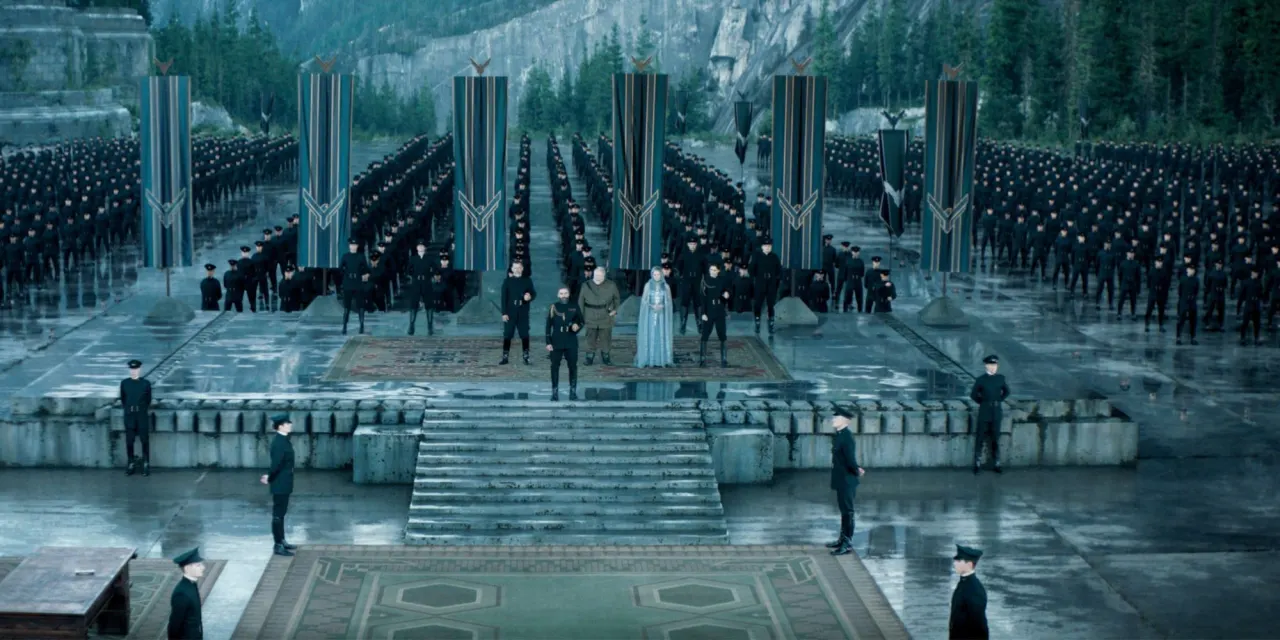
Denis Villeneuve's Dune films on HBO Max represent a masterful blend of Game of Thrones and Star Wars, combining the world-building and political intrigue of both franchises into a modern space opera. The story follows Duke Leto Atreides, who is tasked with controlling the desert planet Arrakis—home to the vital spice mélange used for interstellar travel—in what is essentially a death sentence orchestrated by the Emperor and the Harkonnens, mirroring Ned Stark's doomed appointment as Hand of the King. After his father's death, protagonist Paul Atreides intends to help the Fremen reclaim their planet, but gradually becomes corrupted by power, embodying the very thing he sought to fight against.
Villeneuve's adaptation surpasses the relative optimism of Star Wars and Game of Thrones by presenting a bleaker, more nuanced exploration of charismatic leadership and its consequences. Rather than a traditional victory, Paul's triumph becomes a tragedy for the entire Imperium, making Dune thematically complex and more relevant to contemporary audiences than either predecessor. The films exemplify the best storytelling of modern space opera whilst warning against the dangers of unchecked power.
In short
- Dune blends Game of Thrones and Star Wars into a superior modern space opera
- Paul Atreides becomes corrupted by power despite good intentions
- Unlike its predecessors, Dune presents the protagonist's victory as a tragedy
Steelman: both sides, in good faith
The strongest fair case each way — we don't pick a winner.
The case for
The Villeneuve films masterfully synthesise political intrigue and mythic storytelling into a sophisticated exploration of how idealism becomes corrupted by power and institutional betrayal. Their bleaker, more morally ambiguous approach represents a more thematically complex take on space opera than Star Wars' optimism or even Game of Thrones' feudal drama, engaging contemporary audiences' anxieties about charismatic authority and institutional failure in ways more traditional narratives cannot match.
The case against
Whilst visually accomplished, the films risk mistaking visual spectacle and pervasive bleakness for genuine narrative substance, and the privileging of darkness as inherently superior dismisses the authentic sophistication of Star Wars and Game of Thrones themselves. Critics reasonably question whether the films' complexity genuinely serves the story or represents ambitious overreach, with some finding them emotionally distant and narratively convoluted despite their thematic ambitions.
Explained simply
Denis Villeneuve has directed a film adaptation of Dune, a science fiction epic set in a distant future where powerful factions compete for control of planets and resources. The story centres on Paul Atreides, whose father is appointed to govern Arrakis, a desert planet that produces spice mélange—a substance essential for space travel and commerce. This appointment proves to be a deliberate trap set by rival powers seeking to eliminate Paul's family.
Following his father's death, Paul becomes connected to the Fremen, the native people of Arrakis, who see him as a potential liberator who could help them reclaim their world. As Paul gains power and influence, his effects ripple across the entire galactic empire in ways that prove destructive rather than redemptive, despite his original intentions.
The adaptation presents a story in which charismatic leaders can become corrupted by power and cause widespread harm, even when their initial aims were noble. This theme gives Dune a particular perspective on authority and leadership that differs from how similar stories are typically told in science fiction.
Celebrity Entertainment Film Health Medicine Space Technology