Entertainment news and discussion on TalkFuse.
10 Scariest Movies You Didn’t Realize Are Based on Books, Ranked
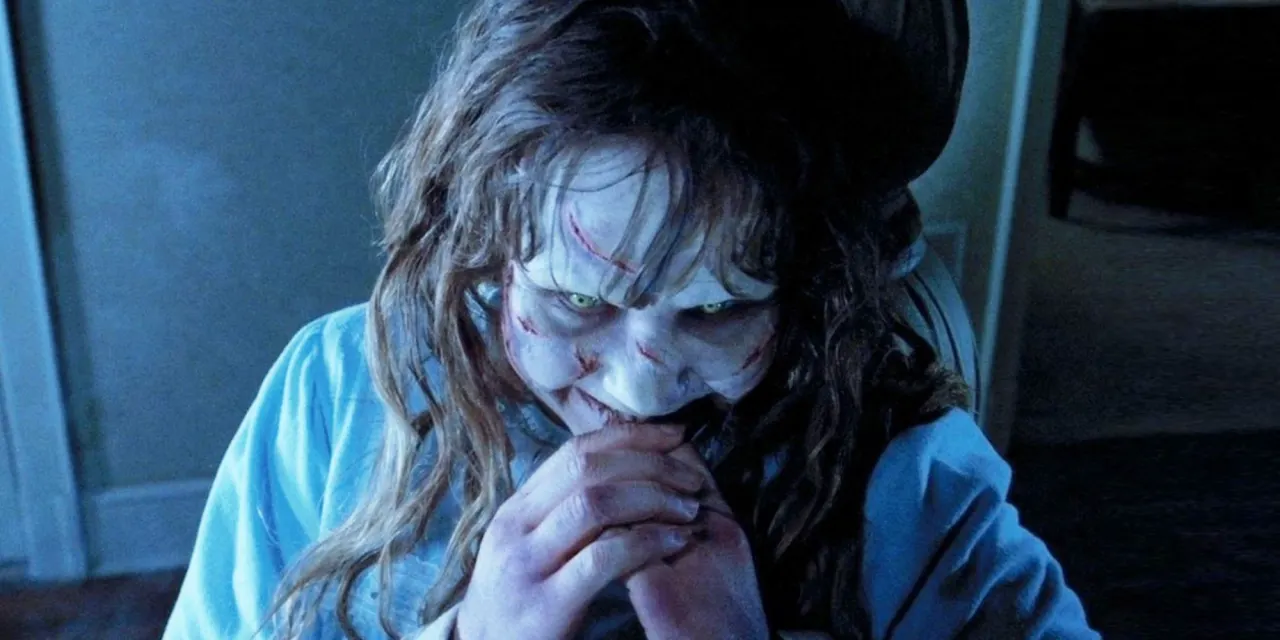
This article ranks ten of the scariest films adapted from books, showcasing how some movie adaptations manage to equal or even surpass their source material. The pieces highlighted include classic horror films such as Jaws, where a great white shark terrorises a New England resort town, and The Ring, adapted from Koji Suzuki's 1991 novel, which follows a reporter investigating mysterious deaths linked to a cursed videotape. Other notable inclusions are I Know What You Did Last Summer (based on Lois Duncan's YA novel), The Ruins (adapted from Scott Smith's survival horror), and No One Gets Out Alive (based on Adam Nevill's award-winning novel but relocated to America for a fresh perspective on immigrant survival horror). The article suggests that whilst not every book-to-screen adaptation succeeds, these particular films successfully translate the terror of their source material to the screen, often with their own creative interpretations.
In short
- Ranking of horror films adapted from books, demonstrating successful literary-to-screen translations
- Includes classics like Jaws and The Ring alongside contemporary entries like No One Gets Out Alive
- Many adaptations elevate or reinterpret their source material whilst maintaining the core scares
Explained simply
Many of the scariest films audiences have encountered over the years began as novels rather than original screenplays. Jaws and The Ring are often remembered primarily as films, yet both were books that reached readers first. Understanding this connection is useful background for anyone interested in how horror stories work across different media.
Horror novels have provided the foundation for numerous film adaptations, ranging from well-known literary works to lesser-known books that found wider audiences through cinema. Examples include Scott Smith's The Ruins and Adam Nevill's No One Gets Out Alive. When filmmakers adapt these stories, they typically make creative choices about translating written storytelling into visual form, including changes to settings and how scenes are portrayed.
Many people encounter horror stories through either books or films without realising the original source. Knowing that celebrated horror films were adapted from literature can lead audiences to explore both forms of a story. This shows how effective frightening narratives can cross between different storytelling media.