Science news and discussion on TalkFuse.
Study reveals the companies connected cars contact in everyday use
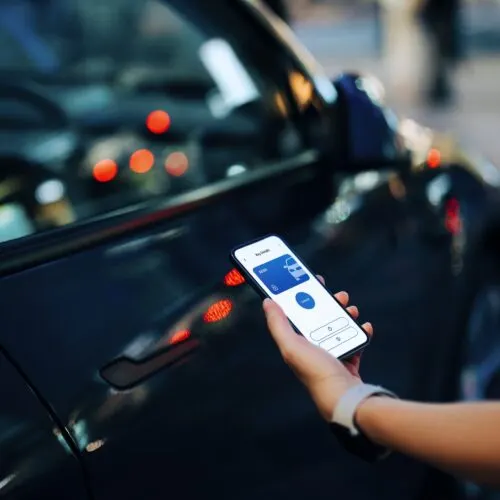
A study by Northeastern University researchers and Consumer Reports found that connected cars routinely contact advertising, tracking and analytics services, with some also sharing traffic with major technology firms. The findings matter because they show what cars actually connect to in practice, beyond what can be inferred from reading manufacturers’ privacy policies.
The team monitored 21 cars from 19 brands in different situations and examined 30 companion apps. Tesla’s Model 3 contacted 34 advertising, tracking and analytics domains, plus 37 domains linked to integrated apps; some car apps exposed users to more than 20 additional companies. Infotainment use generally led to the most domain contacts, while some electric cars switched to Wi-Fi when cellular signals were blocked. Automakers that replied said contracts restricted third parties’ use of personal information, but the researchers could not inspect the encrypted data itself.
In short
- Researchers tracked connections from 21 cars across 19 brands.
- Tesla’s Model 3 contacted dozens of third-party domains.
- Companion apps can add many more trackers.
Steelman: both sides, in good faith
The strongest fair case each way — we don't pick a winner.
The case for
This study reveals the scope of data collection that car owners may not realise is occurring. Even if contractual restrictions exist, users have limited visibility into which companies their vehicles contact or what information is transmitted, particularly through encrypted connections. The involvement of numerous advertising and tracking services raises questions about whether data practices align with consumers' reasonable expectations of privacy in their own vehicles.
The case against
Modern connected vehicles require integrations with various services to deliver the features consumers expect—navigation, diagnostics, entertainment, and safety improvements. Data sharing with contracted partners under legal restrictions is necessary and standard practice. The study's findings that connections occurred don't establish that personal information was actually transmitted; encrypted traffic suggests responsible security practices. These services substantially improve vehicle safety and functionality, and some degree of data sharing is unavoidable in contemporary automotive design.
Explained simply
Connected cars collect and share data about driving habits, location and vehicle use with various online services. As these vehicles have become more common, questions have grown about which companies have access to driver information and how they use it.
Researchers from Northeastern University and Consumer Reports studied what services cars actually contact during everyday use by monitoring 21 vehicles from 19 manufacturers. They discovered that cars and their companion apps routinely connect to advertising, tracking and analytics services, with individual vehicles sometimes contacting dozens of these companies.
The research matters because it reveals the gap between what manufacturers disclose in privacy policies and what their vehicles actually do. Whilst automakers say contractual agreements protect personal data from third parties, the researchers could not examine the encrypted information being sent, leaving the true scope of data sharing unclear to consumers.
Read the full article at the source →
Originally published by Ars Technica as “This study looks at how and with whom connected cars share your data”.