World news and discussion on TalkFuse.
BrewDog’s new owner pledges £50m as it seeks to restore trust
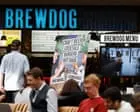
Tilray, which bought BrewDog out of administration in March, is asking customers to give the struggling brewer another chance as it invests more than £50m in the business. Chief executive Irwin Simon says the company plans to improve beer quality, raise standards for staff and rebuild the brand’s reputation after years of losses and controversy over working conditions.
Tilray paid £33m for BrewDog’s brand, UK breweries and 11 bars; 38 other bars closed and 440 people lost their jobs, while more than 200,000 crowdfunding investors lost the value of their shares. Five closed bars have since reopened, and Tilray says it has increased pay and discarded more than £1m of beer that failed to meet standards. Simon says BrewDog’s annual sales could grow from about £225m to £350m and that it could become profitable, though creditors owed about £190m will not be repaid in full.
In short
- Tilray is investing over £50m to revive BrewDog.
- The takeover left crowdfunding investors’ shares worthless.
- The owner aims to improve beer, pubs and working conditions.
Steelman: both sides, in good faith
The strongest fair case each way — we don't pick a winner.
The case for
Tilray's £50m investment represents a genuine rescue operation that benefits all remaining stakeholders. Without this intervention, BrewDog would have disappeared entirely, leaving workers without jobs and creditors with nothing. The company is demonstrating meaningful commitment through wage improvements, quality standards, and bar reopenings that restore employment, whilst professional management and fresh capital offer a realistic path to profitability and eventual creditor recovery that wouldn't exist otherwise.
The case against
Tilray's investment cannot address the permanent losses already sustained by workers, retail investors, and creditors who have absorbed the full cost of previous mismanagement. The narrative of 'rescuing' the company risks obscuring that ordinary people lost everything—440 workers their jobs, 200,000+ investors their savings, and creditors owed £190m will only receive partial repayment. Celebrating operational improvements whilst these stakeholders face permanent harm raises uncomfortable questions about who bears the actual cost of business failure.
Explained simply
BrewDog is a Scottish craft brewery that grew into one of Britain's most prominent independent beer brands during the 2010s, becoming known for distinctive marketing and rapid expansion. However, the company faced persistent controversy over working conditions and staff treatment, and despite apparent commercial success, suffered mounting financial losses.
In March 2026, financial pressures forced BrewDog into administration, a formal process through which struggling companies' assets are managed whilst potential buyers are sought. The American company Tilray purchased BrewDog's main business assets, though the collapse resulted in numerous bar closures and hundreds of job losses. More than 200,000 people who had invested in BrewDog through crowdfunding schemes also faced significant losses on their shares.
The situation is significant because BrewDog represents a major British business attempting recovery from years of difficulty. The ability of the company to stabilise and restore trust with customers and investors is being closely watched.
Americas Business Companies World
Read the full article at the source →
Originally published by The Guardian as “Give BrewDog second chance, says new owner as it invests £50m”.