Entertainment news and discussion on TalkFuse.
Newsom’s coastal defences could worsen beach loss, experts warn
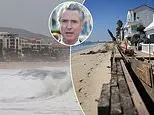
California Governor Gavin Newsom has implemented an emergency plan to protect coastal homes and infrastructure from severe El Niño weather by constructing barriers made of rocks, seawalls, and concrete along the shoreline. However, coastal experts have strongly criticised this approach, warning that whilst these measures offer short-term protection, they risk causing substantial long-term damage to California's beaches by trapping sand between the rising ocean and the artificial structures.
The US Geological Survey warns that California could lose up to two-thirds of its beaches by the end of the century if sea levels rise between three and six feet as projected. Environmental organisations like the Surfrider Foundation argue this represents a false choice between protecting private property and public beaches, and propose alternative solutions such as importing sand to naturally strengthen eroding coastlines, albeit at considerable expense. The tension between immediate coastal defence and long-term environmental harm reflects a broader challenge facing California's coastal communities.
In short
- Newsom's coastal barriers may protect homes but destroy beaches long-term
- California risks losing two-thirds of beaches by century's end
- Sand replenishment offered as alternative but costs prove prohibitive
Steelman: both sides, in good faith
The strongest fair case each way — we don't pick a winner.
The case for
The immediate protection of homes and infrastructure against severe weather is a pressing government responsibility when residents face genuine danger from El Niño events and rising seas. Whilst barriers may affect long-term beach dynamics, present threats to lives and property cannot wait for slower, more expensive alternatives like sand importation to be implemented at scale. Some degree of coastal defence is unavoidable as sea levels rise; the urgent question is how to prioritise the safety of vulnerable communities now, rather than defer action whilst ideal solutions are pursued.
The case against
Short-term barriers create a false choice that ultimately worsens the very problem they claim to solve, as research demonstrates seawalls trap sand and accelerate beach loss. This approach sacrifices public environmental and recreational assets to protect private property interests, delivering neither genuine long-term safety nor environmental protection. Alternative approaches such as managed sand restoration, though requiring substantial upfront investment, would actually address both present and future coastal challenges whilst preserving the beaches that form the foundation of California's recreational, economic, and ecological life.
Explained simply
California's governor Gavin Newsom has ordered the construction of barriers along the shoreline to protect homes and infrastructure from severe weather caused by El Niño conditions. These barriers are made from rocks, seawalls, and concrete. The measure is intended to provide immediate protection to at-risk communities and property.
However, experts have raised serious concerns about the long-term consequences of this approach. The barriers risk trapping sand between them and the rising ocean, which could accelerate beach erosion over time. The US Geological Survey has warned that California could lose up to two-thirds of its beaches by the end of the century if sea levels rise as predicted.
Environmental organisations have argued that this represents a false choice between protecting private property and preserving public beaches, and have proposed alternative solutions such as importing sand to naturally strengthen eroding shorelines. The debate reflects a broader challenge as California's communities try to balance immediate protection needs with long-term environmental concerns.
Entertainment Government Horror Politics World
Read the full article at the source →
Originally published by Daily Mail as “Blundering Gavin Newsom’s plan to combat ‘super’ El Nino is set to DESTROY California’s beautiful beaches, experts say”.