World news and discussion on TalkFuse.
Aaron Judge’s calf strain could cascade into hamstring or Achilles injuries if rushed back, surgeon warns
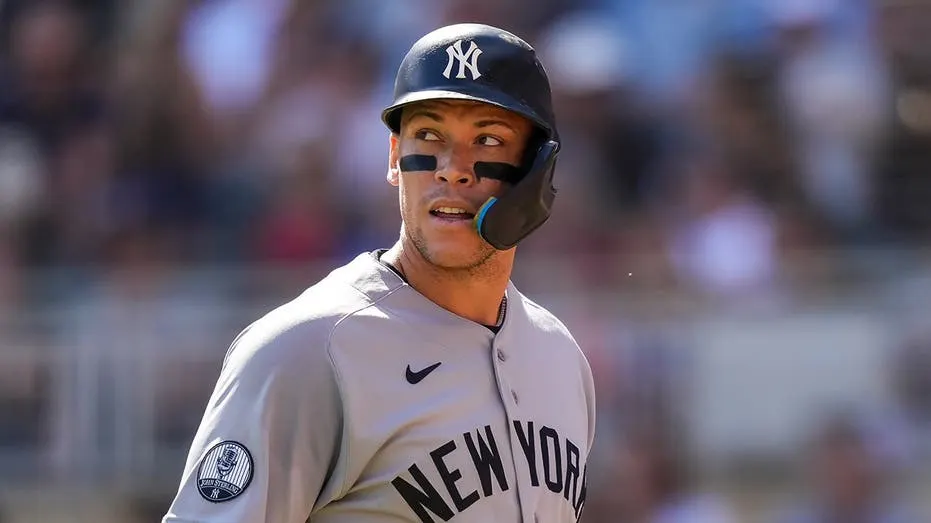
Aaron Judge, the New York Yankees captain, was left off the roster for the Wild Card series against the Boston Red Sox after sustaining a moderate soleus muscle strain in his calf. Despite attempting to return from the injury following treatment with platelet-poor plasma injection, Judge did not recover in time to participate in the best-of-three series. This decision may have been prudent, as medical experts warn that premature return could expose him to serious cascading injuries.
Dr. Drew Burdi, a foot-and-ankle surgeon, cautioned that rushing Judge's return could transform the moderate calf strain into a severe injury requiring substantially longer recovery time. The risks include overstraining the hamstring, increased stress on the Achilles tendon, and in the worst-case scenario, an Achilles rupture—an injury that, whilst not necessarily career-ending, typically leaves athletes permanently altered in performance. Judge's absence creates a significant gap in the Yankees' lineup, though he had returned to play in seven games before the Wild Card, hitting just .174 with one home run.
In short
- Judge benched for Wild Card series to avoid worsening his calf strain
- Surgeon warns premature return risks hamstring and Achilles injuries
- Rushing back could shift moderate strain to severe, extending recovery indefinitely
Steelman: both sides, in good faith
The strongest fair case each way — we don't pick a winner.
The case for
Holding Judge out was medically sound given the well-documented risks of premature return from calf strains. Soleus injuries can cascade into hamstring and Achilles problems, potentially transforming temporary injury into permanent performance degradation. Judge's anaemic performance in his limited return—batting .174 with one home run—suggested incomplete readiness, and a franchise's long-term success depends on protecting its best player's health over any single playoff series.
The case against
The Yankees' playoff aspirations rested on their captain and best player being available for crucial October games. Judge had demonstrated his capacity to take the field in seven games, and respecting a professional athlete's willingness to compete through manageable injury reflects standards in high-stakes sport. Playoff opportunities are too valuable and unpredictable to pass up, and sometimes competitive success requires calculated acceptance of injury risk rather than conservative caution.
Explained simply
Aaron Judge is the captain of the New York Yankees and one of professional baseball's most prominent players. He suffered a moderate strain to his soleus muscle, a part of the calf, and was held out of the Wild Card playoff series against the Boston Red Sox.
Judge attempted to return to play after receiving treatment for the injury and appeared in seven games before the playoffs. However, he was not available for the Wild Card series, creating a significant gap in the Yankees' lineup.
Medical professionals have warned that returning to play too soon from a calf strain could trigger further injuries in a cascading effect. If Judge plays whilst not fully recovered, the calf injury could worsen or his body might compensate by placing extra strain on the hamstring or Achilles tendon. In the most severe cases, this could result in an Achilles rupture—an injury that, whilst not career-ending, typically leaves athletes with permanently compromised performance levels.