World news and discussion on TalkFuse.
Customers at Asian supermarket in east London form separate male and female queues as they wait in line for discounted cooking oil
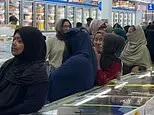
A video emerged showing customers at Masala Bazaar, a British Asian supermarket in Romford, east London, queuing separately by gender during promotional sales in late August. The footage, filmed during the store's third anniversary celebrations, showed women and men standing in separate lines to receive discounted cooking oil and other products, which subsequently circulated online.
The store's management stated the gender-divided queues were not a deliberate policy but occurred spontaneously due to severe overcrowding as customers rushed to collect free anniversary gifts during a "power hour" promotion. Staff emphasised that customers self-segregated of their own accord and that no attempt was made to enforce this arrangement, with the situation normalising within approximately one minute. Masala Bazaar, which specialises in halal meat and South Asian produce, operates across multiple UK locations and issued an apology for organisational shortcomings during the event.
In short
- Video shows gender-separated queues at east London supermarket during anniversary sale
- Management denies directing this; attributes self-segregation to overcrowding
- Store apologises; situation quickly returned to normal mixed queuing
Steelman: both sides, in good faith
The strongest fair case each way — we don't pick a winner.
The case for
Critics argue that gender segregation in public commercial spaces—even if spontaneous—reinforces problematic divisions contrary to principles of equal participation in integrated society. The self-segregation suggests underlying community attitudes about gender interaction that warrant concern, and the store's apparent acceptance of the arrangement risks normalising such separations in retail settings, potentially establishing a troubling precedent.
The case against
Defenders contend that one chaotic promotional event where customers spontaneously separated, without official policy or enforcement, does not constitute meaningful discrimination or evidence of institutional attitudes. The store neither directed nor encouraged segregation and later apologised for organisational failings; extrapolating broader concerns from a disorganised moment overlooks that diverse communities hold varied norms around gender interaction, and customer agency in crowded circumstances should not be misrepresented as systematic policy.
Explained simply
A video emerged in late August showing customers at Masala Bazaar, a British Asian supermarket in Romford, east London, standing in separate queues divided by gender. The footage was filmed during the store's third anniversary celebrations when it was promoting discounted cooking oil and other products to shoppers.
The store's management stated that the gender-separated queues were not an official policy but happened naturally because the shop became extremely crowded during a promotional 'power hour'. They said customers arranged themselves into separate lines without instruction from staff, and the situation lasted only about a minute. Masala Bazaar specialises in halal meat and South Asian produce and operates across several UK locations.
The incident became widely discussed on social media and raised questions about gender segregation in public spaces, as well as how retailers should manage unexpected crowds during promotional sales.
Asia Culture Entertainment Film Food World