Culture news and discussion on TalkFuse.
Orionid meteor shower to streak across night sky this week
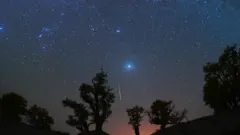
The Orionid meteor shower will be visible in the coming weeks as Earth passes through debris left by Halley’s Comet. It matters because it offers a regular chance to see meteors, even though the comet itself will not return to view until 2061.
The shower is active from 2 October to 7 November and is expected to peak overnight on 21–22 October, with the best viewing between midnight and dawn. Under ideal conditions, around 10 to 20 meteors an hour may be seen; they enter the atmosphere at about 41 miles per second. Clearer spells are most likely in southern and eastern England, while cloud, rain or showers may limit views elsewhere; a bright Moon could also hide fainter meteors. Find a dark spot with a wide view, allow your eyes 15–20 minutes to adjust and watch with the naked eye.
In short
- Orionids peak overnight on 21–22 October.
- Look between midnight and dawn for the best chance.
- Dark skies help; cloud and moonlight may reduce visibility.
Explained simply
The Orionid meteor shower occurs each year when Earth passes through debris left by Halley's Comet as it orbits the sun. Although the famous comet itself only returns every 76 years (and not again until 2061), this annual shower gives people a chance to see fragments of the comet burning up in our atmosphere.
The meteor shower is active from October through early November, with the most meteors expected around 21 to 22 October. In ideal conditions, observers can see between 10 and 20 meteors per hour as they streak across the sky at approximately 41 miles per second.
For the best viewing, find a location away from artificial light and allow your eyes 15 to 20 minutes to adjust to the darkness. Watching between midnight and dawn offers the greatest chance of spotting meteors, though weather conditions and moonlight may affect visibility depending on your location.