Samsung Galaxy SmartTag 3 Shrinks Device, Expands to iPhone Users and Pet Monitoring
Developing story first seen 1 hour ago
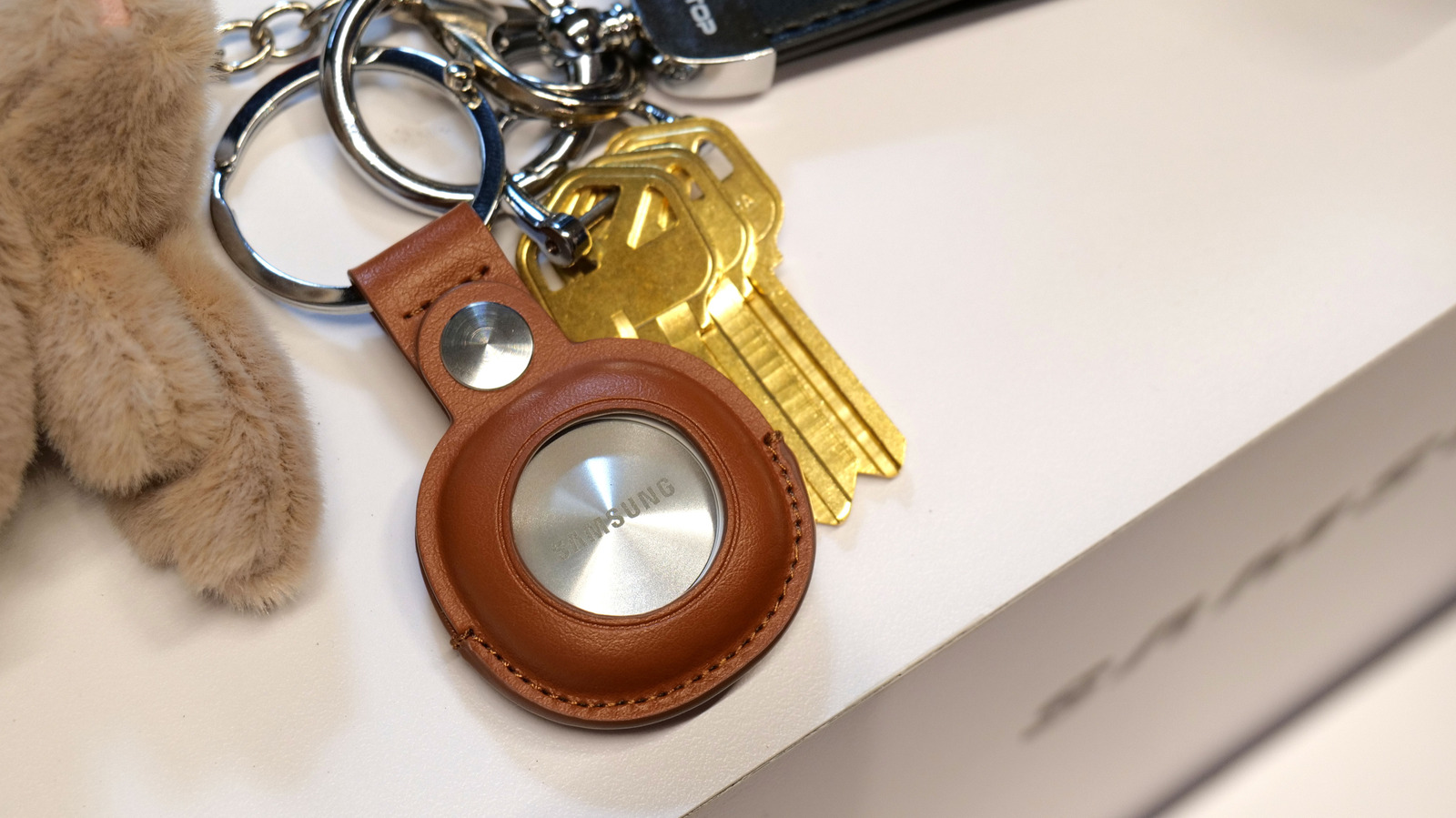
The Galaxy SmartTag 3 adds iPhone compatibility and pet activity monitoring to Samsung’s tracking device, while improving its range and battery life. The changes broaden its use beyond finding misplaced belongings, though its pet features track movement and sleep rather than health measurements.
Samsung says the tag is 35 per cent smaller and 33 per cent lighter than its predecessor, with battery life of up to 550 days in normal mode or 790 days in Power Saving mode. Bluetooth 6.0 Channel Sounding provides distance and direction guidance from up to 60 metres away, while ultra-wideband helps locate items more precisely nearby. A new Place Notification feature alerts users when the tag enters or leaves a chosen area; the device is IP67-rated and will come in black or white, starting at $30, with availability expected in early November.
- SmartTag 3 adds iPhone support and pet movement and sleep tracking.
- Range reaches 60 metres, and battery life extends to 790 days.
- It starts at $30 and is due in early November.
New here? Start with this
Samsung's latest tracker is a small device that clips onto bags, keys or other items to help you locate them when they go missing. Previous versions only worked reliably with Samsung phones, but the new Galaxy SmartTag 3 connects to iPhones as well, making it useful for families with mixed phone brands. The device is considerably smaller than before and lasts longer on a single charge.
The move to support iPhones represents a significant shift for Samsung, opening its tracking network to a much wider audience. Samsung operates a "Find Network" of millions of devices that help pinpoint lost items by using other nearby phones to report their location, and family members can now share this tracking information with each other regardless of which phone brand they use. This matters for households trying to keep tabs on children, elderly relatives, or valuable items where different family members might have different phones.
Beyond tracking items, Samsung has added pet monitoring features that let owners see where their cat or dog is, how much they move around, and when they sleep. However, the SmartTag 3 lacks advanced health tracking found in dedicated pet devices—it will not measure heart rate or oxygen levels. For owners who simply want to know their pet's whereabouts and activity level, it offers a practical option alongside more comprehensive pet health monitors already available.
Both sides, in good faith
The strongest fair case each way — we don't pick a winner.
The case for
This product represents a genuine advance in accessibility and consumer choice. The smaller form factor and improved battery life address practical frustrations with previous generations, whilst cross-platform compatibility with iPhones is particularly significant—it dissolves ecosystem lock-in and serves the many households using mixed devices. The addition of pet monitoring expands the utility beyond item tracking into territory previously reserved for specialist devices, democratizing capabilities that were once expensive and niche. Such miniaturisation and cross-compatibility benefits consumers by offering flexibility and broader compatibility without requiring them to commit wholly to Samsung's ecosystem.
The case against
The proliferation of compact, affordable tracking technology raises substantive concerns about surveillance and personal privacy that warrant caution. Whilst manufacturers market these devices for legitimate purposes—locating keys and monitoring pets—the underlying capability enables tracking individuals without consent, a risk that intensifies as such devices become ubiquitous and harder to detect. Companies ought to implement and clearly communicate stronger safeguards against misuse, transparency about data collection and retention, and features that alert users to being tracked. The convenience and appeal of this technology must be weighed seriously against its potential for enabling stalking, harassment, and invasive surveillance, particularly of vulnerable persons.
Full account
Samsung has introduced the third generation of its Bluetooth tracking device, the Galaxy SmartTag 3, featuring a substantially more compact silhouette and expanded operating system compatibility. The device preserves the rounded-square aesthetic familiar from its predecessor, boasting an IP67 rating for protection against dust and water ingress. A distinctive departure from earlier variants concerns the absence of a built-in fastening mechanism for direct attachment to keys or carabiners, necessitating separate protective casings should users wish to affix the tracker to such items.
The new model presents considerable advances in physical dimensions and battery performance. Measuring approximately 35 per cent smaller and 33 per cent lighter than the preceding generation, the SmartTag 3 achieves extended runtime through refined power management, enabling its replaceable CR2032 battery to operate for up to 550 days under typical conditions or 790 days in conservation mode. These improvements represent incremental enhancements over the SmartTag 2's battery specifications.
Tracking functionality has been significantly enhanced through the incorporation of Bluetooth 6.0 Channel Sounding and ultra-wideband technology, enabling precise location detection over extended distances. The device introduces geofencing capabilities that generate alerts when tagged items enter or leave designated zones, complemented by motion detection and historical location records. Samsung's proprietary Galaxy Find Network infrastructure underpins these tracking operations.
The device introduces cross-platform functionality via the SmartThings application for the first time, permitting iPhone users to locate and monitor tagged objects alongside Android device owners. Beyond conventional item tracking, the SmartTag 3 operates as a lightweight activity monitor for pets, recording movement frequency, activity duration, and rest periods—a capability that distinguishes it from competing trackers. The SmartThings application provides a dedicated section for reviewing compiled animal activity metrics.
The Galaxy SmartTag 3 is offered in black and white variants at $29.99 per unit or $99.99 for four-packs. The device enters initial sales in South Korea from 7 October, with wider distribution commencing during early November.
Where outlets differ
Source 1 dedicates discussion to the removed key ring cutout and requirement for separate protective cases; Source 2 does not mention this design change
Source 1 makes no reference to pet monitoring capabilities; Source 2 emphasises activity tracking for animals as the 'most surprising new feature' with considerable detail
Source 1 explicitly contrasts Samsung's Galaxy Find Network with Google's competing Find Hub system; Source 2 does not address network infrastructure distinctions
Source 1 expresses uncertainty regarding compatibility with non-Samsung Android devices, noting Samsung was being contacted for clarification; Source 2 presents cross-platform support without qualification
Source 2 notes the SmartTag 3 announcement alongside new Galaxy Tab tablet releases; Source 1 contains no reference to these concurrent product debuts
Coverage
- The Verge — Samsung’s new SmartTag is smaller, longer-lasting, and works with iPhones
- Engadget — Samsung’s new SmartTag tracks pets’ activity as well as location