Business news and discussion on TalkFuse.
New UK gas and oil projects are a ‘no-brainer’, says EDF boss
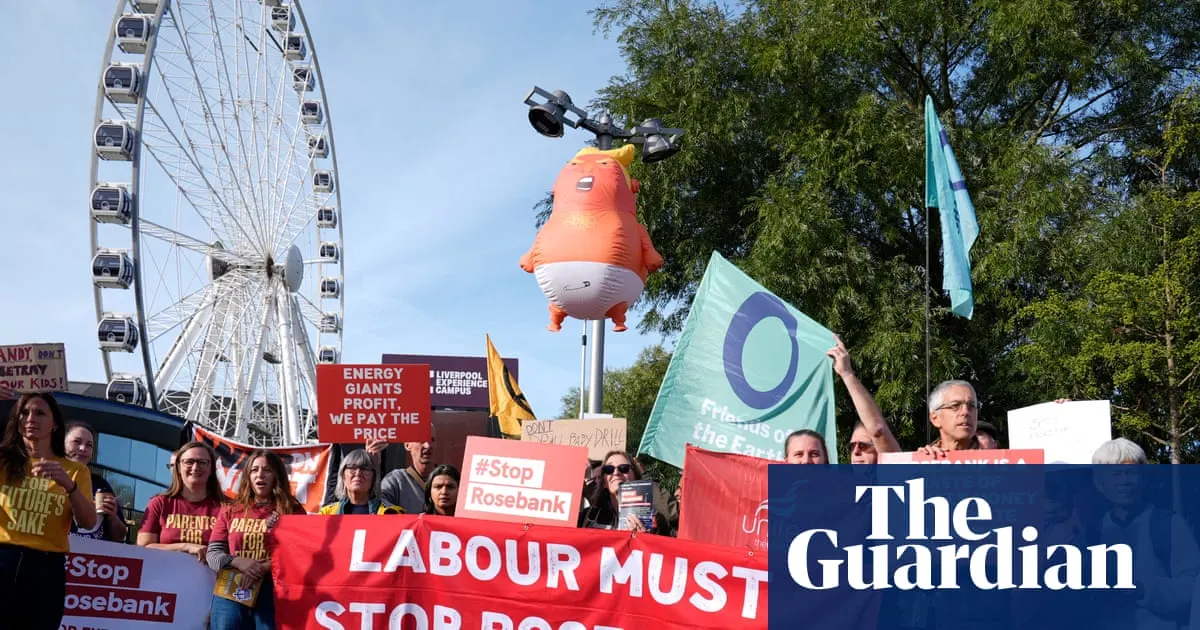
EDF Energy chief executive Simone Rossi says approving the Rosebank and Jackdaw North Sea oil and gas projects would not conflict with the UK’s net zero goals. He argues domestic production could replace some imports, support jobs and tax revenues, and help households with energy bills, while the country steadily shifts towards electrification.
Rossi says reducing fossil fuel use at the point of consumption is essential and electricity is the long-term solution. EDF supplies about a fifth of the UK’s low-carbon electricity and has around 8GW of low-carbon capacity, including nuclear, wind, solar and battery storage. The government is expected to decide on the two already licensed projects within weeks; ministers face pressure from environmental groups to reject them, and developers had to resubmit their applications after a court required further consideration of emissions from burning the fuels.
In short
- EDF’s chief says two North Sea projects can coexist with net zero.
- He cites jobs, tax revenue and reduced reliance on imported fuels.
- Ministers are expected to decide on Rosebank and Jackdaw within weeks.
Steelman: both sides, in good faith
The strongest fair case each way — we don't pick a winner.
The case for
Approving new domestic oil and gas projects represents pragmatic energy management during a prolonged transition to net zero. Whilst electrification is essential and inevitable, replacing this capacity takes decades; domestic production meeting real current demand reduces reliance on imported energy, potentially from countries with weaker environmental standards. These projects generate substantial tax revenue and employment whilst renewable and low-carbon capacity continues to expand in parallel. Rather than rejecting projects outright, a realistic transition allows fossil fuels to decline gradually as alternatives mature and deployment accelerates.
The case against
Approving new fossil fuel projects fundamentally contradicts the UK's net zero commitment and locks in decades of additional carbon emissions. New oil and gas fields typically operate for twenty to thirty years or longer, meaning these projects will significantly increase emissions precisely when climate science demands rapid reduction. Investment diverts capital and political focus from genuine solutions—accelerated renewable deployment, nuclear expansion, and industrial electrification—which offer superior long-term economic benefits and are already cost-competitive. The transition argument, however reasonable it sounds, risks becoming indefinite delay when immediate action is what the climate crisis requires.
Explained simply
The UK government is deciding whether to approve two North Sea oil and gas projects called Rosebank and Jackdaw. These would extract oil and gas from beneath the sea, with supporters arguing the projects could help manage energy bills and support jobs in energy production.
The UK has committed to reaching net zero emissions by 2050, a target requiring the country to dramatically cut pollution from burning fuels. Environmental groups oppose the projects as conflicting with this goal, whilst supporters argue that domestic oil and gas production could reduce imports and help during the energy transition.
The government is expected to decide within weeks. The projects faced legal challenges requiring companies to provide more information about emissions when extracting and burning the fuel. The decision comes as Britain debates how fast to reduce fossil fuel use whilst addressing concerns about energy costs and employment.
Business Climate Football Science Sport UK World