World news and discussion on TalkFuse.
Brixham fishermen land record 621lb bluefin tuna in Devon waters
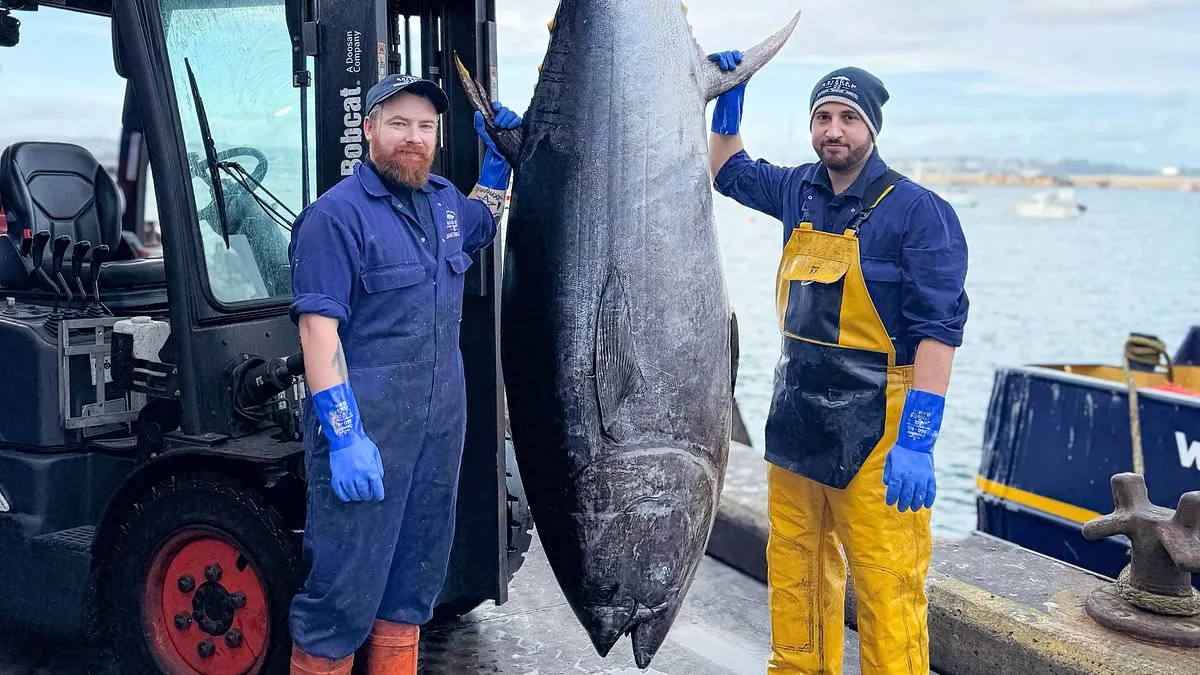
Fishermen have caught a record-breaking 9-foot bluefin tuna weighing 621 pounds off the coast of Brixham, Devon, which has broken the national record for the area. The achievement is significant as it reflects the return of bluefin tuna populations to British waters, where they had been absent for decades, now establishing a thriving commercial fishery.
The specimen is approximately 160 pounds heavier than the previous Brixham record and is substantial enough to yield around 500 premium portions. The fish was sold at auction to Flying Fish Seafoods, which supplies Michelin-starred restaurants across the country where bluefin tuna typically commands prices of £20 to £45 per plate. British waters have experienced a notable surge in bluefin tuna numbers over the past decade, with over 200 fish landed at Brixham this year alone, with the Department for Environment, Food and Rural Affairs issuing licences to just 30 commercial vessels.
In short
- Record 621lb bluefin tuna caught off Brixham, Devon
- Represents return of species to British waters after 60-year absence
- Over 200 fish landed this year as fishery becomes commercially significant
Steelman: both sides, in good faith
The strongest fair case each way — we don't pick a winner.
The case for
The recovery of bluefin tuna to British waters after decades of absence represents genuine conservation success, and a carefully regulated commercial fishery demonstrates this recovery is sustainable. The government's licensing framework—permitting only 30 commercial vessels despite over 200 fish landed annually—shows responsible management that allows economic benefit to fishing communities whilst maintaining population growth. The thriving population provides clear evidence that measured harvesting is compatible with ongoing ecological recovery.
The case against
Bluefin tuna populations are still in early recovery after severe historical decline, and launching commercial exploitation immediately risks undermining years of conservation gains. Even with regulation, 200 fish annually represents significant pressure on a population that has only recently returned to British waters, and the cautious approach would be to prioritise ecological resilience by limiting harvests further, allowing stocks to establish more robustly before expanding commercial operations. Long-term fishery sustainability depends on patience and restraint in the recovery phase.
Explained simply
Bluefin tuna are large, fast-swimming fish highly prized by commercial fisheries and fine dining restaurants for their premium meat. They typically command high prices because of their scarcity and quality.
Bluefin tuna had been absent from British waters for decades, but populations have been returning to UK coastal areas in recent years. Brixham in Devon has become an important centre for their commercial catch as numbers have increased.
The return of bluefin tuna to British waters represents a significant change in marine ecosystems and has created new economic opportunities for fishing communities. The Department for Environment, Food and Rural Affairs manages the fishery through a licensing system to ensure sustainable catches.
Americas Entertainment Horror UK World
Read the full article at the source →
Originally published by Daily Mail as “Monster 9ft-long and 621lb bluefin tuna is caught by fishermen in British waters”.