Science news and discussion on TalkFuse.
‘Special surprise’ as rare moth found in nature reserve for first time
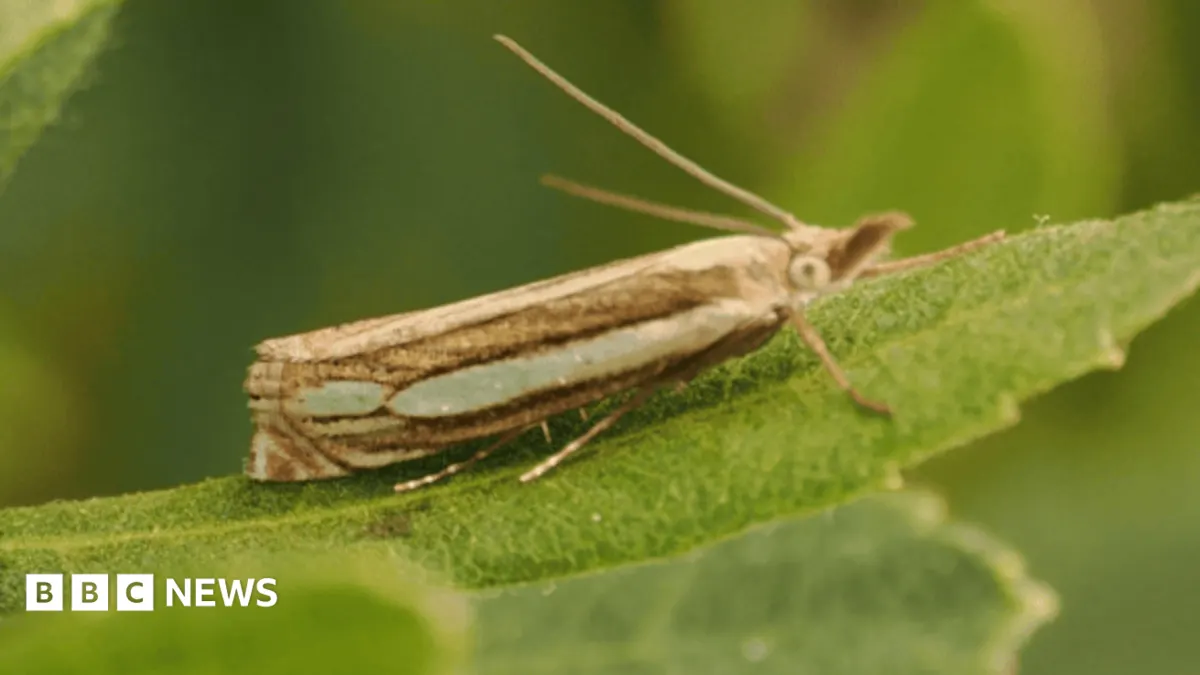
Conservationists found the rare Bog Grass Moth at Cors Geirch National Nature Reserve on the Llŷn Peninsula, the first record of the species in that area. Experts described the discovery as a “special surprise” and said it adds to knowledge of the region’s insects, showing that targeted surveys of fen habitats can reveal species not previously recorded there.
In one night, moth traps collected 446 moths from 91 species, including 19 Bog Grass Moths. The moth’s larvae feed only on wet sedges, which grow in the reserve’s fen habitat; other uncommon insects recorded included the Six Spotted Crane Fly and Black Nightrunner Ground Beetle. Conservationists said about 80% of UK peatlands have been lost or damaged, threatening species that depend on these habitats, while healthy peat stores carbon.
In short
- 19 rare Bog Grass Moths were found at Cors Geirch.
- It was the species’ first recorded appearance in the area.
- Fen and peatland conservation can help protect specialised wildlife.
Explained simply
The Bog Grass Moth is a rare insect species that had never been recorded at Cors Geirch National Nature Reserve on the Llŷn Peninsula until recently. Conservationists conducting a night-time survey caught nineteen of the moths, along with hundreds of other insects, revealing that the reserve's wetlands are home to more wildlife than previously known.
This particular moth's caterpillars feed exclusively on wet sedges, the plants that grow in peatland habitats—areas of wet, boggy ground. Since most peatlands across Britain have been destroyed or severely damaged over recent decades, species that depend on them, like this moth, face increasing threats to their survival.
Peatlands matter beyond just their wildlife, as they also play a role in tackling climate change by storing carbon in the ground. Finding rare species thriving in protected areas demonstrates that careful conservation work can help safeguard these vulnerable habitats.