‘Extreme’ conker championships that allows nut-tampering and anything-goes bouts is cancelled ‘due to health and safety fears’
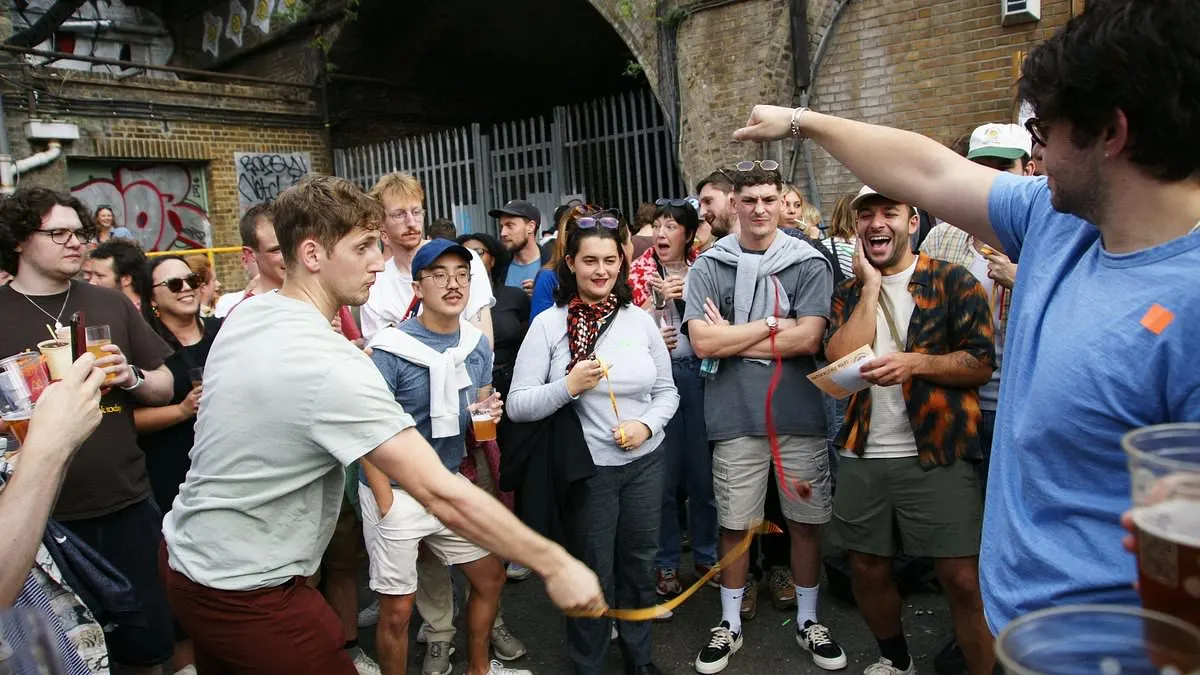
An annual extreme conker championship in Peckham has been cancelled for 2026 after health and safety managers deemed it unsafe for the venue. The event, which started as a casual pub gathering nine years ago, had mushroomed into a chaotic spectacle attracting nearly 2,000 spectators by its eighth edition last year, with competitors wrestling, nut-tampering and even biting each other. It matters because the cancellation epitomises the tension between grassroots community events and formal safety protocols when unexpected growth overwhelms the original infrastructure.
External event managers hired by Brick Brewery Taproom insisted on additional safety measures for this year's championship, which would have fundamentally altered the "anything-goes" format that made the event distinctive. Rather than dilute the "Battle Royale" ethos by introducing formal rules, organisers decided to take a fallow year in 2026 and return in 2027 to mark the ten-year anniversary. They hope to find a venue capable of accommodating the growing crowds whilst preserving the unstructured, chaotic spirit central to the championship's identity.
- Peckham conker championship cancelled due to health and safety concerns.
- Event grew from casual pub gathering to 2,000-person spectacle in nine years.
- Organisers refused to add rules and instead plan fallow year until 2027.
New here? Start with this
Conkers is a traditional British game in which players strike each other's horse chestnut fruits suspended on strings, with the player whose nut survives the most hits declared the winner. The Peckham championship began informally at a pub nine years ago and has since grown into an annual spectacle drawing nearly 2,000 spectators.
This championship operates under an "anything-goes" format that departs sharply from traditional conkers, permitting competitors to tamper with their nuts, wrestle, bite, and generally compete without structured rules. This anarchic approach is central to the event's distinctive character and popular appeal.
The event's explosive growth from a small gathering to a major public spectacle has created tension between its grassroots, informal nature and the safety standards that venues and event managers expect for large crowds. This tension highlights a broader challenge for community events that outgrow their original infrastructure: how to accommodate increased participation whilst preserving the distinctive, unstructured qualities that made them appealing in the first place.