Diesel price tops £2 a litre as UK ‘faces winter crisis’ if Europe bows to Trump demands to release emergency stocks before US mid-terms
Developing story first seen 4 hours ago
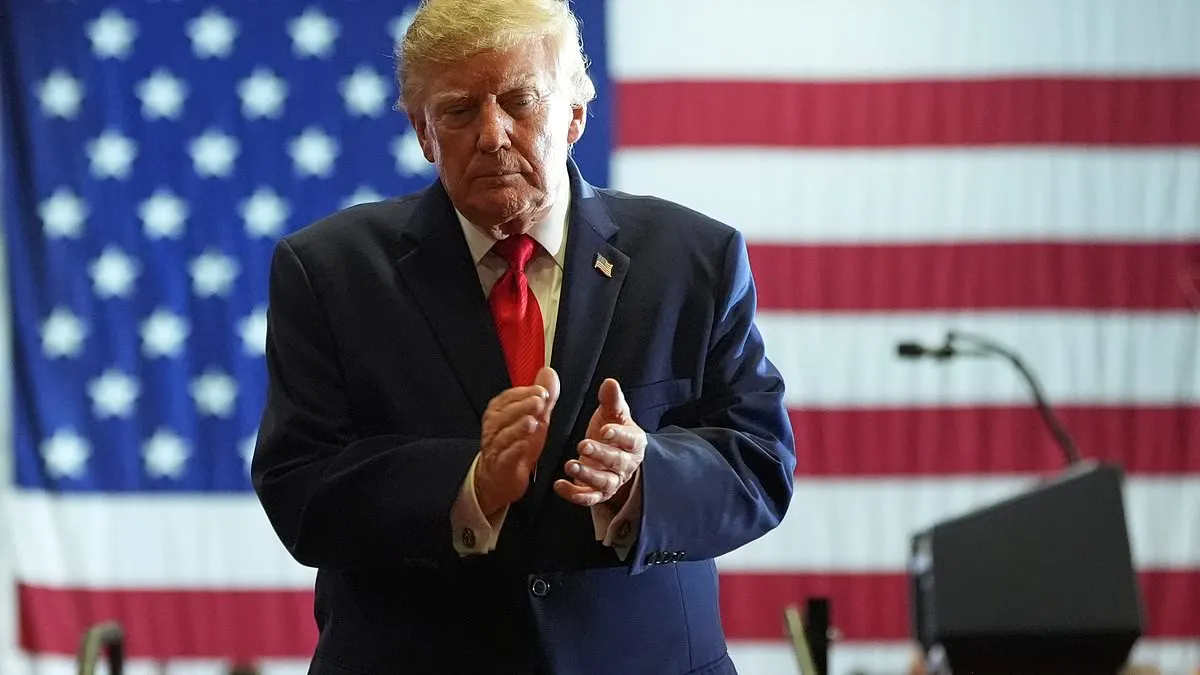
G7 leaders have agreed to release up to 100 million barrels of oil from strategic reserves within four months, after Donald Trump pressed European countries to help lower fuel prices. The agreement coincided with Trump dropping his threat to restrict US diesel exports, easing immediate concern for Britain, which typically gets about a quarter of its diesel supplies from the US.
UK average diesel prices nevertheless reached a record 200.01p a litre, according to the RAC, making it about £110 to fill an average family car. The US had reportedly sought 120 million barrels of diesel from the EU over six months; the agreed release covers oil reserves and will be coordinated by the International Energy Agency. France said G7 countries also ruled out restrictions on energy and petroleum trade between partners, though there are concerns that drawing down reserves could leave Europe less prepared for later supply shocks.
- G7 countries agreed to release up to 100 million barrels within four months.
- Trump dropped his threat to restrict US diesel exports.
- UK diesel reached a record 200.01p a litre.
New here? Start with this
Diesel prices in the UK have reached record levels at approximately £2 per litre. Rising fuel costs significantly affect households, transport companies and businesses that depend on diesel, making energy price increases an important concern for the broader economy.
US President Donald Trump has pressured G7 nations to release emergency fuel reserves from their strategic stockpiles ahead of November's American mid-term elections. He initially threatened to restrict US diesel exports but withdrew this threat after European countries agreed to access their reserves, with France committing to release up to 100 million barrels over the coming months.
The UK holds a relatively modest strategic reserve of diesel, equivalent to approximately 40 days' supply compared to over 200 days in some other nations. This leaves the UK more vulnerable to sudden supply disruptions caused by Middle East instability and damage to oil infrastructure. The release of existing reserves also raises questions about whether Europe will retain sufficient stocks to handle future energy crises.
Both sides, in good faith
The strongest fair case each way — we don't pick a winner.
The case for
Strategic petroleum reserves were established precisely to address situations where fuel prices threaten economic stability and household budgets. Families facing £110 to fill a car face genuine hardship; businesses dependent on diesel suffer real costs. The International Energy Agency coordination and four-month timeline suggest measured, professional deployment of existing tools rather than panic selling. Moreover, the agreement protects energy trade between G7 partners, strengthening long-term Western energy security alongside immediate relief.
The case against
Strategic reserves exist to buffer against genuine supply emergencies—wars, blockades, natural disasters—not to manage ordinary price movements driven by political cycles. Using public emergency reserves to lower prices before American elections sets a troubling precedent that politicises what should remain a true emergency tool. These reserves take years to rebuild; drawing them down preemptively risks leaving Europe dangerously unprepared if genuine supply shocks emerge later this winter. Strategic security and price management serve fundamentally different purposes; conflating them undermines the reserve system's core function.
Full account
The price of diesel fuel in Britain has climbed to an unprecedented level of 200.01 pence per litre, marking a significant threshold in the cost-of-living crisis. Energy analysts have warned that such elevated prices risk cascading through supply chains, with potential consequences for food costs and transport-dependent industries across the UK economy.
The dramatic increase prompted direct intervention from the United States administration, which leveraged threats of export restrictions to pressure European nations into tapping strategic petroleum reserves. This confrontational approach occurred in proximity to significant electoral contests and reflected frustration with allied governments' perceived reluctance to deploy stockpiles at the scale deemed necessary.
Emergency talks through the Group of Seven resulted in an agreement whereby member states committed to releasing up to 100 million barrels from strategic stocks over a four-month period, with implementation coordinated by the International Energy Agency. France's leadership confirmed the agreement included reciprocal commitments against energy trade barriers, effectively eliminating the prospect of competitive export restrictions between allies.
Nonetheless, energy strategists have raised concerns that drawing down reserves during current circumstances could diminish collective capacity to respond to potential future supply disruptions, particularly given existing vulnerabilities affecting critical shipping lanes and production-dependent regions.
The underlying source of market turbulence stems from military confrontation involving Iran, which has disrupted global energy supplies and shipping corridors. American fuel prices similarly reached record levels during the same period, demonstrating that the shortage reflects worldwide supply strain rather than isolated geographical factors.
The three source outlets emphasised markedly different aspects of the story: one prioritised UK government responses and domestic fuel pricing milestones; another foregrounded threats of American export restrictions as the primary driver of European capitulation; the third concentrated on American domestic political dimensions and Republican sentiment regarding military involvement with Iran.
Where outlets differ
Characterisation of negotiations: one outlet emphasises Trump's coercive pressure and threatened ban, another frames the outcome as successful dealmaking, whilst the third focuses on European crisis management and the G7 agreement itself.
Geographic emphasis: the American-focused source provides extensive domestic context including national average fuel prices and Republican pressure to resolve the conflict; UK-based sources concentrate on European and British implications.
Government representation: one outlet uniquely details UK government participation in G7 talks and ministerial reassurances; other sources provide minimal coverage of national government responses.
Iran conflict context: the American outlet explicitly details Strait of Hormuz disruptions and Iranian actions; UK sources treat the underlying conflict more peripherally.
More coverage
- The Independent — Europe to release ‘massive amount of diesel’ after Trump’s supply threat
- Daily Mail — Trump scores release of 'massive amount' of Europe's oil in scramble to bring down gas prices ahead of the midterms