Rail leasing bosses earned £3.5m as firms paid £400m in dividends
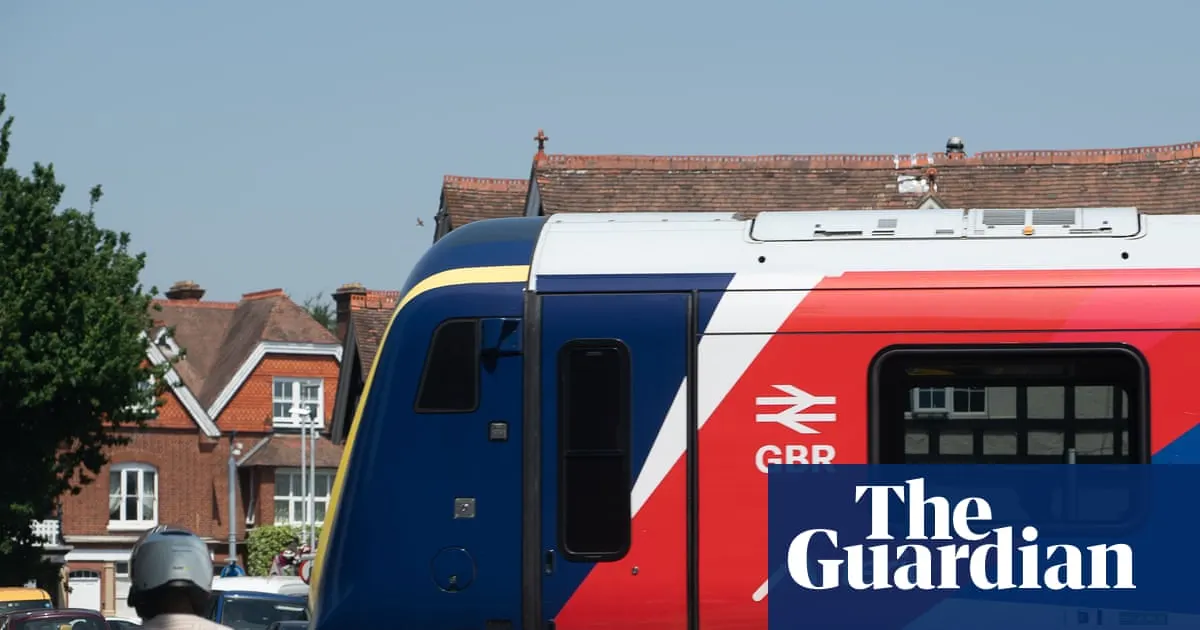
The chief executives of three private companies that lease trains to Britain's railways received a combined £3.5m in salary last year, whilst their companies distributed nearly £400m to shareholders in dividends. This has drawn criticism from rail unions who argue that these rolling stock companies are prioritising shareholder profits over the interests of passengers, particularly given the ongoing cost of living crisis.
The three companies (Porterbrook Holdings, Eversholt Rail, and Angel Trains) paid their chief executives £1.44m, £1.33m, and £700,000 respectively. Over the past decade, the three largest rolling stock companies have paid out £2.4bn in dividends whilst railway operators spent over £4bn annually on train leases. The government is now considering a shift towards public ownership of trains through Great British Railways rather than continuing the private leasing model.
- Train-leasing companies paid bosses £3.5m whilst distributing £400m to shareholders.
- Government exploring direct public ownership of trains as alternative to private leases.
- Rail unions call for levy on train company profits to cut fares.
New here? Start with this
Britain's railways rely on private companies that own trains and lease them to train operators. The three largest such companies—Porterbrook Holdings, Eversholt Rail, and Angel Trains—own a substantial portion of the trains on Britain's railways and charge operators significant leasing fees for their use.
These leasing fees form a significant part of train operators' running costs, which ultimately affects the ticket prices and service quality that passengers experience. The companies have paid large sums to shareholders in dividends whilst their executives have received substantial salaries. Rail unions and other critics argue this model prioritises shareholder returns over investment in services and passenger experience.
The arrangement sits within a broader debate about whether essential services should be publicly or privately operated. The government is currently examining whether to shift towards public ownership of trains through Great British Railways rather than continuing the current private leasing model.
Both sides, in good faith
The strongest fair case each way — we don't pick a winner.
The case for
Advocates of the private leasing model contend that competitive markets require substantial executive compensation to attract and retain top talent, whilst shareholders deserve legitimate returns on their invested capital and commercial risk. They argue there is no evidence that lower salaries or reduced dividends would directly improve passenger fares or service quality, and maintain that such concerns are properly matters for government procurement policy; moreover, private sector competition often drives operational efficiency that ultimately benefits users.
The case against
Critics maintain that essential public infrastructure should prioritise public service over private profit extraction, particularly when passengers face genuine hardship during cost of living crises. They argue that the £2.4bn in dividends distributed over a decade represents capital not reinvested in service improvements or cost reductions, and that public ownership would align operational incentives with passenger interests rather than shareholder returns, ensuring democratic accountability instead of accountability to distant investors.
Read the full article at the source →
Originally published by The Guardian as “Bosses of three firms that supply trains to UK railways made £3.5m last year”.