James Graham play revisits Keynes’s life and enduring economic ideas
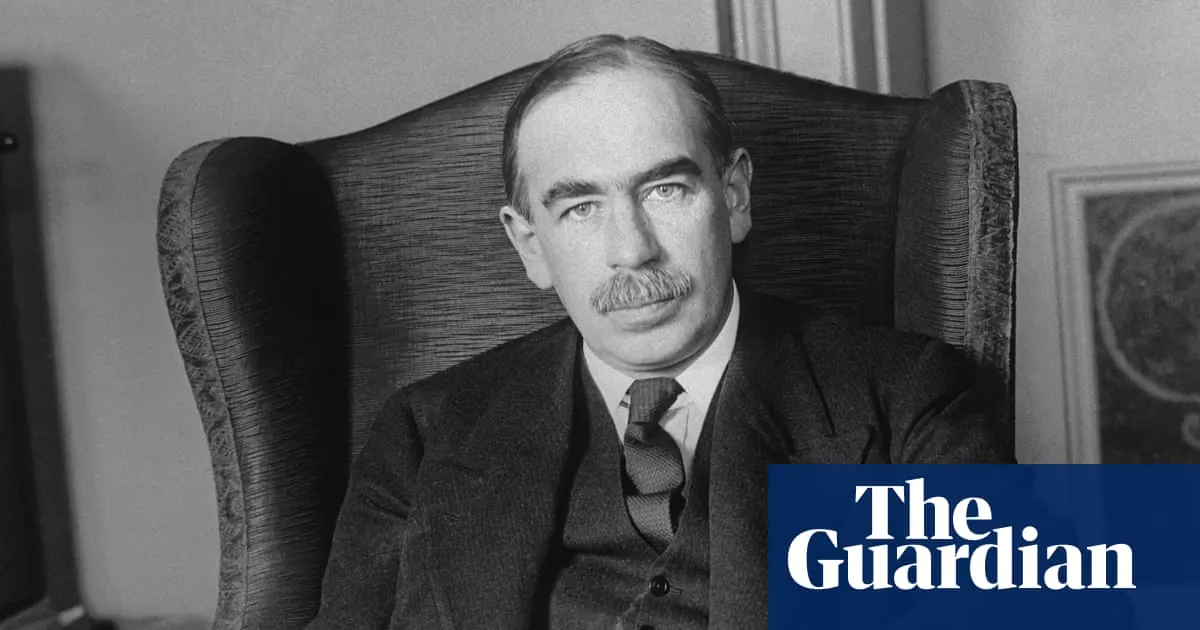
A new play by James Graham examines the life and ideas of John Maynard Keynes, the influential 20th-century economist. The production explores how Keynes, who was much more than a number cruncher, shaped economic thinking through his belief that prosperity should enable leisure and living well, rather than mere wealth accumulation. His willingness to challenge economic orthodoxy made him a transformative figure whose ideas remain relevant in times of crisis.
The play dramatises Keynes's remarkable life, from his privileged Bloomsbury Group circles with Virginia Woolf and other artists to his conviction that state intervention could address unemployment and economic dysfunction. A central theme is the ideological battle with Austrian economist Friedrich Hayek, who believed free markets naturally resolved crises, whilst Keynes argued the economy had no natural tendency towards full employment and that high unemployment could persist indefinitely without intervention. The story of Keynes purchasing Impressionist art during World War I, despite advancing German armies, illustrates his determination to preserve culture and beauty even in times of conflict.
- Keynes believed economic growth should enable leisure, not just wealth accumulation.
- New play explores his ideological battle with free-market economist Hayek.
- Cultural icon who bought Impressionist art while German armies advanced in 1918.
New here? Start with this
A new stage production examines the life and ideas of John Maynard Keynes, one of the most influential economists of the twentieth century. The play presents Keynes not simply as a theorist of economics but as a complete person, exploring his belief that prosperity should enable leisure and quality of life rather than serving only to accumulate wealth.
Keynes argued that governments could and should actively intervene in the economy to address unemployment and recessions, a position that challenged the economic orthodoxy of his era. His thinking became especially influential during economic crises when traditional approaches seemed exhausted, and policymakers continue to draw on his ideas during difficult economic times today. Central to his philosophy was the conviction that a properly functioning economy should enable human flourishing, not exist merely as a machine for wealth creation.
Beyond his work in economics, Keynes moved in cultured circles that included writers and artists such as Virginia Woolf, and he was a passionate collector of Impressionist paintings. During the First World War, even as German armies advanced, he continued to seek out and acquire artworks, revealing his conviction that preserving culture and beauty was as vital as managing the economy. These details show that his economic ideas were grounded in wider views about human wellbeing and what matters in society.
Art Business Culture Europe Government Politics World
Read the full article at the source →
Originally published by The Guardian as “John Maynard Keynes: the cultured economist who governments turn to in a crisis”.