Intensified Russian strikes are tearing Kyiv apart, warns mayor
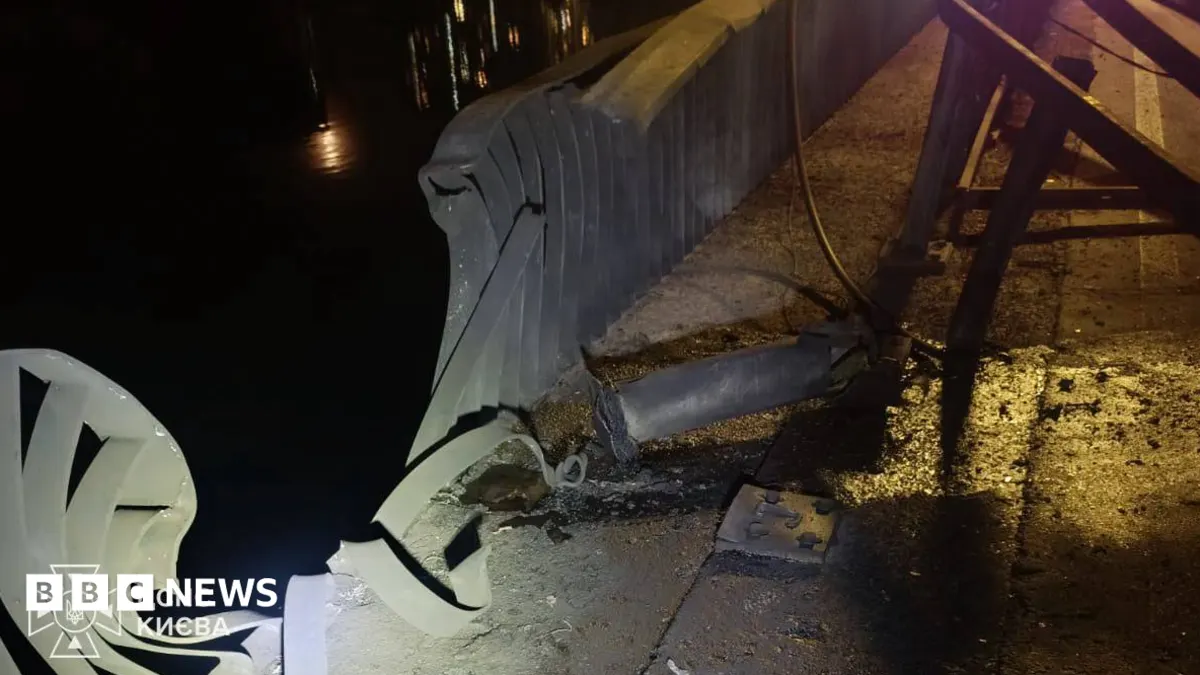
Kyiv Mayor Vitaliy Klitschko says intensified Russian drone and missile strikes are tearing the capital apart, leaving it in a “very dramatic situation”. He warned that Russia is targeting critical infrastructure and ordinary life, and said the city would need residents to work together to withstand the attacks.
The Pivdennyi bridge across the Dnipro was hit four times in two days, prompting the suspension of metro and vehicle traffic there and causing major delays; restrictions also affect Kyiv’s two other main bridges. Data centre strikes have caused internet outages, and one person was killed when a residential building was hit overnight. Kyiv has an estimated population of three million. Russian President Vladimir Putin says the attacks respond to Ukraine’s strikes on Russian oil facilities, while Ukraine says those facilities help fund the war.
- Russian strikes are disrupting transport and infrastructure across Kyiv.
- Traffic is suspended on the Pivdennyi bridge after repeated hits.
- One person was killed in an overnight strike on a residential building.
New here? Start with this
Russia invaded Ukraine in February 2022, and the two countries have been at war since. Kyiv, Ukraine's capital, has become a key military target for Russian forces seeking to disrupt the country's defence.
Throughout the war, Russia has used air strikes against Ukrainian cities to damage infrastructure and disrupt daily life. Recent attacks have targeted vital Kyiv infrastructure, including bridges across the Dnipro river and data centres that provide internet connectivity.
Kyiv is home to around three million people whose daily lives and safety are directly affected by damage to essential services. The intensity of these attacks underscores the ongoing threat posed by the conflict to Ukrainian civilians and critical infrastructure.
Both sides, in good faith
The strongest fair case each way — we don't pick a winner.
The case for
Russia's justification rests on the principle of proportionate military response. Ukraine has struck Russian energy facilities and infrastructure supporting Russia's military efforts, and Russia argues it has the right to respond in kind. From this perspective, targeting Kyiv's critical infrastructure—bridges, electrical systems, data centres—constitutes legitimate military action aimed at degrading Ukraine's war-making capacity, which is a recognised principle of warfare. Russia maintains that these strikes, whilst causing disruption, differ from indiscriminate attacks and reflect an attempt to strike military-relevant targets within the established rules of armed conflict.
The case against
International humanitarian law establishes that civilian areas and civilian infrastructure must be protected even in warfare, and that attacking them must serve a clear military purpose without causing civilian harm disproportionate to that purpose. Ukraine contends that targeting a capital city's critical infrastructure, which affects ordinary citizens' access to water, heat, internet, and transport, constitutes excessive collective punishment rather than precision strikes on genuine military targets. The civilian casualties and suffering caused by these strikes cannot be justified by retaliation or as necessary military action. Ukraine argues that Russia's claimed justification does not override fundamental humanitarian protections and constitutes violations of international law regardless of provocation.