Global Diesel Crisis: G7 Releases Strategic Reserves as Prices Hit Records
Developed over time first seen 35 minutes ago
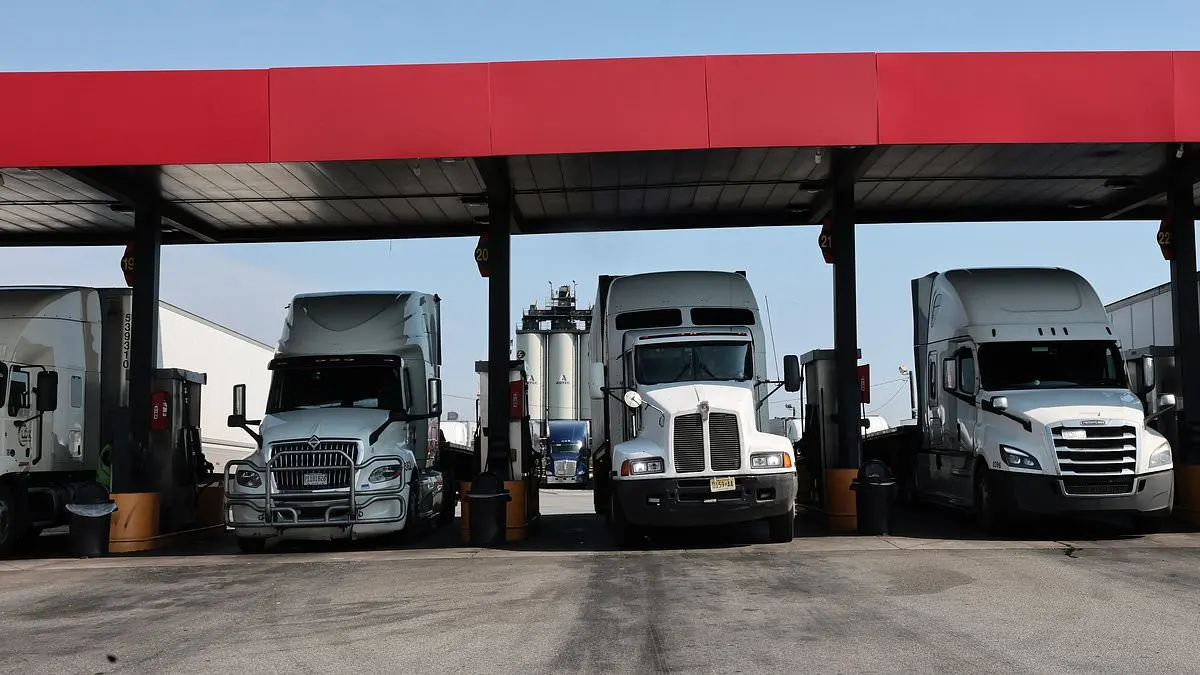
Diesel prices are reaching record levels internationally, creating economic strain across multiple sectors. In the United States, independent trucking operators face squeezed profit margins as fuel costs consume larger portions of their operating budgets, threatening some businesses with closure. Similar pressures are affecting the United Kingdom, where pump prices have surpassed £2 per litre, raising concerns about an energy crisis during the approaching winter months. The price increases have been linked to geopolitical tensions, particularly regional conflicts affecting global oil supply.
In response to the fuel crisis, Group of Seven leaders have committed to releasing up to 100 million barrels from their strategic petroleum reserves within a four-month timeframe. This coordinated action followed pressure from United States leadership to prevent further price escalation. A key development emerged when the American administration dropped threats of restricting diesel exports, which had previously raised concerns for allied nations dependent on US fuel supplies. The reserve releases represent an attempt to stabilise global energy markets and ease economic pressure on consumers and businesses.
- Diesel prices hit record highs globally, straining truckers and consumers amid geopolitical tensions
- G7 nations commit to releasing 100 million barrels of strategic oil reserves over four months
- US eases export restrictions as coordinated action aims to stabilise energy markets
New here? Start with this
Diesel prices have reached record levels worldwide, driven primarily by geopolitical tensions and regional conflicts that have disrupted global oil supplies. This energy shock is creating widespread economic pressure across multiple sectors, from transport to heating as winter approaches. The shortage reflects a significant imbalance between fuel demand and available supply in international markets.
Independent trucking operators face particularly severe pressure, with fuel costs consuming larger portions of their budgets and threatening some businesses with closure. In the United Kingdom, pump prices have surpassed £2 per litre, raising concerns about energy security and household heating costs during the winter months. The crisis has ripple effects across economies that depend on affordable diesel for commerce and essential services.
The Group of Seven nations has responded by committing to release up to 100 million barrels from their strategic petroleum reserves over four months. This coordinated action, following pressure from United States leadership, aims to stabilise global markets and ease economic strain on consumers and businesses. The American administration has also dropped previous threats of restricting diesel exports, signalling a shift towards international cooperation in addressing the fuel shortage.
Both sides, in good faith
The strongest fair case each way — we don't pick a winner.
The case for
Diesel shortages pose a genuine economic emergency threatening business viability and winter energy security across allied nations. Strategic reserves exist precisely to address such crises, and releasing them provides immediate relief whilst supplies normalise following geopolitical disruptions. Once markets stabilise, reserves can be replenished, making this a prudent short-term intervention to prevent cascading economic damage and maintain social stability.
The case against
Strategic reserves should remain protected for genuine national security emergencies rather than price management, as release may mask market signals that encourage conservation and alternative energy investment. Depleting reserves leaves nations vulnerable should geopolitical tensions escalate further, and this policy risks establishing precedent for using reserves as economic policy tools rather than security buffers. Addressing root causes through energy investment and long-term security partnerships offers more sustainable solutions than temporary market intervention.
Coverage
- Daily Mail — Iran war drives diesel costs higher, squeezing US independent truckers’ margins
- Daily Mail — Diesel price tops £2 a litre as UK ‘faces winter crisis’ if Europe bows to Trump demands to release emergency stocks before US mid-terms
Americas Business Europe Government Markets Middle East Politics Space Technology UK World