South African group urges men to challenge masculinity and prevent violence against women
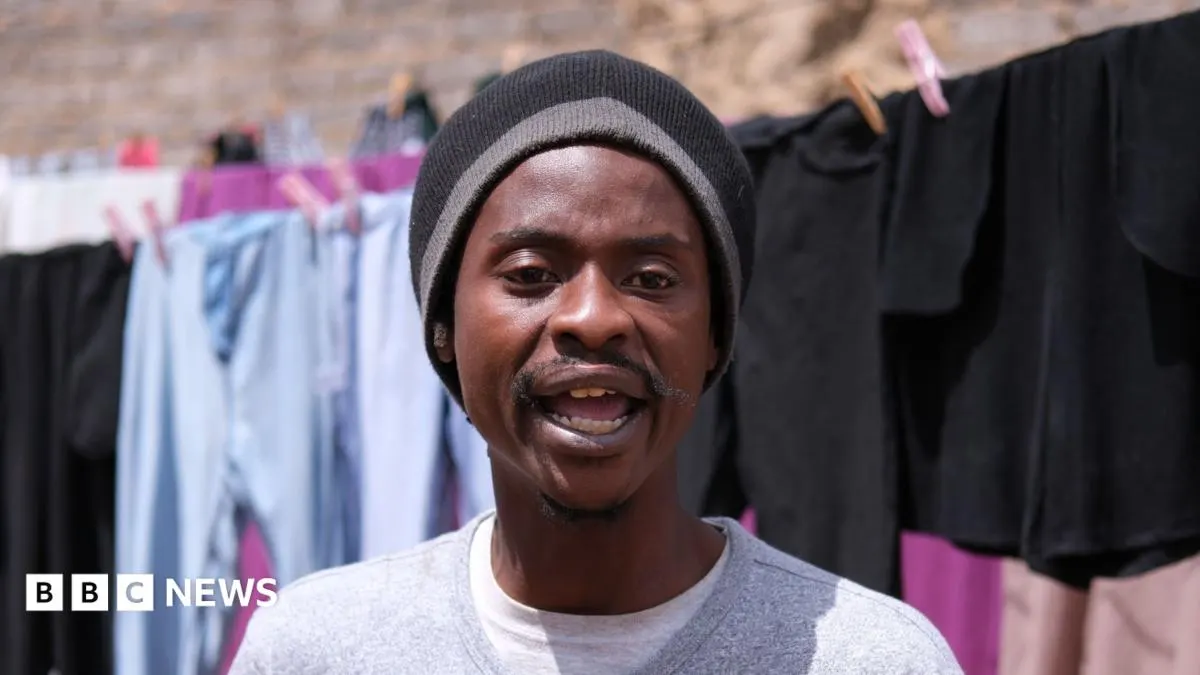
Father A Nation is encouraging men and boys in a Johannesburg informal settlement to challenge harmful ideas about masculinity and help prevent violence against women. Its meetings come amid renewed public concern after 12 women’s bodies were found in Ekurhuleni over three months, and South Africa’s president acknowledged that the government had not done enough to protect women.
The group creates space for men to discuss their behaviour and feelings, then offers training in positive masculinity through programmes across South Africa, including in schools and colleges. From April to June, 569 women were killed and 1,052 survived attempted murder, according to the South African Human Rights Commission; a 2022 study found more than 35% of women had experienced physical or sexual violence. Organisers say prevention requires men to take responsibility before further harm occurs, while criticising recent government measures as too late.
- A men’s group is promoting positive masculinity to prevent abuse.
- 569 women were killed in South Africa from April to June.
- Organisers say men must take responsibility and act earlier.
New here? Start with this
South Africa faces a significant problem with violence against women. Between April and June alone, 569 women were killed and more than 1,000 others survived attempted murder; a 2022 study found that more than a third of South African women had experienced physical or sexual violence. The issue has drawn renewed public attention following the discovery of twelve women's bodies in Ekurhuleni over a three-month period.
Father A Nation is an organisation that works to prevent violence against women by promoting "positive masculinity" among men and boys. Operating across informal settlements, schools and colleges in South Africa, the group creates spaces where men can discuss their behaviour and feelings before offering training aimed at changing attitudes and challenging harmful ideas about manhood. The underlying premise is that preventing violence requires men to take active responsibility.
The timing of such initiatives reflects wider acknowledgment of the problem at the highest level. South Africa's president has publicly recognised that the government has not done enough to protect women. Organisers of male engagement programmes argue that existing government measures have come too late and that cultural change must begin at a deeper level.
Both sides, in good faith
The strongest fair case each way — we don't pick a winner.
The case for
The statistics reveal a crisis requiring urgent, multi-pronged action. Changing attitudes about masculinity, especially among young men, addresses root causes and can break cycles of violence across generations. Community programmes create accountability and reflection; men who internalise that violence is unacceptable and that masculine identity need not depend on dominance become less likely perpetrators and can influence their peers.
The case against
Whilst cultural change is ultimately desirable, South Africa's immediate crisis demands strengthening enforcement and justice responses. Programmes addressing 'masculinity' lack robust evidence of violence prevention at scale, and limited resources should prioritise rapid prosecution, victim protection, and police reform—the concrete measures that deter perpetrators through certainty of consequence. Without functioning justice systems to hold perpetrators accountable, cultural messaging alone cannot protect women facing imminent danger.
Africa Art Culture Research Science World
Read the full article at the source →
Originally published by BBC World as “The South African men trying to end violence against women: ‘Every man needs to play a part’”.