Devon volunteers map River Dart sewage spills in real time
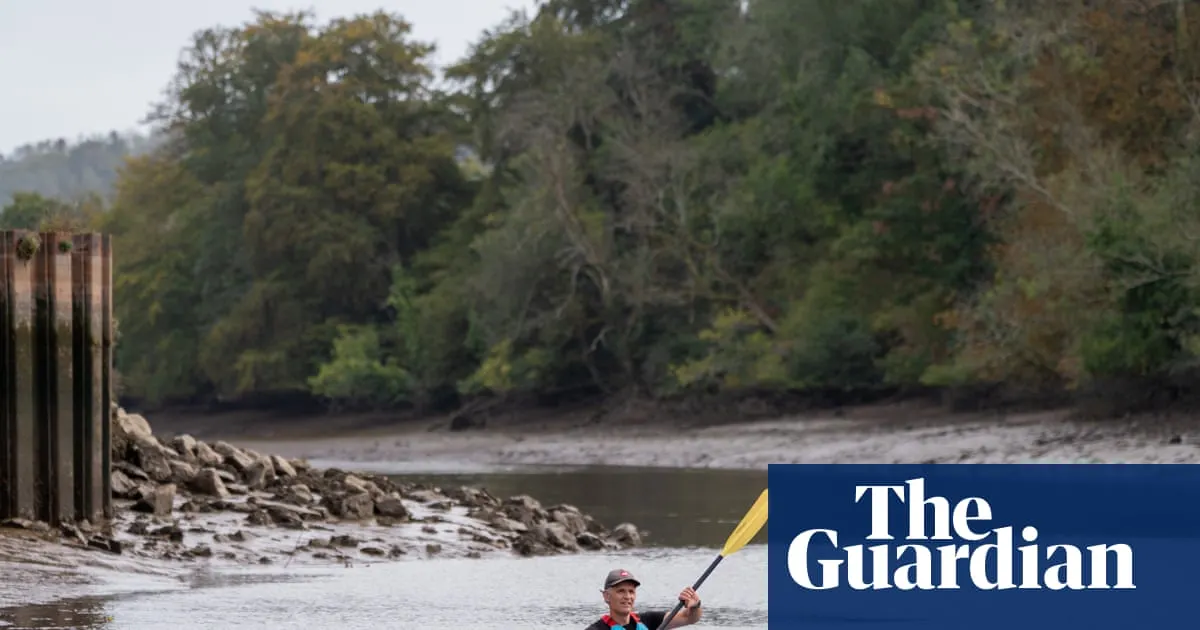
Citizens in Devon have created an online platform called River Hub to track sewage spills in the River Dart in real time, highlighting repeatedly polluted spots and showing where improvements are planned or absent. The initiative by Friends of the Dart (FOD) fills a gap the organisation believes should be filled by water companies and the Environment Agency, channelling public anger into constructive information-sharing. The launch comes as South West Water faces an almost £800m fine for sewage spills and as debate intensifies over water company privatisation.
The River Hub pulls together granular data on individual overflow incidents, including "dry spills" (discharges when there was little or no rain), and analyses why problems persist, such as whether sewage treatment works have adequate capacity. Much of the data is publicly available but scattered; FOD obtained some through freedom of information requests. The platform is being offered free to other community groups wanting to monitor their local rivers. Residents report serious health issues from swimming in the Dart, including E coli infections, with some hospitalised.
- Devon environmentalists launch real-time sewage tracking platform for River Dart
- South West Water fined £800m for spills as water privatisation debate grows
- Citizens filling crucial information gap water companies should address
New here? Start with this
The River Dart in Devon has become repeatedly contaminated with sewage. When heavy rain overloads water systems, companies are legally permitted to discharge sewage directly into rivers to prevent their facilities from flooding. Residents have reported serious health problems from swimming in the river, including bacterial infections that have hospitalised some people.
South West Water operates the water and sewage system serving the Dart region. The company and environmental regulators like the Environment Agency are supposed to monitor spills and protect river quality. There is significant criticism that these organisations have not been transparent about when and where spills happen, or aggressive enough in preventing them.
River pollution from sewage has become a major issue across England in recent years. Debate has intensified about whether water companies are investing adequately in their systems and whether they are being held properly accountable for failures. South West Water is currently facing a fine of nearly £800m for past sewage spills, among the largest penalties ever imposed on a water company.
Both sides, in good faith
The strongest fair case each way — we don't pick a winner.
The case for
Citizens stepping in to create River Hub represents a necessary response to demonstrable institutional failure. Residents are being hospitalised with E coli infections from sewage-contaminated water, spills persist despite regulatory oversight, and crucial data remains scattered or hidden behind freedom of information requests. When the institutions responsible for water quality aren't providing transparent, real-time monitoring that prioritises public health, citizen-led accountability becomes essential.
The case against
The regulatory system, whilst imperfect, already enforces accountability—the £800m fine proves consequences exist for wrongdoing. Citizen initiatives, however well-intentioned, risk circulating unverified data without professional expertise to contextualise it, potentially creating disproportionate alarm. Real solutions require sustained infrastructure investment and properly resourced regulators, problems that volunteer monitoring cannot address, so resources should focus on strengthening institutions rather than duplicating their functions.
Art Business Culture Elections Environment Politics Science
Read the full article at the source →
Originally published by The Guardian as “‘It’s shocking really’: Devon community tracks River Dart sewage spills”.