Canadian cancer patient says MAiD offer drove her to seek care in Seattle
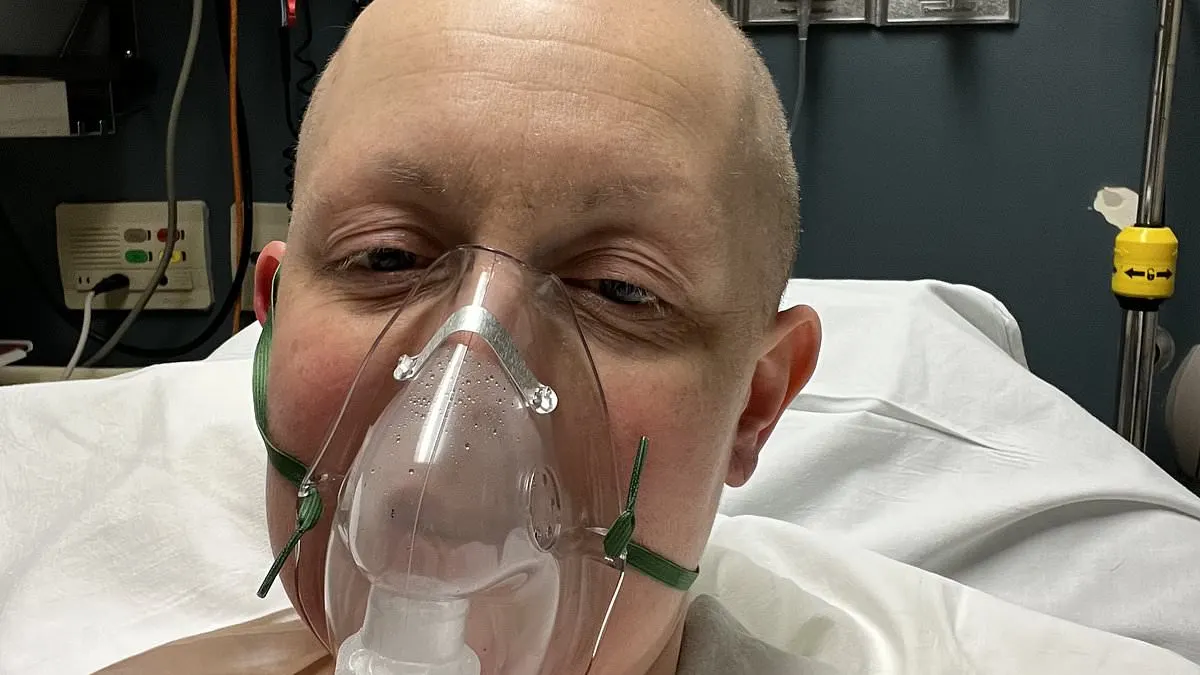
Kristin Logan, a 46-year-old Canadian-American, says she felt pressured towards Canada’s medical assistance in dying programme after being diagnosed with stage-four ovarian cancer in 2023. Before she had seen an oncologist to discuss treatment, she received information about MAiD; she says this reinforced a sense that the health system expected her to die. Her account has renewed debate over whether assisted dying can become a substitute for adequate treatment and support.
Seriously ill and too weak to walk, Logan left British Columbia by ferry and travelled to Seattle, where she received cancer care through the US Veterans Affairs system. She says American clinicians focused on trying available treatments, and she remains alive three years after her diagnosis. Canada legalised MAiD in 2016 and expanded eligibility in 2021 to include some people who are not terminally ill but have an incurable condition or disability; critics have raised concerns about access to care and social support.
- Kristin Logan says MAiD information arrived before she could discuss cancer treatment.
- She left Canada for care in Seattle and is still alive three years later.
- The case adds to debate about assisted dying and access to support.
New here? Start with this
Medical assistance in dying became legal in Canada in 2016, and in 2021 eligibility was expanded to include people with serious incurable conditions and disabilities, not just those approaching death. The programme allows those who meet criteria to receive medical help ending their lives. This expansion has made it available to more people.
Concerns have been raised about whether patients facing serious diagnoses are being offered or presented with information about assisted dying before they have fully explored available treatments. Some have questioned whether healthcare systems are directing people towards MAiD rather than ensuring they first have access to all viable medical options and comprehensive care. This tension has renewed scrutiny of how assisted dying programmes function within broader healthcare systems.
The debate has become more urgent as Canada's expanded eligibility takes effect and as cases highlight potential gaps between what medical treatments are available and what patients are offered. Different perspectives exist on how to balance patient choice and autonomy with ensuring adequate care and support. The issue reflects broader challenges that countries face in developing end-of-life policies.
Both sides, in good faith
The strongest fair case each way — we don't pick a winner.
The case for
Seriously ill patients deserve robust treatment and support before any discussion of assisted dying. This account suggests MAiD information was offered before adequate oncological care was explored, raising legitimate concerns that the programme functions as a substitute for investment in treatment and support systems. When vulnerable patients receive MAiD information early, they may perceive death as the expected path rather than making a free choice. Canada's expansion to non-terminally ill conditions multiplies this risk; the system should ensure treatment, rehabilitation, and genuine alternatives are exhausted before MAiD becomes an option.
The case against
Autonomy and dignity in death matter fundamentally, and people facing incurable illness deserve the choice to end unbearable suffering on their own terms. One patient's decision to pursue treatment elsewhere does not invalidate MAiD for those who genuinely prefer it—reasonable people reach different conclusions about what makes life worth living. Restricting the option assumes people cannot be trusted with their own choices and denies them agency over their deaths. The concern about vulnerable populations is better addressed through robust safeguards, counselling, and social support than by eliminating the option; for many, forced continuation of suffering may be equally coercive.
Read the full article at the source →
Originally published by Daily Mail as “I was pressured into euthanasia after being diagnosed with stage-four cancer by Canadian doctors. This is why I decided to flee the country… and am still alive three years later”.