California will fine robotaxi companies if their vehicles block first responders
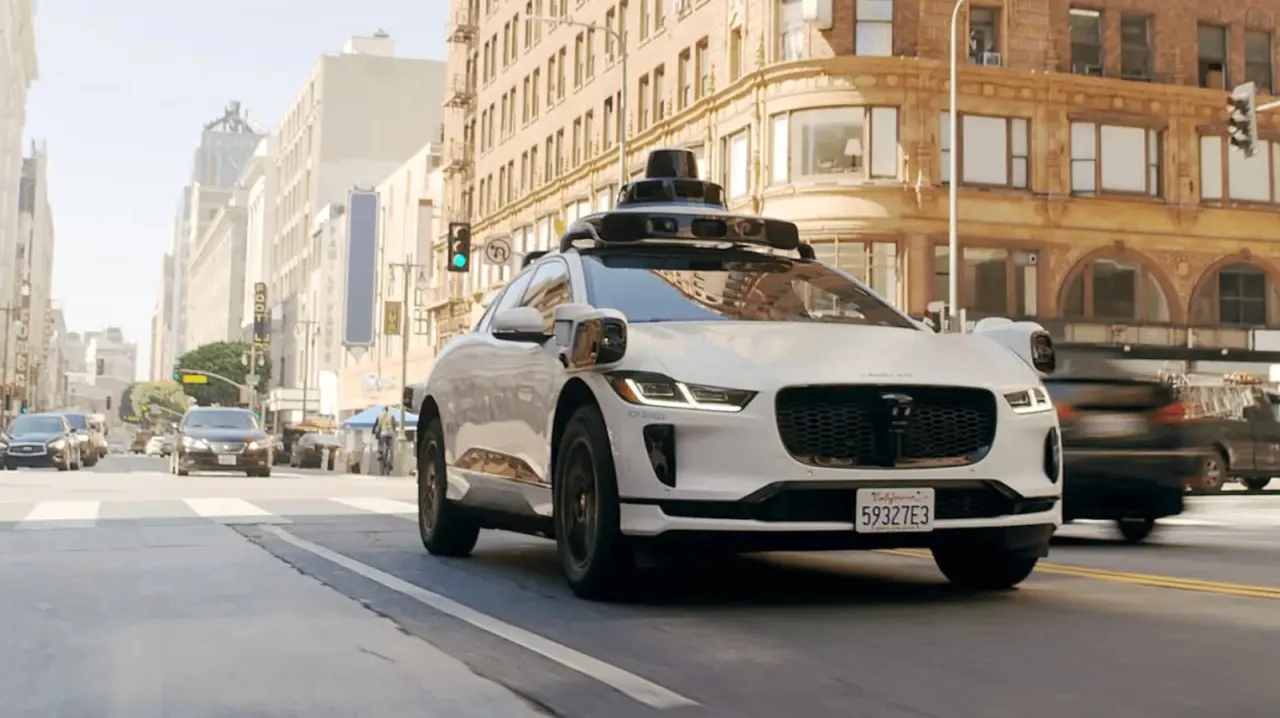
California Governor Gavin Newsom has signed legislation that will penalise robotaxi companies if their autonomous vehicles block emergency services such as ambulances and fire trucks. The move comes after several high-profile incidents in which driverless cars have obstructed first responders, prompting concerns about public safety and emergency response times.
Senate Bill 1246 establishes penalties for vehicles that block first responders for more than 30 minutes during emergencies and requires companies to employ on-site technicians to assist emergency services. Operators must also use US-based remote human drivers holding valid US driving licences, notify local authorities during system-wide failures, and provide enhanced incident reporting. The law takes effect on 1 July 2028, giving companies time to implement the necessary changes.
- California to fine robotaxi firms if vehicles block emergency responders for over 30 minutes.
- Companies must employ on-site technicians and use only US-based remote operators.
- Law takes effect July 2028 following incidents where driverless cars hindered emergency response.
New here? Start with this
Robotaxis are self-driving cars operated as hire services, similar to conventional taxi or ride-sharing apps but without a driver in the vehicle. California has authorised these services in certain cities, but operational issues have occurred where the vehicles have become unable to move out of the way when ambulances, fire trucks or police vehicles needed to pass during emergencies.
The state government has enacted legislation that will impose financial penalties on robotaxi companies if their vehicles block emergency services for more than 30 minutes. The law requires companies to station technicians to assist emergency responders, use human operators based in the United States, and maintain better incident reporting procedures.
The regulations reflect growing concerns about how rapidly expanding self-driving vehicle technology could affect emergency response. As robotaxis become more common, establishing safeguards ensures that emergency vehicles can always reach urgent calls without delay.
Both sides, in good faith
The strongest fair case each way — we don't pick a winner.
The case for
Autonomous vehicles have demonstrably blocked emergency responders in real incidents, threatening public safety and response times when seconds matter. Requiring on-site technicians, US-based remote operators, and penalties for extended obstructions establishes reasonable accountability mechanisms that ensure this technology operates under the same baseline expectations as conventional vehicles. These safeguards are proportionate to the documented problem and necessary to protect lives.
The case against
Prescriptive regulations mandating specific technical solutions—such as US-based remote drivers and on-site technicians—impose substantial operational costs that may render robotaxi deployment economically unviable in California, potentially pushing innovation elsewhere. Market incentives and liability law already create powerful motivation for companies to avoid blocking emergency vehicles; more flexible, outcomes-focused rules could address the genuine safety concern without imposing burdensome compliance measures that risk constraining beneficial autonomous vehicle technology.