Culture news and discussion on TalkFuse.
Omani co-pilot accused of attacking Flydubai captain had raised security concerns
Developed over time first seen 2 months ago
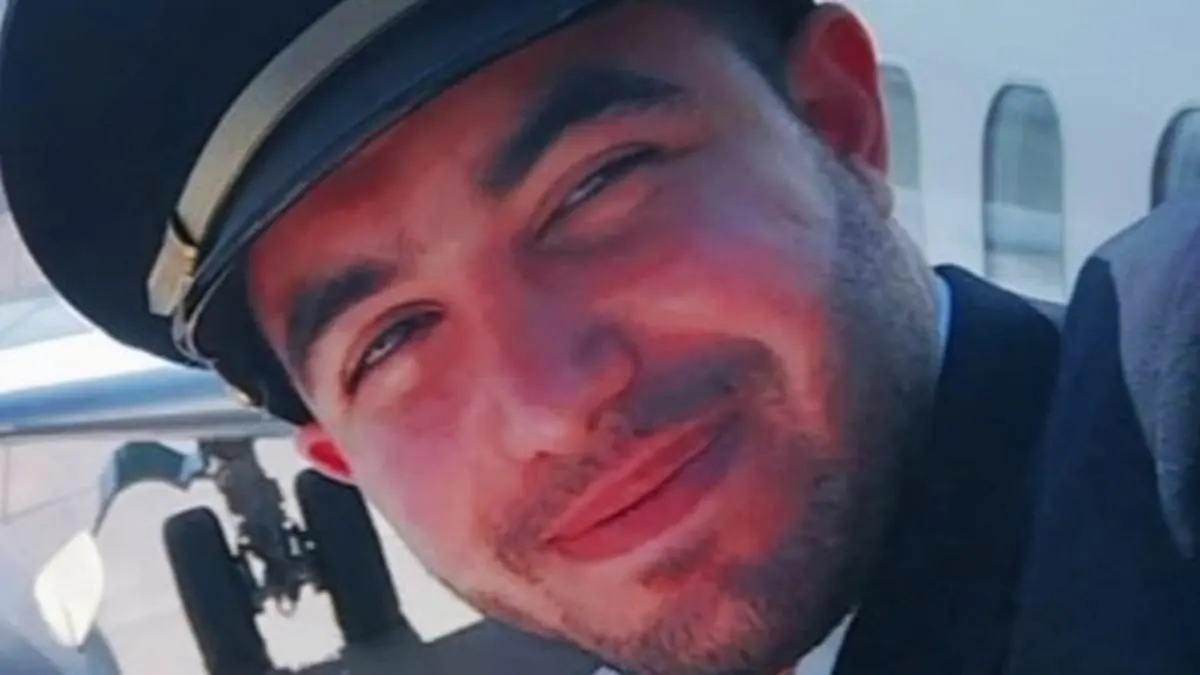
An Omani co-pilot severely wounded the captain of a Flydubai flight to Tel Aviv using an onboard crash axe during an attempted hijacking on Wednesday, causing the aircraft to plummet 14,000 feet in 29 seconds before passengers and crew regained control. The UAE's prosecutor general has called it an attempted terrorist act. The incident raises urgent questions about airline security vetting procedures and how Hamam Al Hammami, 29, passed hiring checks despite prior concerns about his radical influence.
Al Hammami had previously been flagged and removed from flying duties at Oman Air in 2024 after officials determined he may have been influenced by extremist groups during time spent in Syria. He posted Al Qaeda-related content to his LinkedIn profile nine hours after the attack, including cockpit videos showing Israeli planes filmed from Dubai airport in 2023, alongside images of deceased Al Qaeda leaders. Despite working for multiple airlines and undergoing standard security checks before his Flydubai appointment, those checks apparently focused only on criminal convictions and did not examine his background for signs of radicalisation. The UAE is investigating whether he acted as a lone actor or had connections to extremist groups.
- Sources
- 2
- Outlets
- 2
- Left · Centre · Right
- 1 · 0 · 1
In short
- Omani co-pilot attacked Flydubai captain with crash axe in attempted hijacking to Tel Aviv
- He had posted Al Qaeda content and been flagged as radicalised before being hired
- Security checks focused on criminal records, not radicalisation concerns
How this story developed
- 2 months ago Hamam Al Hammami, who studied aviation management at Buckinghamshire New University, is under investigation for possible extremist connections following reports of social media posts from 2023 showing al-Qaeda imagery and Israeli military footage.
- 2 months ago An Omani co-pilot attacked a Flydubai captain with a crash axe during a flight to Tel Aviv, causing the aircraft to descend 14,000 feet in 29 seconds before passengers and crew restrained him.
Full account
An Omani aviation worker launched an assault on the commanding officer of an Israel-bound aircraft midweek, employing a survival implement stored in the cockpit in what authorities characterised as an attempted hijacking with extremist motivations. Hamam Al Hammami, 29, inflicted serious injuries upon captain Smit Machchhar whilst attempting to commandeer the Flydubai service heading to Tel Aviv. Other occupants of the aircraft, including what sources suggest was a British pilot travelling as a passenger, intervened to subdue him. The aircraft shed significant altitude—dropping some 14,000 feet within less than half a minute—before passengers and crew personnel regained control of the vessel. The prosecutor general of the UAE confirmed that investigators regarded the occurrence as an attempted 'terrorist act'.
Intelligence subsequently emerged indicating that Al Hammami had previously worked for Oman Air as a junior pilot before being dismissed from operational duties in 2024. Officials stated that supervisors had harboured reservations about his ideological leanings, allegedly stemming from time spent in Syria. Instead of termination, he was reassigned to administrative responsibilities. The co-pilot, who had completed studies at an institution in Britain, later secured employment with the UAE-based carrier Flydubai, though recruitment records examined subsequently contained no reference to this engagement.
Digital investigation revealed that an account bearing Al Hammami's identity circulated contentious material approximately nine hours following the attempted takeover. Posts displayed recordings apparently captured from aeroplane cockpits, with geolocation indicating Dubai International Airport. Imagery featured Israeli commercial aircraft, including planes belonging to El Al and Arkia, alongside portraits of prominent figures associated with Al Qaeda. A subsequent post showed an artificial rendering of Islam's three holiest cities—Mecca, Medina and Jerusalem—interconnected by luminescent paths, accompanied by a composition invoking themes of dignity and resistance to humiliation. The account was subsequently removed.
The incident has prompted renewed scrutiny into recruitment protocols at Flydubai and security measures enforced by Israeli authorities. Officials revealed that Al Hammami underwent customary security examinations prior to joining the airline, though these inquiries concentrated predominantly on whether he retained any criminal convictions rather than investigating potential indicators of radicalisation. Israel maintains formal arrangements with international carriers stipulating that pilots from nations lacking diplomatic accord should not operate on its routes; Oman and Israel maintain no official diplomatic standing. Investigators from four regional nations, supported by American and allied intelligence services, have been examining his probable motives. Preliminary findings thus far suggest no established associations with organised militant organisations, implying the assault was conducted independently.
The episode emerged at a politically sensitive juncture for Israel, transpiring merely days before commemorations of the 7 October 2023 assault by Hamas, and preceding a contentious electoral contest in which security matters featured prominently. The circumstances have raised fundamental questions regarding the efficacy of international aviation security protocols and the thoroughness of background investigations conducted by carrier operators in the region.
Where outlets differ
From the full account, which is AI-written from the sources:
Source 1 provides extensive detail about LinkedIn post content and specific timing (nine hours after attack); Source 2 makes no mention of social media evidence
Source 1 names the injured captain (Smit Machchhar); Source 2 does not identify him
Source 1 specifies precise altitude loss (14,000 feet in 29 seconds); Source 2 only describes the plane as plummeting without numerical details
Source 1 mentions Al Hammami studied at a British university; Source 2 does not reference his educational background
Source 2 emphasises security vetting failures and international aviation protocols; Source 1 focuses primarily on the incident itself and evidence gathered
Source 2 provides the co-pilot's family background (mother Syrian, born in UAE); Source 1 does not include biographical details
Source 2 contextualises the timing within Israeli political context (contentious election); Source 1 does not address political implications
Source 2 reports investigation findings to date (no militant group connections established); Source 1 does not discuss investigation conclusions
Left-leaning outlets 1
Only here: wielding, flagged, extremism
Right-leaning outlets 1
Only here: omani, accused, attacking, captain, raised
Every side used: flydubai, pilot, concerns
Headline columns compared word for word; nothing in them is AI-written.
Steelman: both sides, in good faith
The strongest fair case each way — we don't pick a winner.
The case for
The incident reveals preventable failures in security procedures. Oman Air had identified concerns and removed this individual from flying duties, yet this information was apparently not shared with Flydubai, allowing continued employment. Mandatory inter-airline communication, more rigorous vetting beyond criminal records, and more thorough assessment of security risks could identify such individuals before reaching the flight deck. Current industry standards are insufficient to protect passengers and crew.
The case against
Whilst tragic, this shouldn't justify dramatically expanded vetting procedures. Airlines perform reasonable industry-standard background checks; assessing social media for concerning content raises legitimate questions about false positives, privacy, and discrimination. Even with perfect information-sharing and psychological screening, many individuals display warning signs without ever acting violently, making prevention inherently difficult. Thorough investigation of this specific case is warranted, but the response shouldn't assume that regulation alone can prevent such rare, determined attacks.
Explained simply
A Flydubai flight heading to Tel Aviv experienced a serious incident when an Omani co-pilot allegedly attacked the captain with a crash axe, causing severe injuries. Passengers and crew members managed to restrain the co-pilot as the aircraft dropped rapidly, losing 14,000 feet in 29 seconds, before the situation was brought under control. The incident is being investigated as a possible terrorist attack.
Hamam Al Hammami, the co-pilot involved, had previously raised security concerns among aviation authorities. Social media posts linked to him reportedly contained images of al-Qaeda figures and Israeli aircraft filmed in 2023, though it remains unclear who uploaded them or exactly when. Oman Air had already removed him from flying duties over concerns about possible radical influence.
The incident has highlighted questions about how airlines vet their crew members. A Gulf diplomatic source indicated that Flydubai's standard security screening focused primarily on criminal convictions, potentially leaving other risk factors undetected. Investigators are currently examining whether Al Hammami acted alone or had connections to extremist groups.
Coverage · 2 sources
Bias meters
From 2 rated sources.
Culture Middle East Travel UK World
Read the full article at the source →
Originally published by Daily Mail as “British-educated Flydubai terrorist was found with al-Qaeda propaganda and plans to target Israeli airplanes three years ago – but was still allowed to fly ”.