Spanish protests against holidaymakers explode into violence as riot police charge fence-hurling demonstrators amid fight for tax hikes on tourist apartments
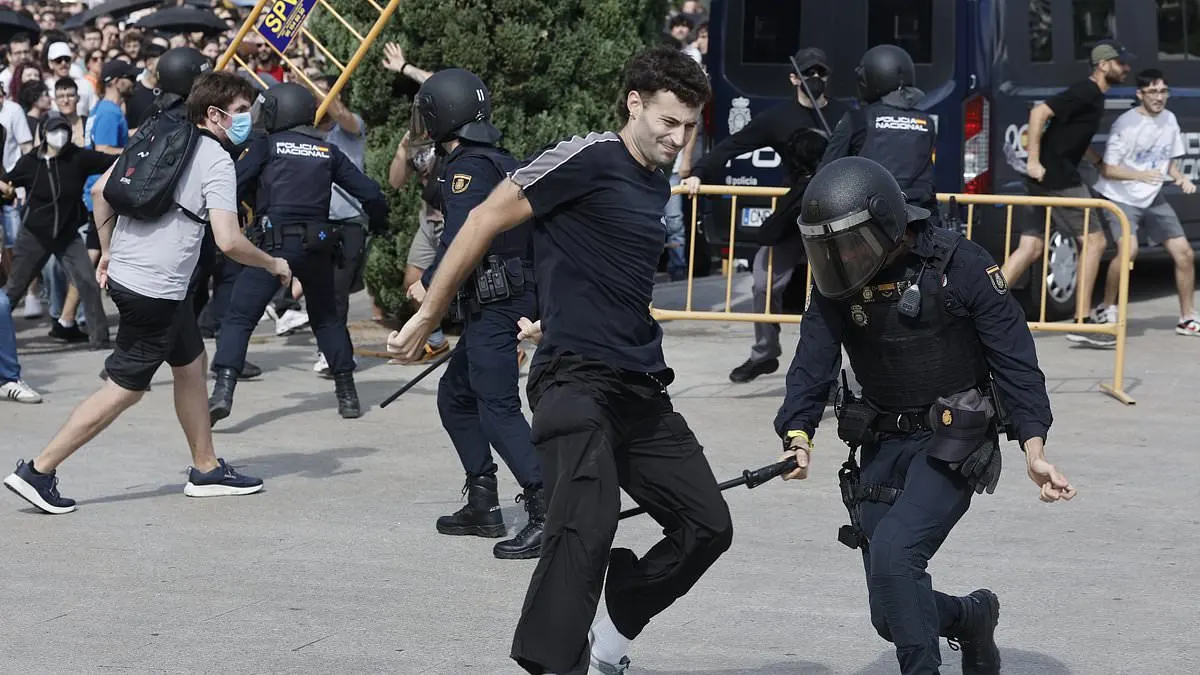
Tens of thousands of Spaniards protested on Saturday across Madrid, Valencia and other cities against the country's housing crisis, which activists blame on short-term rentals and tourist holiday apartments. The demonstrations turned violent when protesters clashed with riot police, with footage showing demonstrators throwing fences at officers who responded with batons, tear gas and rubber bullets.
The escalating anger follows parliament's rejection on Friday of government housing measures that would have banned evictions of vulnerable tenants until 2030, frozen rents for two years and imposed stricter rules on platforms like Airbnb. The Catalan separatist party Junts voted against the proposals, arguing they would reduce housing supply. Around 1,000 protesters have camped at Madrid's Puerta del Sol for a week following the eviction of an 87-year-old woman, with activists calling for a general strike as Prime Minister Pedro Sanchez considers calling a snap election in November.
- Tens of thousands protested Spain's housing crisis blamed on tourist short-term rentals
- Violence erupted when demonstrators clashed with riot police using tear gas
- Parliament rejected housing measures that would ban evictions and freeze rents
New here? Start with this
Spain faces a growing housing crisis in major cities as holiday rental properties and tourist apartments have become increasingly common, reducing the stock of long-term affordable homes for residents. This shortage has driven up prices and made it harder for ordinary Spaniards to find accessible housing, particularly in cities like Madrid and Valencia.
The Spanish government introduced housing reform proposals intended to address the problem through stricter controls on short-term rental platforms and new protections for tenants at risk of eviction. Parliament rejected these measures on Friday when a Catalan separatist party voted against them, citing concerns about housing supply and disagreeing with the government's approach.
Public anger over the housing shortage has been building, intensified by specific cases such as the eviction of an elderly woman, and activists have been calling for stronger government action and potentially wider strikes. The dispute reflects broader tensions between those who want restrictions on tourism-related property conversion and those who believe such measures would worsen the housing shortage rather than solve it.
Both sides, in good faith
The strongest fair case each way — we don't pick a winner.
The case for
The housing crisis demands urgent action. Short-term tourist rentals remove significant housing stock from the market for permanent residents, driving up costs and forcing vulnerable people from their homes. Activist demands for taxation on holiday apartments and stricter regulations aim to redirect housing to those who need shelter, not tourist stays. This reflects a fundamental priority: residents' housing security matters more than tourism revenue.
The case against
Whilst the housing crisis is serious, supply-side restrictions could worsen it by making investment in rental housing less attractive and reducing overall available stock. Junts's concern reflects economic logic: bans and freezes may sound appealing but could backfire. A more sustainable approach would increase housing supply through building and zoning reform, whilst allowing property owners flexibility and maintaining the tourism economy that generates jobs. Targeted solutions addressing supply, not restricting existing housing, offer better long-term remedies.