I’m a wildlife cameraman but ‘special’ rare sightings can still take me by surprise
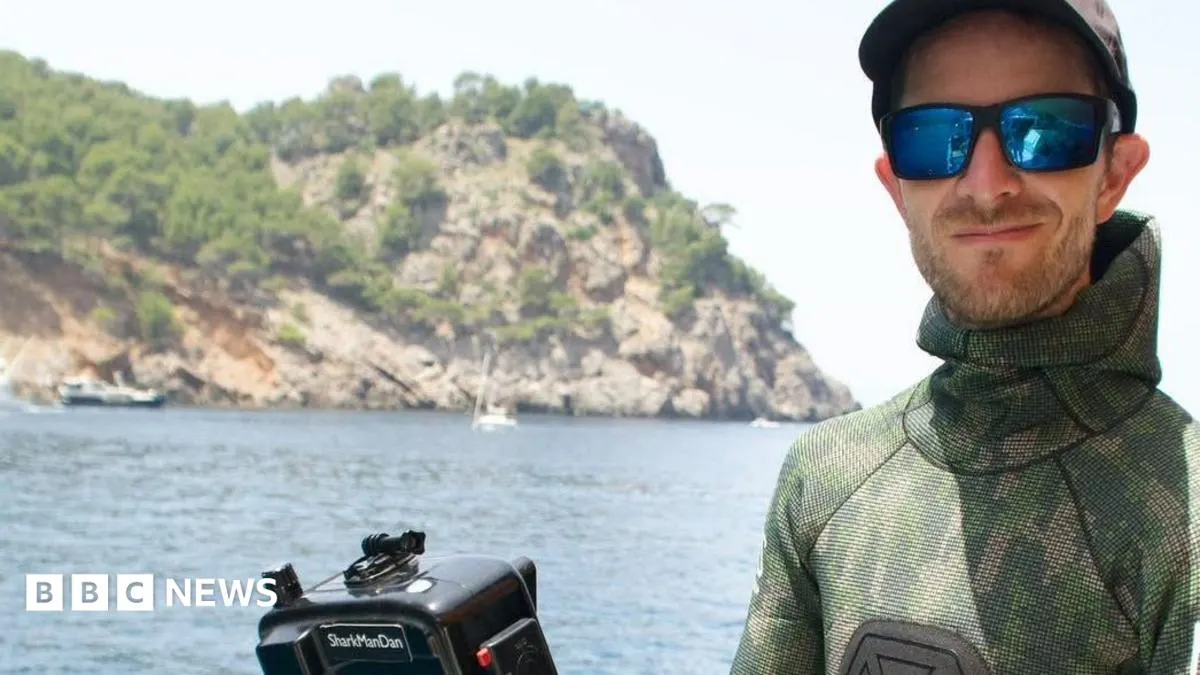
Wildlife cinematographer and shark guide Dan Abbot was surprised to spot a humpback whale during a snorkelling trip in the Celtic Deep off Pembrokeshire. The sighting matters because humpbacks are rare in Welsh waters, where they are seen roughly once every two or three years.
The whale appeared on 25 September, 25 to 30 miles offshore, after the group had seen blue sharks and feeding activity involving tuna, dolphins and gannets. Abbot identified it by its white pectoral fins, barnacles and raised tail; marine officer Lloyd Nelmes said plentiful food may help explain why sightings seem to be becoming more common.
- Dan Abbot unexpectedly spotted a humpback whale off Pembrokeshire.
- Humpbacks are seen in Welsh waters roughly every two or three years.
- Abundant food may be drawing more whales to the area.
New here? Start with this
Humpback whales appear in Welsh waters about once every two or three years, making any sighting of these large whales a notable event. The Celtic Deep off Pembrokeshire is not typical habitat for them, and their visits interest marine observers and the public because each encounter can reveal information about the animals' behaviour and movement patterns. A recent spotting in late September has drawn attention for this reason.
Dan Abbot, a wildlife cinematographer and shark guide, encountered the whale during a snorkelling trip approximately 25 to 30 miles offshore. He identified it by its distinctive white pectoral fins, attached barnacles and raised tail. The whale appeared after the group had already observed blue sharks and feeding activity involving tuna, dolphins and gannets.
Marine officer Lloyd Nelmes has suggested that abundant food in Welsh waters may be encouraging humpback whales to visit more regularly. If this is true, sightings could become more frequent. Even for an experienced wildlife professional like Abbot, the whale's presence came as a surprise, which shows these encounters remain unpredictable in marine environments.