Early PlayStation 2 security chip firmware extracted for research
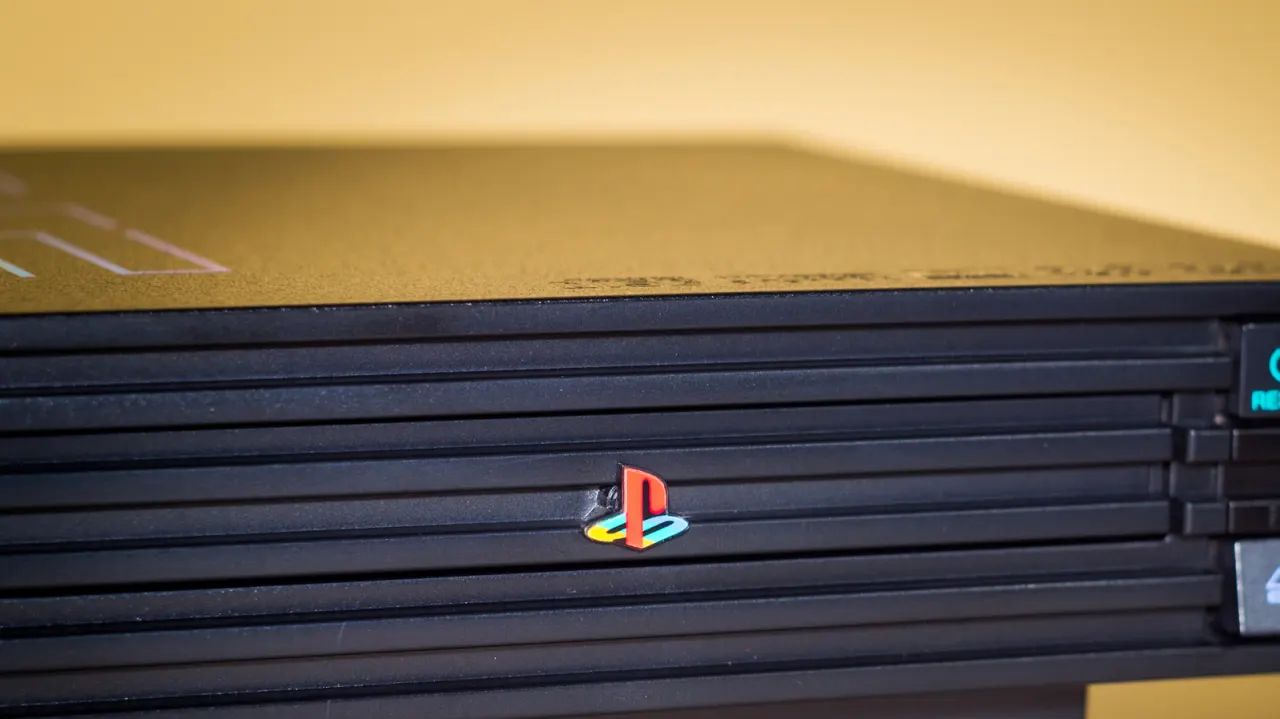
A developer known as DiscoStarslayer has extracted the firmware from the SPC970 MechaCon chip, a key security component in early, “fat” PlayStation 2 consoles. The dump fills a long-standing gap in knowledge about the original hardware and could help researchers develop new chip-level modifications and more accurate emulation.
The extraction used an exploit that made the chip copy its mask ROM firmware into its small EEPROM, then repeated the process to recover the full 256KB image. The release includes 22 firmware images for early PS2 models and Namco arcade boards; the process writes to the EEPROM about 1,000 times and carries a risk of damaging the console. The firmware does not newly unlock PS2 games, but may help researchers understand MagicGate and improve low-level emulation.
- Early PS2 security-chip firmware has been dumped.
- The release contains 22 firmware images.
- The risky method could aid mods and emulation.
New here? Start with this
The PlayStation 2 was Sony’s games console released in 2000. Early, larger models used a chip called the MechaCon to manage parts of the hardware and check security features; its firmware is the built-in software that tells the chip how to work.
The firmware is relevant to researchers studying how the console handled protections such as MagicGate, Sony’s system for controlling access to data. A better understanding of the original hardware may help with accurate emulation, which recreates a console’s behaviour in software, and with research into hardware changes.
Both sides, in good faith
The strongest fair case each way — we don't pick a winner.
The case for
Publishing the firmware can fill a significant research gap, help preserve knowledge of ageing hardware and enable more accurate emulation. Access to the images may also let independent researchers study MagicGate and explore chip-level modifications, despite the extraction process carrying some risk to the console.
The case against
Making the firmware freely available could make it easier to develop unauthorised hardware modifications or weaken protections, even if the release does not itself unlock games. Researchers could also argue that the knowledge should be shared through controlled study, given the potential for misuse and the risk of damaging consoles during extraction.
Read the full article at the source →
Originally published by Engadget as “The original PlayStation 2 security chip has been reverse engineered”.