Chris Rock shreds ‘woke 1.0’ era, compares modern outrage to Salem witch hunts
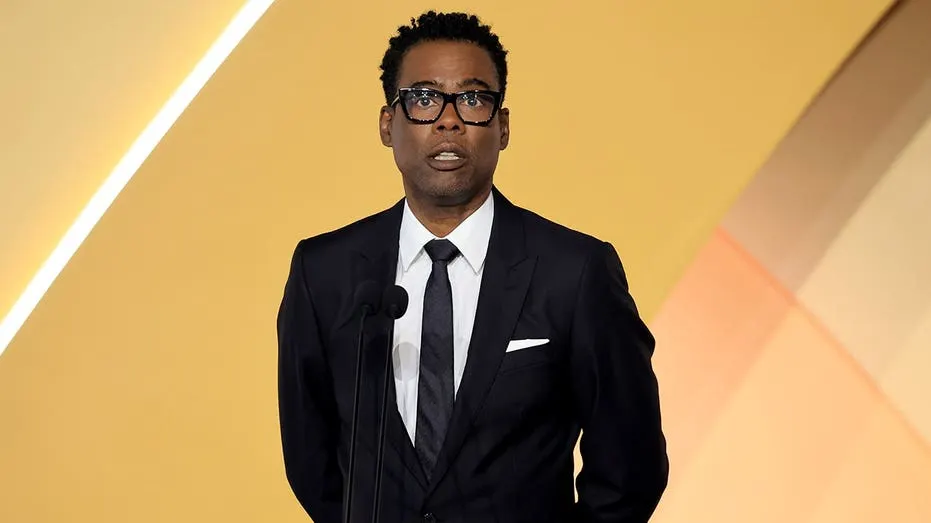
Chris Rock has argued that calls for social change should be paired with forgiveness, saying advocacy for marginalised people can lose its purpose when it becomes institutionalised. He compared the resulting pressure to the Salem witch hunts, while also saying the post-George Floyd period helped voices be heard that might otherwise have been overlooked.
Rock said forgiveness does not mean excusing abusive behaviour, and that friends can hold one another accountable. Former Clinton campaign staffer Kaivan Shroff countered that comedians may knowingly provoke audiences and should not be surprised by the response. Rock made the comments while promoting his film *Misty Green*, about an actress trying to revive her career and the pressures of ageing in Hollywood.
- Rock says social advocacy needs room for forgiveness.
- He compares institutionalised outrage to witch hunts.
- A critic says comedians should own the reactions they provoke.
New here? Start with this
Public calls to address racism, discrimination and other forms of inequality can lead to changes in workplaces and public life. The term “woke” is often used for awareness of these issues, though people use it in different ways and disagree about when efforts to promote change go too far.
Chris Rock is a US comedian and actor whose work often addresses race and social tensions. Kaivan Shroff, a former staffer on Hillary Clinton’s presidential campaign, is among those who have responded to Rock’s comments. The debate touches on how people can challenge harmful behaviour while allowing room for accountability and forgiveness.
The period after George Floyd, a Black man killed by a police officer in 2020, brought renewed attention to racial injustice and calls for reform. Rock’s film Misty Green follows an actress seeking to revive her career, with a story about ageing and pressure in Hollywood.
Both sides, in good faith
The strongest fair case each way — we don't pick a winner.
The case for
Rock’s argument is that movements for social change are most effective when they pair accountability with the possibility of forgiveness, rather than allowing denunciation to become a lasting social penalty. He also recognises that the post-George Floyd period helped previously overlooked voices be heard, while warning that institutionalised advocacy can lose sight of its original purpose; on this view, open debate and proportionate responses help preserve that purpose.
The case against
Shroff’s point is that comedians deliberately use provocation, so criticism of their material is a foreseeable part of public debate rather than evidence of unfair persecution. From this perspective, calling contemporary backlash a witch hunt risks equating criticism with coercive punishment and obscuring the power audiences have to challenge speech they consider harmful. Accountability can include public disagreement without denying forgiveness or the value of social change.