Flydubai hijacker called for women to be ‘stomped on’ in religious rants while studying at British university
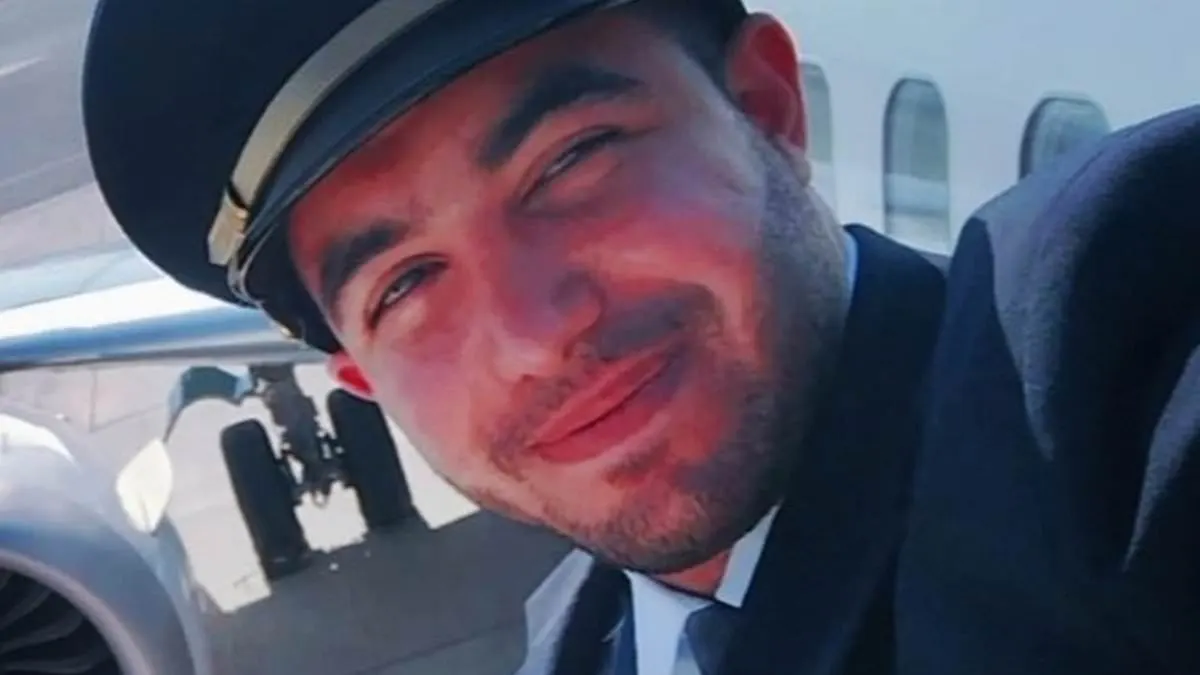
A 29-year-old Omani co-pilot, Hamam al-Hammami, attempted to seize control of a Flydubai aircraft bound for Tel Aviv on Wednesday, attacking and severely wounding captain Smit Machchhar with the onboard crash axe. Passengers and crew wrestled control of the plane away from him as it plummeted 14,000 feet in 29 seconds. The UAE prosecutor has described the incident as an attempted terrorist attack, raising critical questions about aviation security and the identification of extremists within the industry.
Social media posts from al-Hammami's time studying for an aviation degree at Buckinghamshire New University until 2023 reveal violent misogyny and apparent support for jihadist ideology. His deleted social media accounts contained violent rhetoric against women and seemingly endorsed Russia's invasion of Ukraine. In the aftermath of the attack, posts linked to his LinkedIn profile surfaced showing cockpit footage of Israeli airline planes alongside images of Al Qaeda leaders. He had worked for Oman Air but was removed from flying duties in 2024 after officials expressed concerns about possible radicalisation following time he spent in Syria.
- Co-pilot attempted hijack of Tel Aviv-bound flight, wounding captain with crash axe.
- Social media shows violent misogyny and apparent support for jihadist ideology.
- Had been flagged for removal from flying duties over radicalisation concerns.
New here? Start with this
Flydubai is a budget airline based in the United Arab Emirates. On Wednesday, a co-pilot working for the airline attempted to seize control of an aircraft in what authorities describe as an attempted terrorist attack. The incident has brought to light concerning details about the pilot's background, raising questions about how someone with extremist views was able to work in such a sensitive aviation role.
The co-pilot, 29-year-old Hamam al-Hammami from Oman, studied for an aviation degree at Buckinghamshire New University in England until 2023. His social media accounts from his university years, now deleted, contained violent posts with misogynistic rhetoric and apparent support for jihadist ideologies. He had previously been suspended from flying duties in 2024 due to concerns about radicalisation linked to time spent in Syria.
The case highlights potential gaps in how aviation authorities identify and respond to signs of extremism among pilots and crew. It raises questions about whether warning signs such as violent rhetoric on social media or concerning behaviour are being adequately monitored and acted upon during employment.
Both sides, in good faith
The strongest fair case each way — we don't pick a winner.
The case for
Those supporting stronger institutional measures argue that al-Hammami's extremist rhetoric, violent misogyny, and jihadist sympathies were visible on social media throughout and after his university years, with reports of time spent in Syria. These warning signs were accessible to institutions with responsibility for vetting personnel in critical positions. Whilst his airline eventually removed him from flying duties, earlier coordinated action between universities, employers, and security services could have prevented the attack, representing legitimate identification of security threats when ideology combines with aviation access.
The case against
Critics of expanded institutional monitoring argue that expecting universities and employers to police students' and employees' personal political speech—however offensive—creates troubling surveillance infrastructure with risks of disproportionate consequences. Young people often express provocative views they later abandon, and universities should foster open debate rather than enforce ideological conformity. Removing someone from employment based on social media posts, however extreme, without demonstrated illegal behaviour raises serious civil liberty concerns that must be balanced against security imperatives.