Supreme Court kicks off new term with fresh questions over its legitimacy and its future
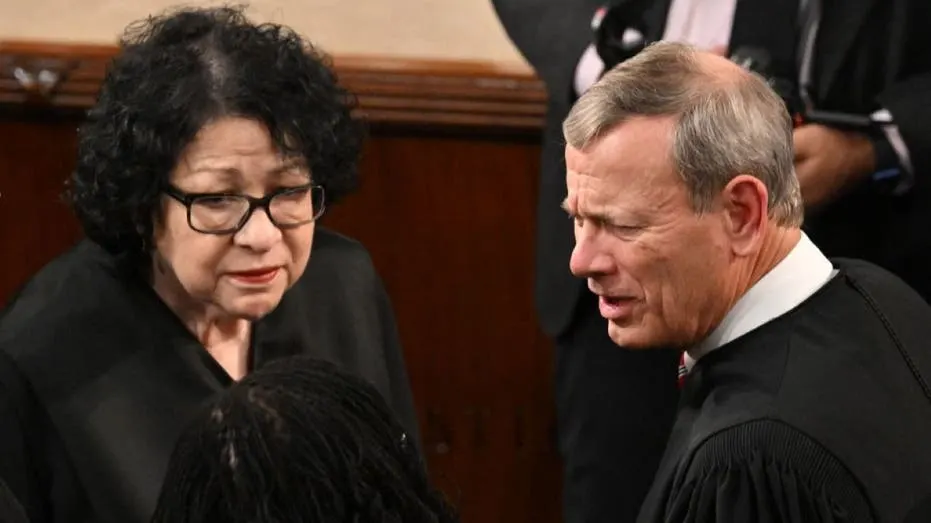
The Supreme Court begins its new term amid mounting concerns about its legitimacy and future, with Chief Justice John Roberts attempting to maintain the institution's independence whilst facing unprecedented political pressure from both left and right. The court must navigate constitutional disputes over executive power, including immigration, federal bureaucracy and White House construction projects, all whilst the justices face personal safety concerns and intense scrutiny over their impartiality.
The court's 6-3 conservative majority has supported President Trump's agenda in roughly 70 per cent of emergency cases filed by his Justice Department since 2025, though the justices have delivered mixed results on major issues. Trump himself has publicly attacked three of his own appointees—Justices Neil Gorsuch, Brett Kavanaugh and Amy Coney Barrett—on social media after they sided against his administration on mail-in voting restrictions, whilst Democrats are pushing for structural changes to the court and Republicans are calling for impeachments of federal judges who block White House policies.
- Supreme Court begins term facing legitimacy questions from both political sides
- Trump's Justice Department won 70% of emergency cases in the previous period
- Trump publicly criticised his own appointees for siding against him
New here? Start with this
The Supreme Court is the highest court in the United States and interprets the Constitution, making decisions that shape American law. A new term has begun amid widespread concern that the court's independence is under threat, with both political parties attacking its decisions and judges in unprecedented ways.
The court has nine justices, with a conservative majority appointed mostly by Republican presidents. Since 2025, this majority has backed President Trump's administration in roughly 70 per cent of emergency cases, though the court has also blocked some of his policies. The situation has grown contentious: Trump has publicly attacked three of his own appointees on social media after they voted against his administration, whilst Democrats are pushing for structural changes to the court and Republicans are calling for impeachments of judges who block White House actions.
Chief Justice John Roberts, who leads the court, is attempting to preserve the institution's independence from political pressure, though it faces mounting scrutiny over whether it can remain impartial. The justices also deal with personal safety concerns, and the new term involves major constitutional questions about presidential power, immigration and federal bureaucracy.
Both sides, in good faith
The strongest fair case each way — we don't pick a winner.
The case for
The Supreme Court functions within its constitutional design, with justices properly appointed through democratic processes and demonstrating independence through mixed rulings rather than lockstep alignment. The genuine threat to judicial legitimacy comes not from the current composition but from attacks on the institution itself—court-packing, structural reforms, or impeachment drives—which would transform the bench into a purely political body. The court's proper role is impartial interpretation of law, not achieving ideological balance across cases.
The case against
The Court's 6-3 conservative majority has consistently sided with one party's agenda in roughly 70 per cent of cases, fundamentally undermining public perceptions of neutrality and independence. When presidents attack justices for rulings against them and propose impeaching judges who block policies, the institution's independence is compromised by political actors seeking advantage. Structural reforms are necessary to restore confidence that the Court serves the rule of law rather than partisan interests.