Trendy suburb that’s home to Peaky Blinders has become a crime-ridden ‘slum’, locals complain
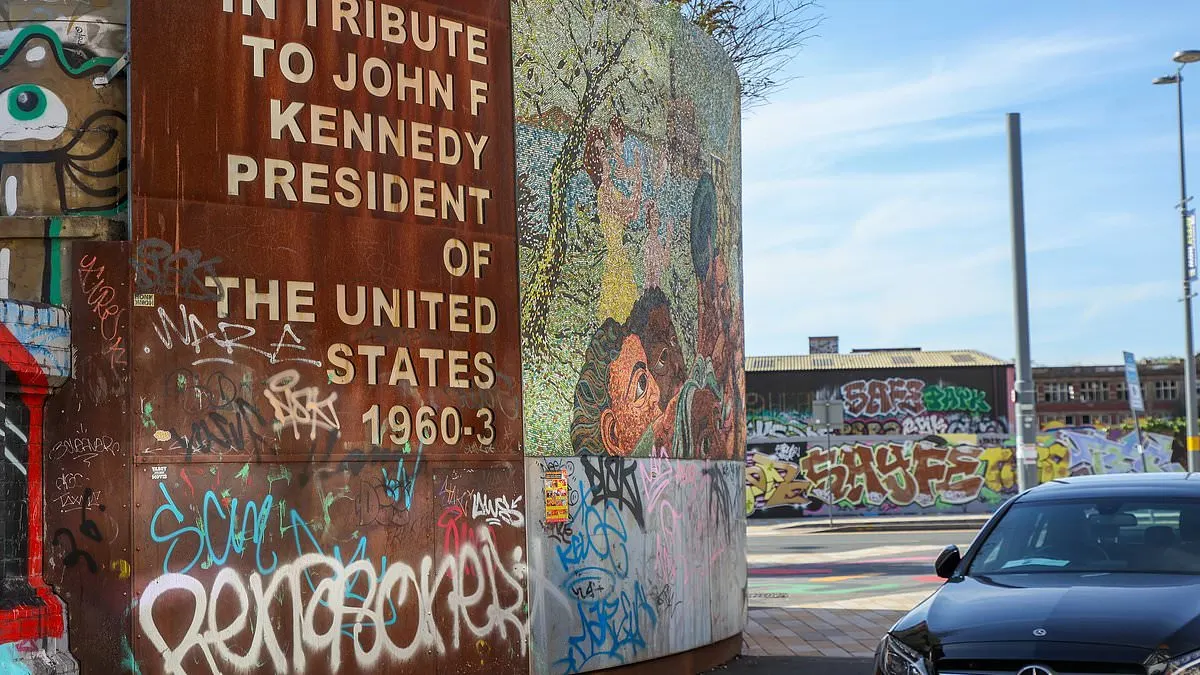
Digbeth, a Birmingham suburb once hailed as 'Britain's coolest neighbourhood', has become a crime-ridden slum according to residents. The area rose to prominence after Peaky Blinders creator Steven Knight opened a studio there in October 2025, yet despite significant investment and BBC plans to relocate its flagship headquarters there, locals say the neighbourhood has deteriorated sharply with rising crime, vandalism and fly-tipping.
The suburb was named one of the best places to live by the Sunday Times, and the BBC's new flagship headquarters, The Tea Factory, was completed as part of a £69.3 million development. However, residents argue that concentrated investment in select prestigious projects has neglected wider regeneration efforts, with independent businesses forced to close due to rising costs. The neighbourhood has experienced multiple violent crimes in recent years, with widespread graffiti and rubbish dumping now normalised, leading locals to feel the regeneration has torn the cultural heart out of the area.
- 'Britain's coolest neighbourhood' now a crime-ridden slum with rampant graffiti and rubbish
- Selective regeneration investment has widened inequality and neglected the wider area
- Multiple murders and rising violence contradict prestigious cultural investments and BBC relocation
New here? Start with this
Digbeth is a Birmingham suburb that has undergone significant transformation in recent years. The area rose to prominence when Peaky Blinders creator Steven Knight opened a studio there, followed by the BBC's decision to relocate its main headquarters to the neighbourhood as part of a major £69.3 million regeneration project. The neighbourhood earned recognition as one of Britain's coolest neighbourhoods and best places to live.
Despite this investment, residents have expressed concerns about the neighbourhood's trajectory. They report increases in crime, vandalism and fly-tipping, and argue that concentrated spending on high-profile projects has neglected broader community needs. Independent businesses have closed as costs have risen, with locals feeling the regeneration has harmed rather than improved their neighbourhood.
The situation raises broader questions about how urban regeneration projects affect existing communities. It highlights the distinction between attracting major investment and high-profile tenants, on one hand, and delivering improvements that benefit established residents and local businesses on the other.
Both sides, in good faith
The strongest fair case each way — we don't pick a winner.
The case for
Investment in flagship institutions like the BBC headquarters represents significant confidence in Digbeth's future and creates employment opportunities and cultural prestige that can attract talent and business. Major development projects of this scale typically generate spillover benefits through infrastructure improvements and increased economic activity, and the Sunday Times recognition raises the area's appeal—something historically underinvested neighbourhoods need to drive broader regeneration.
The case against
The concentration of investment in prestigious flagship projects whilst crime, vandalism and fly-tipping worsen across the neighbourhood suggests regeneration has benefited developers and large institutions rather than existing residents and communities. Independent businesses forced to close by rising rents indicate that investment has increased costs for local traders without supporting them, and the loss of these distinctive local enterprises has damaged the cultural character that made Digbeth appealing in the first place, leaving ordinary residents worse off.