Greens labelled ‘first openly anti-Semitic party in the UK’ as members approve Zionism is Racism motion – but leader Polanski skips vote
Developing story first seen 2 hours ago
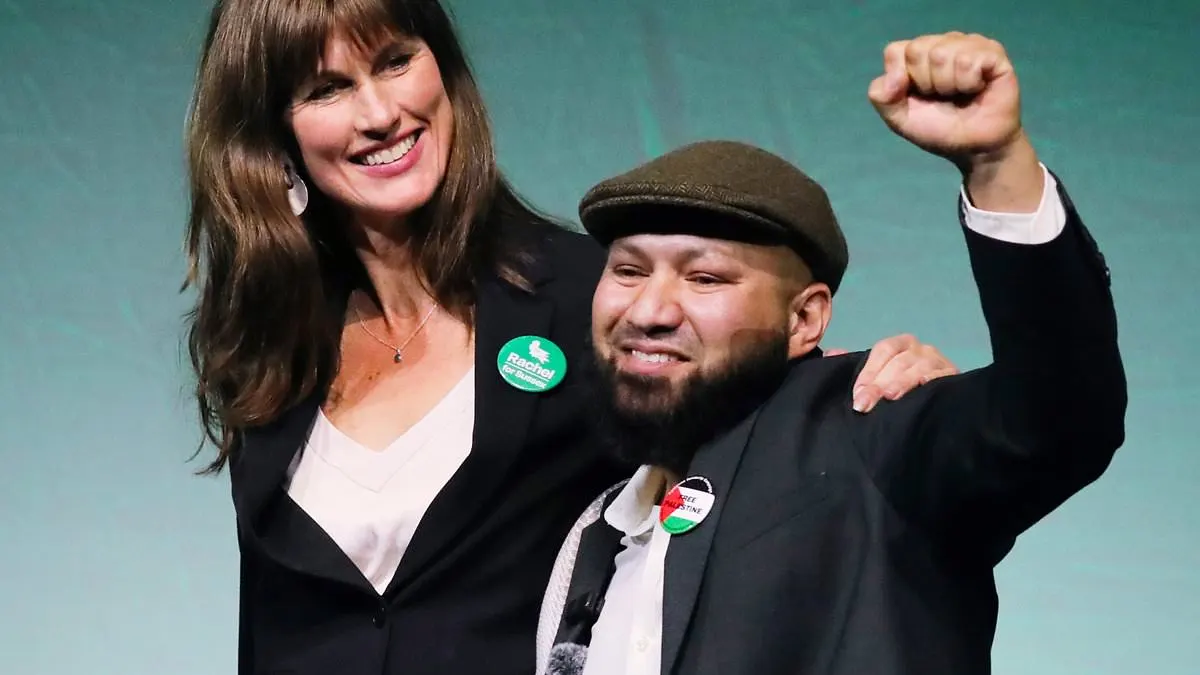
The Green Party has passed a controversial motion equating Zionism with racism, with members voting 1,022 to 813 in favour. The decision has triggered significant internal criticism, prompting former deputy leader Shahrar Ali to declare the party has become "the first openly anti-Semitic party in the UK". Multiple senior party figures, including former co-leaders and the party's first ever MP, have publicly opposed the move, warning it alienates Jewish members and contradicts the party's anti-racism principles.
The motion calls for Israel to be treated as an apartheid state and replaced by a single Palestinian state across historic Palestine, a position critics say amounts to Israel's dissolution. It passed despite all amendments to soften its language being rejected, with the vote concluded with just one minute remaining in the plenary session. Current Green leader Zack Polanski notably missed the vote, being away campaigning for a forthcoming by-election in Holborn and St Pancras, though deputy leader Mothin Ali voted in favour.
- Motion passed with 1,022 votes to 813, making Greens only UK party formally against Zionism
- Senior figures including former leaders call decision anti-Semitic and alienating to Jewish members
- Party leader Polanski absent from vote while campaigning in London for upcoming by-election
New here? Start with this
The Green Party of England and Wales is one of the UK's smaller parliamentary parties, typically focused on environmental and progressive social policies. At its party conference, members voted to approve a motion that describes Zionism – the movement advocating for a Jewish state – as racism, and calls for Israel to be treated similarly to apartheid-era South Africa. The motion passed with over 1,000 votes in favour despite considerable internal opposition.
The motion is contentious because different groups interpret it very differently. Some party members view it as supporting Palestinian rights and opposing what they characterise as Israeli oppression, whilst others, including party veterans and Jewish members, argue it constitutes antisemitism and could alienate Jewish communities. The disagreement reflects broader tensions within the party about how to balance solidarity with Palestinians and criticism of Israeli policy.
The controversy has been deepened by the fact that party leader Zack Polanski was absent during the vote, campaigning elsewhere ahead of a forthcoming election, meaning he did not publicly signal his position on the matter. Several former party leaders opposed the motion, indicating a significant divide within the Green Party over how to approach the Israeli-Palestinian conflict.
Both sides, in good faith
The strongest fair case each way — we don't pick a winner.
The case for
Supporters of the motion contend that Zionism, as a political ideology distinct from Judaism or Jewish identity, can be legitimately criticised, and that the party has a responsibility to champion Palestinian self-determination and respond to documented human rights concerns. They argue that this position reflects principled support for a marginalised population and does not constitute hostility towards Jewish people themselves, and that the party should take clear stances on matters of justice.
The case against
Critics maintain that for many Jews, Zionism represents the legitimate aspiration for Jewish self-determination and national rights, and that describing it as "racism" effectively equates Jewish self-determination with racial discrimination. They argue that such language, regardless of intent, is harmful to Jewish party members and contributes to an environment where anti-Semitic sentiment can flourish, and that there are ways of advocating for Palestinian rights without delegitimising an entire Jewish political philosophy.