Manchester council gave Sheikh Mansour’s Abu Dhabi firm ‘sweetheart’ first offers on development land under controversial 2015 deal
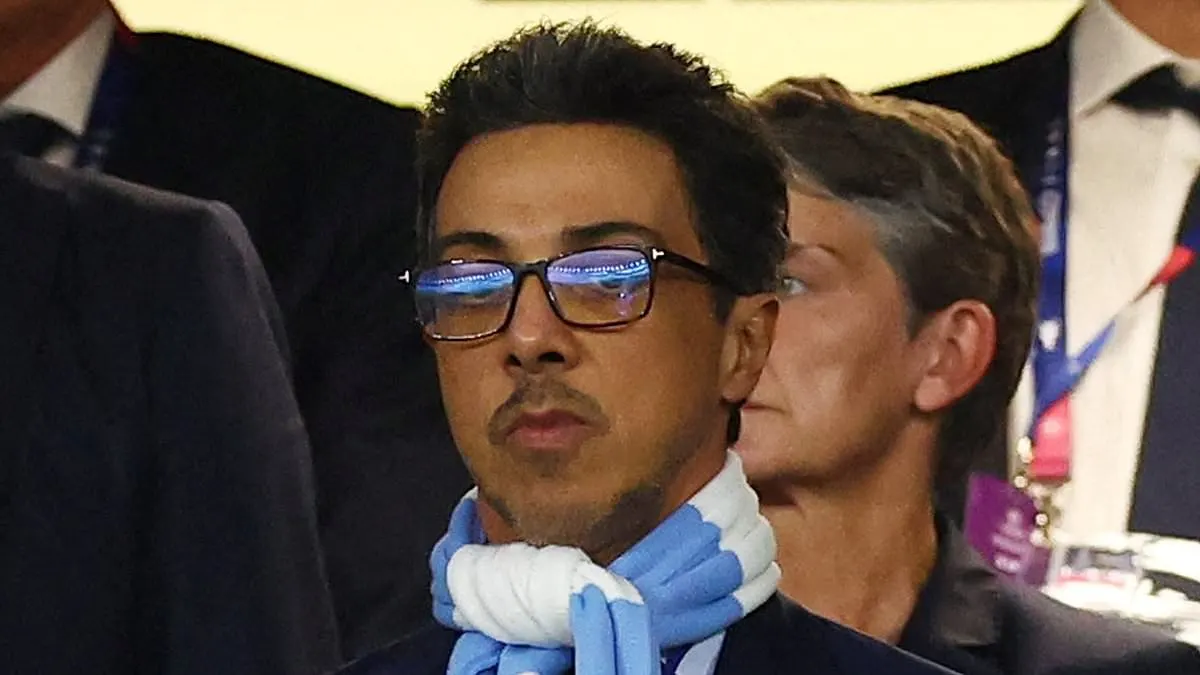
Manchester City owner Sheikh Mansour's Abu Dhabi United Group secured preferential access to council-owned development land through a controversial 10-year contract signed in 2015. The arrangement granted the company "right of first refusal" on sites around Ancoats and New Islington, drawing criticism from other British developers who claim the council gave them unfairly preferential treatment. The contract's existence emerged via Freedom of Information disclosure, raising questions about governance given that former council chief executive Sir Howard Bernstein, who signed the deal, later worked as a strategic adviser to City Football Group, a subsidiary of the Abu Dhabi firm.
The 2015 agreement established Manchester Life, a joint venture between the council and ADUG, to develop residential schemes in the area. Manchester Life received £35.1m in loans from Greater Manchester's Housing Investment Loans Fund, a controversial £1bn taxpayer-backed scheme that critics say bankrolled city centre skyscrapers rather than affordable housing. Developers have alleged the arrangement hindered their own projects, whilst human rights groups have raised concerns about the council's relationship with the United Arab Emirates given documented issues with arbitrary detention and funding of militants. The story gains weight given Prime Minister Andy Burnham's long association with Manchester, where Number 10 North is being built in the same area.
- Council gave Sheikh Mansour's firm preferential land access via controversial 2015 deal.
- Former council chief who signed deal later became strategic adviser to Abu Dhabi firm.
- Other developers say arrangement disadvantaged them.
New here? Start with this
Sheikh Mansour, owner of Manchester City football club, controls Abu Dhabi United Group (ADUG), an Abu Dhabi-based company with significant investments in British property and business. In 2015, Manchester council signed a 10-year contract giving this company preferential access to council-owned development land in areas like Ancoats and New Islington. Under the arrangement, ADUG had what is called "right of first refusal" on these sites, meaning it could secure properties before other developers could bid.
The deal has drawn criticism because other British developers say it gave the Abu Dhabi firm unfairly preferential treatment of publicly-owned land. Questions have also been raised about governance, as Sir Howard Bernstein, the council chief executive who signed the agreement, later became a strategic adviser to City Football Group, part of the Abu Dhabi company's structure.
The arrangement established a partnership called Manchester Life that received £35.1m in loans from a £1bn taxpayer-backed housing investment scheme. Critics argue this fund prioritised city centre development rather than affordable housing. Concerns have also emerged about Manchester council's relationship with the United Arab Emirates, given documented human rights issues, which has added scrutiny to business arrangements with the Gulf state.
Both sides, in good faith
The strongest fair case each way — we don't pick a winner.
The case for
Proponents of the council's arrangement contend that Manchester's regeneration of areas like Ancoats required attracting major capital and expertise, which ADUG provided through a structured joint venture; the right of first refusal mechanism preserved the council's commercial negotiating position whilst enabling the scale of development that smaller individual developers could not deliver.
The case against
Opponents argue that the preferential arrangement gave ADUG unfair competitive advantage over other British developers, raised governance concerns given the later employment of a key council executive by ADUG's subsidiary, and contend that £35.1m in public housing funds was improperly directed to support a major international investor's commercial projects rather than addressing local housing shortages.