Detectorist finds Anglo-Saxon gold talisman near Highclere Castle
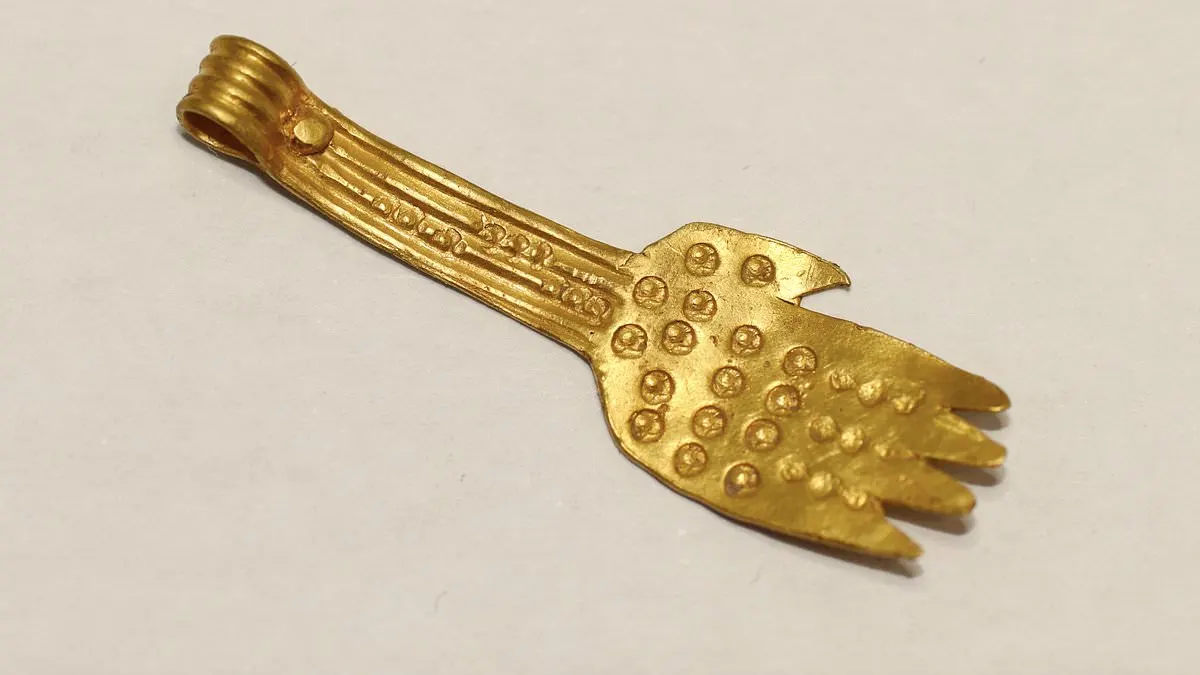
A metal detectorist has discovered a rare 1,000-year-old Anglo-Saxon golden pendant in a field near Highclere Castle in Hampshire, the real-life setting of Downton Abbey. Nick Berry, 58, unearthed the unique hand-shaped artefact during an organised metal detecting rally in Ashmansworth, finding what experts believe symbolised the hand of God and was worn as a talisman by a high-status individual.
The pendant is 32mm long, 10mm wide, weighs 1.6g and is made of very high carat gold, with experts dating it to the ninth or tenth centuries. Specialists believe it was manufactured in the east rather than Britain based on its distinctive style, and was probably dropped by its owner approximately 1,000 years ago with no other artefacts found nearby. The British Museum has declared it treasure that must be saved for the nation due to its uniqueness, and Berry is unlikely to receive the pendant back after reporting his discovery to the Finds Liaison Officer.
- 1,000-year-old Anglo-Saxon hand pendant discovered near Downton Abbey's real location
- Treasure declared for the nation by the British Museum
- High-status medieval owner's lost talisman unearthed after a millennium
New here? Start with this
A metal detectorist has discovered a rare golden pendant in Hampshire believed to be around 1,000 years old. The small hand-shaped object was found during an organised metal detecting event in an area near Highclere Castle, which is known for its archaeological interest.
The pendant dates to the Anglo-Saxon period, the era when Germanic peoples ruled Britain after the end of Roman control around the year 400 and lasting until the Norman conquest in 1066. Whilst finds from this period are not uncommon, small precious metal objects like this gold pendant are exceptionally rare, making this discovery significant for understanding Anglo-Saxon culture and trade.
The pendant's hand shape was likely meant to symbolise God's blessing or divine protection, and it would have been worn by someone of high status as a talisman or charm. The style and composition suggest it was made somewhere to the east, possibly in continental Europe, indicating that valuable imported objects circulated among the Anglo-Saxon elite.
Both sides, in good faith
The strongest fair case each way — we don't pick a winner.
The case for
Anglo-Saxon artefacts of this rarity and authenticity are irreplaceable pieces of our national heritage, and their significance justifies preservation for the nation. The British Museum and similar institutions have the expertise and responsibility to ensure such treasures are properly conserved, rigorously studied, and made accessible to scholars and the public alike. Once such unique objects pass into private hands, there is a genuine risk of damage, loss, or inaccessibility that would impoverish our collective historical understanding.
The case against
Metal detectorists invest considerable time, expense, and effort into their search, and the prospect of finding valuable treasures is a legitimate incentive that drives the hobby. The current system, which confiscates significant finds without compensation to the discoverer, actually discourages reporting—detectorists may rationally choose to keep discoveries hidden rather than surrender them to state authorities. A fairer arrangement would acknowledge and reward the finder's contribution through appropriate compensation, which would incentivise more discoveries to be properly reported and formally documented rather than concealed.
Art Business Culture Markets World
Read the full article at the source →
Originally published by Daily Mail as “Metal detectorist unearths rare 1,000-year-old golden pendant in field near Downton Abbey location”.