University professor who led secret double life as paedophile continued working despite guilt – and his bosses only found out when the Mail told them
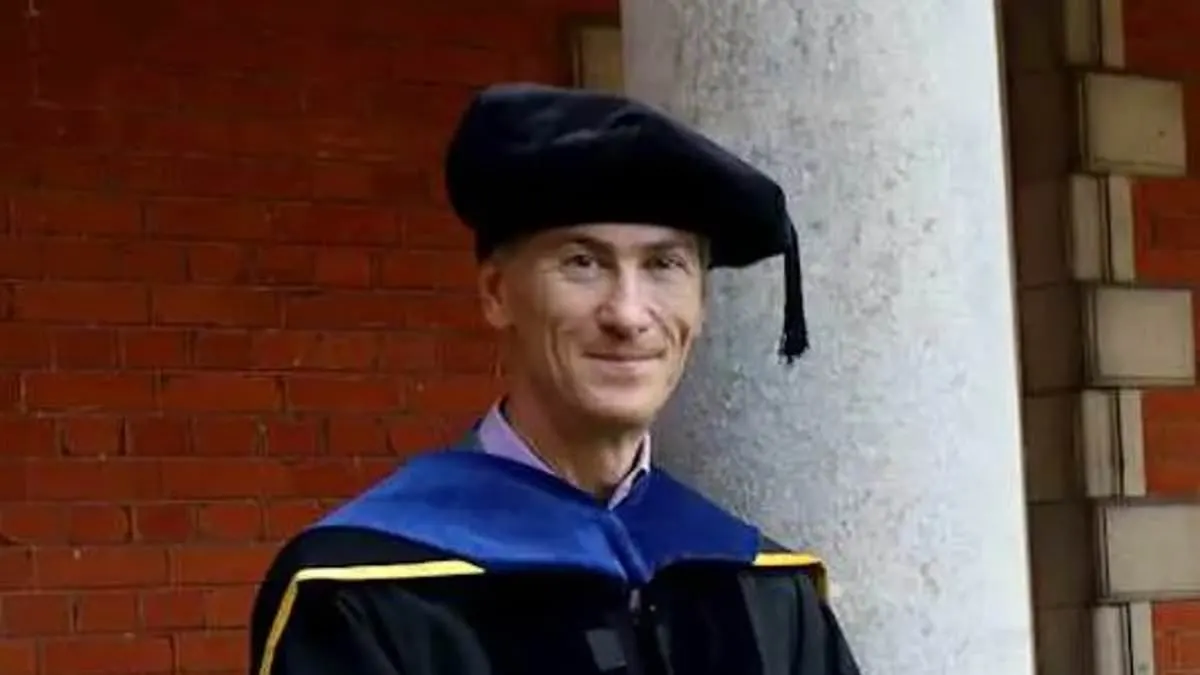
Barry Langford, a film studies professor at Royal Holloway University of London, was convicted of offences linked to planning the sexual abuse of a child. The university says it learnt of the criminal proceedings only after being contacted following his conviction, raising questions about how staff and students were kept unaware while he remained in post.
In 2023, Langford and a woman discussed abusing an eight-year-old girl with someone they believed was offering a child online; that person was an undercover police officer. Langford admitted arranging a child sex offence, making an indecent image of a child and possessing extreme pornography. He received a two-year prison sentence, suspended for three years, and his lawyer said he resigned on 29 June, the day he pleaded guilty.
- A Royal Holloway professor was convicted of three offences involving child sexual abuse material and planning.
- The university says it was not told about the criminal proceedings.
- Langford received a suspended two-year prison sentence.
New here? Start with this
Barry Langford was a film studies professor at Royal Holloway University of London. He was convicted of criminal offences related to planning the sexual abuse of a child following an undercover police investigation.
In 2023, Langford and a woman discussed abusing an eight-year-old girl with someone they believed was offering a child online. That person was an undercover police officer. Langford admitted arranging a child sex offence, making an indecent image of a child, and possessing extreme pornography.
He received a two-year suspended prison sentence and resigned from his position upon pleading guilty. The case raises questions about how universities manage safeguarding when staff members are under criminal investigation, particularly given that Langford continued working during the inquiry.
Both sides, in good faith
The strongest fair case each way — we don't pick a winner.
The case for
Universities have a duty of care to protect students. When staff face criminal charges for child sexual abuse, institutions must be immediately informed to suspend access to vulnerable populations before trial. The gap between Langford's formal accusation and his removal left students at ongoing risk, exposing a critical safeguarding failure that policy should address.
The case against
Criminal proceedings must protect privacy rights and presumption of innocence until conviction. Mandatory pre-conviction notification to employers could prejudice fair trials, compromise investigations, and inflict institutional punishment before legal guilt is established. The system ultimately achieved its protective purpose through prosecution; whilst the timeline was imperfect, it appropriately balanced due process with institutional concerns.