Apple’s iPhone Duo Foldable Prioritises Group Selfies, Sacrifices Face ID and Camera Control
Developed over time first seen 1 hour ago
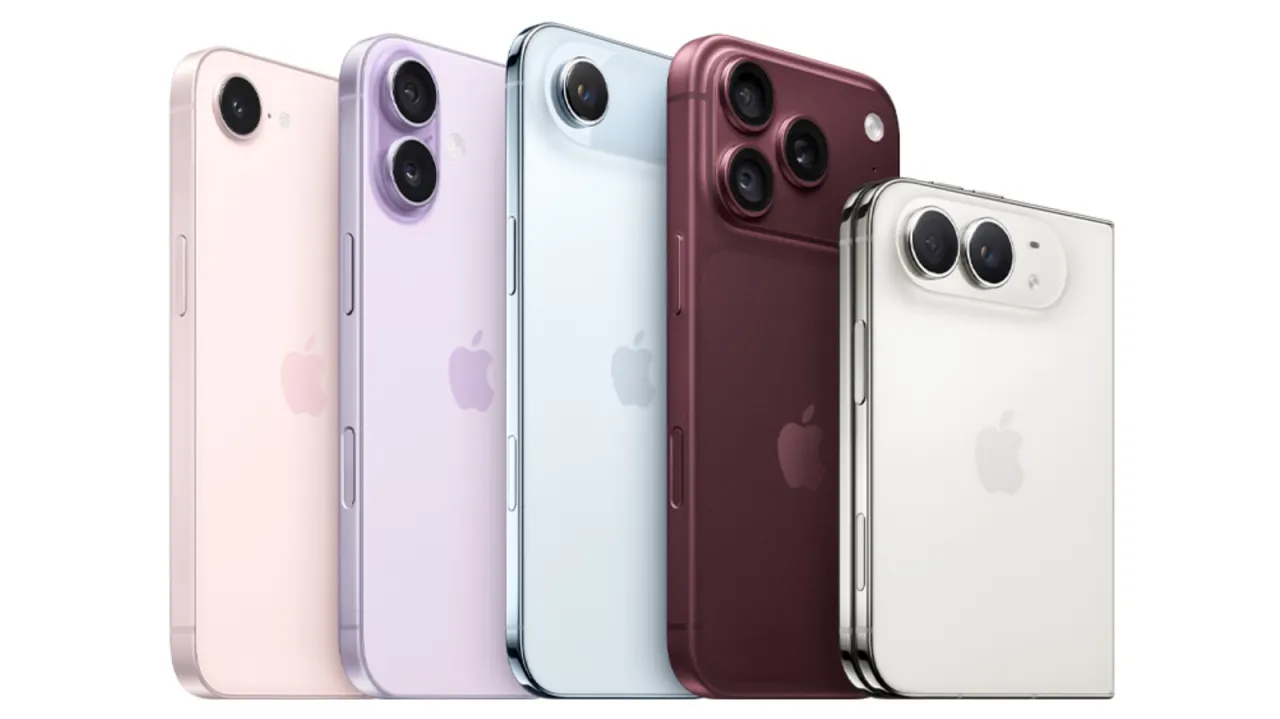
Apple's upcoming foldable iPhone, the Duo, makes notable compromises to its hardware to enable its innovative form factor. The device forgoes Face ID biometric authentication and the dedicated Camera Control button found on other iPhone models, with these omissions attributed to engineering constraints imposed by the folding display mechanism. Despite these reductions in traditional features, the phone maintains a redesigned interface optimised for its new shape.
To offset the missing features, Apple has equipped the iPhone Duo with enhanced camera software specifically designed to improve group photography. The foldable design enables users to position themselves within group photos whilst utilising the phone's higher-quality rear cameras rather than relying on front-facing optics. The device is scheduled to launch on 23 October, with the base model pricing to be confirmed.
- iPhone Duo drops Face ID and Camera Control button to accommodate foldable display
- New camera software enables users to join group photos using rear cameras
- Launches 23 October with redesigned interface for foldable form factor
New here? Start with this
Apple makes the iPhone, the world's most popular smartphone. Until now, iPhones have had flat screens, but the company is now releasing its first foldable model, where the screen bends to make the device more compact. Samsung and other manufacturers have already released foldable phones, so Apple is entering a market that has existed for several years.
The Duo omits two features found on recent iPhones: Face ID, the facial recognition system used to unlock the phone, and the Camera Control button, which provides quick access to camera controls. These components are absent because engineering a foldable phone requires different internal arrangements, leaving limited physical space for these features.
To balance these omissions, Apple has designed the Duo with enhanced software and camera capabilities focused on group photography. The foldable form factor allows users to position themselves within group photos using the phone's rear cameras, which offer better image quality than the front-facing camera, creating a different experience from traditional selfies.
Both sides, in good faith
The strongest fair case each way — we don't pick a winner.
The case for
Apple's foldable design enables meaningful innovation in a core use case—photography. The form factor's ability to position users within group photos whilst using superior rear cameras addresses a genuine limitation of traditional smartphones, where group selfies rely on lower-quality front sensors. Given the engineering constraints of folding display technology, Apple made a deliberate choice to optimise for the experiences users value most rather than preserve every legacy feature. This represents thoughtful product design prioritising real-world usage patterns.
The case against
Face ID represents essential security and convenience functionality that millions of users rely on daily for unlocking phones and authorising payments. The Camera Control button, though recently introduced, has proven useful for quick camera access. Choosing to forgo these established, widely-used features to optimise for group selfies—a far less common use case—suggests misplaced priorities. Rather than removing core capabilities, Apple should have invested in overcoming the engineering challenges to preserve them alongside new foldable innovations.
Full account
Apple’s reported iPhone Duo presents a familiar foldable trade-off: a larger screen and new ways to use its cameras, alongside the loss of features found on conventional iPhones. The two reports approach that trade-off from different directions. One focuses on what buyers would give up, while the other examines Apple’s emphasis on group photographs.
According to the reports, the Duo replaces Face ID with a fingerprint sensor built into the power button. That could appeal to people who prefer Touch ID, but it would change the routine for anyone used to unlocking their phone and approving purchases by looking at it. The Duo also lacks the Camera Control button available on other recent iPhones. How much that matters will depend on whether an owner uses its shutter and camera-setting controls.
The folding design creates a different way to take a group selfie. Users could stand the Duo partly open, join the photograph and use its 48-megapixel rear cameras while seeing the framing. The second report says Apple is pairing this arrangement with focus tracking and an iOS 27 feature called Smart Take, which is intended to capture a picture when a group briefly holds still. That might spare people repeated attempts with a timer, although a moment without movement will not necessarily produce a good photograph.
Neither report establishes how well these features will work in everyday use. The second questions how often buyers would use the group-selfie tools, particularly at the reported $2,000 starting price, and notes that other foldable phones have offered similar possibilities. The first is more concerned with the broader buying decision, including durability and camera compromises. Together, they suggest that the Duo’s appeal rests on whether its folding screen and photographic flexibility outweigh the conveniences a buyer would lose.
Where outlets differ
Source 1 emphasises missing iPhone features, especially Face ID and Camera Control, and questions whether the Duo suits buyers who value them.
Source 2 concentrates on Apple’s group-selfie pitch and describes the folding position, rear cameras and Smart Take. It also questions the feature’s practical value and points out that rival foldables have offered similar options.
Coverage
- Engadget — Foldable iPhone Duo reportedly drops Face ID and camera features
- Engadget — iPhone Duo combines foldable design and software for better group selfies