Skull injuries bolster theory of ritual killings in early Egypt
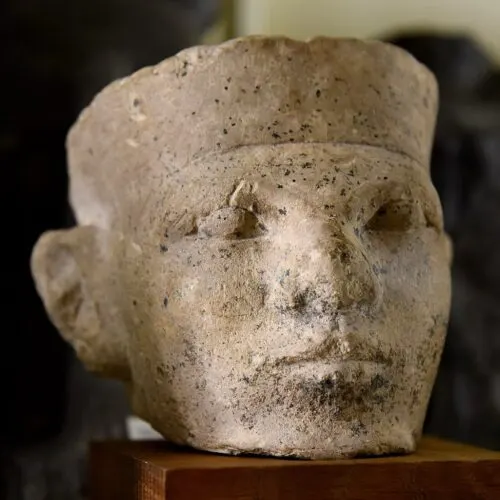
New forensic analysis of ancient Egyptian remains has found evidence supporting the theory that early pharaohs practised "retainer sacrifice"—burying servants and officials with them for the afterlife. A bioarchaeologist from Purdue University has re-examined skulls excavated nearly a century ago, finding signs of fatal blunt force trauma on 39 percent of them, suggesting these individuals may have been deliberately killed. This debate has long divided Egyptologists into opposing camps, but modern forensic techniques now allow for fresh analysis of these historical remains.
The analysis examined 46 skulls from the Umm el-Qaab cemetery at Abydos, a royal burial site in southern Egypt, originally excavated by British archaeologist Flinders Petrie in the 1920s. The cemetery contains subsidiary graves containing what appear to be lower to mid-level officials and artisans, many of which seem to have been filled and sealed simultaneously rather than over time—a pattern consistent with mass burial. Petrie's original preservation methods (coating skulls in paraffin) had compromised some forensic data, but modern scientific techniques have allowed researchers to identify the blunt force trauma evidence anew.
- Forensic analysis of 46 Egyptian skulls finds fatal blunt force trauma on 39 percent
- Suggests early pharaohs may have practised retainer sacrifice with servants buried in the afterlife
- Modern techniques allow re-examination of 1920s excavations with fresh insights
New here? Start with this
Retainer sacrifice was the practice of burying servants and officials together with a ruler, supposedly to serve them in the afterlife. The practice is known from later periods of ancient Egypt, but scholars have long disagreed about whether it occurred in the earliest dynasties. The question hinges on interpreting incomplete archaeological evidence from ancient burial sites.
One key site is Abydos in southern Egypt, a royal cemetery explored by British archaeologist Flinders Petrie in the 1920s. The cemetery contains smaller graves clustered around the main royal tombs, holding the remains of what appear to be lower to mid-level officials and artisans. These remains have been preserved for nearly a century, though the original preservation methods have since raised questions about what evidence may have been lost.
Determining how these people died could be important to the debate. Evidence of fatal injury on the bones would support the retainer sacrifice theory, while an absence of such evidence would suggest people were buried for other reasons. Modern scientific analysis can now examine ancient bones in ways that earlier investigation could not.
Both sides, in good faith
The strongest fair case each way — we don't pick a winner.
The case for
Modern forensic analysis reveals blunt force trauma on a significant proportion of skulls from subsidiary graves at this royal burial site, a pattern strengthened by evidence of simultaneous mass burials rather than staggered interments over time. The concentration of fatal injuries among individuals buried alongside pharaohs, combined with the organised sealing of these graves, aligns persuasively with historical practices of retainer sacrifice documented in early dynastic societies where accompanying one's ruler to the afterlife held ceremonial and religious significance.
The case against
Blunt force trauma on ancient remains admits multiple plausible explanations—accidental deaths, warfare injuries, ritual combat, executions for unrelated offences, or post-mortem damage—making attribution to retainer sacrifice speculative rather than proven. The methodological limitations of re-examining material excavated and preserved nearly a century ago, combined with inherent difficulties in determining cause and precise timing of skeletal injuries, warrant considerable caution, and alternative explanations deserve equal consideration alongside the sacrifice hypothesis.
Read the full article at the source →
Originally published by Ars Technica as “New forensic evidence supports Egyptian “retainer sacrifice””.