Environmental groups critical of housing levy idea
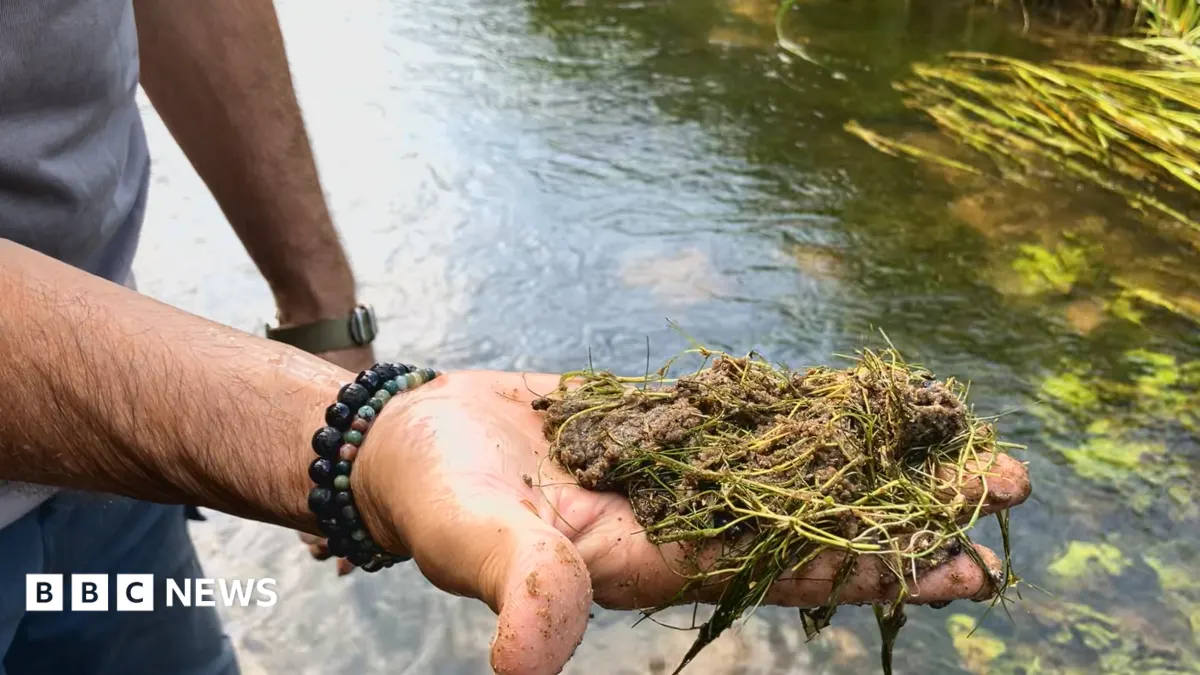
The government wants to pilot a new nature levy in central Norfolk and parts of the Broads, requiring housing developers to contribute to conservation projects. The plan is intended to allow thousands of homes to be built despite river protection rules, while funding work to improve habitats and offset pollution from new developments.
Environmental groups say habitat projects may not address pollution at its source, leaving vulnerable chalk streams at risk. The proposed levy is £2,675 per home and is expected to raise about £42m to fund restoration in the River Wensum, the Bure broads and marshes, and the River Yare catchment. The plan could unlock space for 15,780 homes and includes deer management; a public consultation runs from 17 September to 27 October.
- Norfolk developers could pay £2,675 per home towards conservation.
- The levy aims to unlock space for 15,780 homes.
- Environmental groups warn pollution risks to chalk streams may remain.
New here? Start with this
England's rivers are protected by strict rules to prevent pollution and preserve wildlife, particularly chalk streams which are ecologically sensitive. These protections often limit where new homes can be built. The government wants to pilot a different approach in central Norfolk, where it would allow housing development while requiring developers to fund conservation work.
Under the proposed scheme, property developers would contribute a levy of £2,675 per new home to environmental projects. This money would be used to restore habitats and improve water quality across the River Wensum, River Yare and the Broads area. The plan could unlock approximately 15,780 new homes whilst generating about £42m for conservation work to offset the environmental impact of construction.
Some environmental groups question whether this approach properly addresses pollution at its source. They worry that restoration work cannot fully offset the impact of new development and may leave vulnerable rivers at risk. The government is consulting the public on the proposal until late October.
Both sides, in good faith
The strongest fair case each way — we don't pick a winner.
The case for
The levy represents a practical compromise between housing need and environmental stewardship. England faces a critical shortage of homes, and this mechanism unlocks space for over 15,000 dwellings whilst generating substantial conservation funding—£42 million—directed specifically to vulnerable areas including chalk streams and the Broads. Rather than preventing development entirely, it channels resources toward genuine habitat restoration and improvement, allowing both housing delivery and environmental investment to proceed simultaneously.
The case against
Environmental groups rightly worry that using habitat restoration to offset new pollution is fundamentally addressing the symptom rather than the disease. Chalk streams are irreplaceable ecosystems that require source-level pollution prevention, not downstream mitigation through habitat projects. The levy risks becoming a mechanism to legitimise development that damages these vulnerable waterways, with conservation efforts serving as a financial mechanism rather than a genuine solution to protect England's most fragile habitats.