Businessman ordered to tear down his huge ‘football director’s box’ extension fails in bid to stop demolition as planning bosses dismiss his appeal
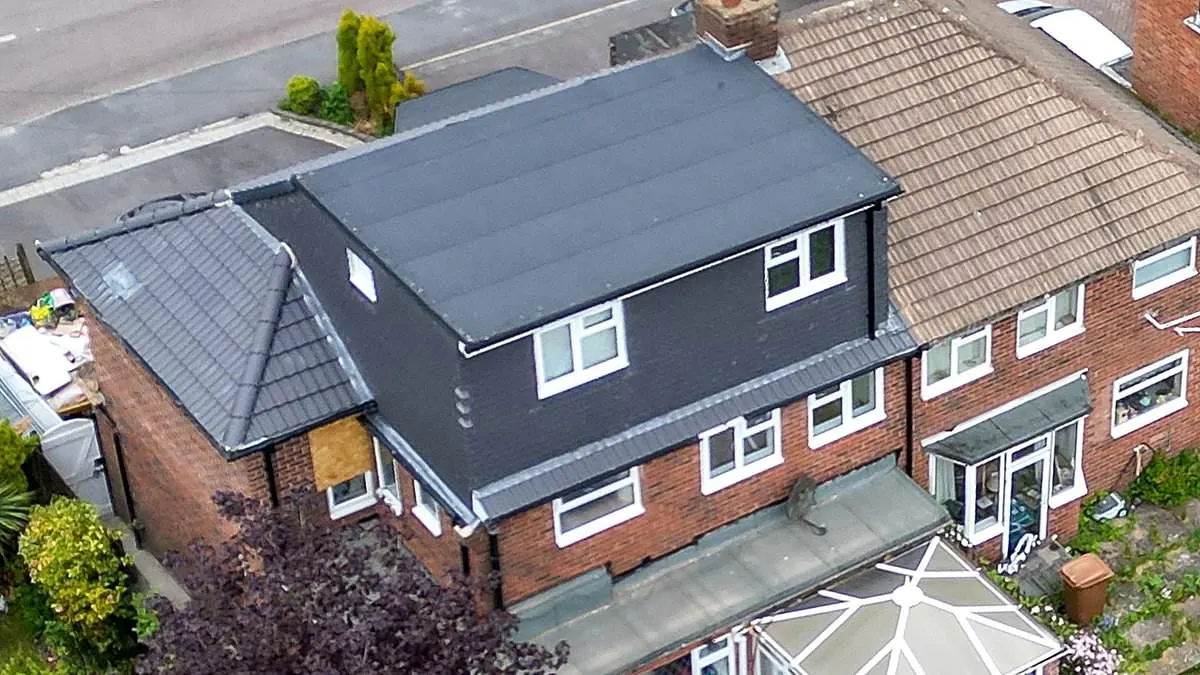
Mani Singh must demolish or alter a large extension built without planning permission at his home in Sutton Coldfield after a planning inspector dismissed his appeal. The decision matters to nearby residents, who objected to the structure’s appearance and its effect on their gardens and the character of the street.
The extension includes a loft conversion, skylights and a grey dormer about three metres high, on a three-bedroom house Singh bought for £415,000 in 2024. Walsall Council refused retrospective permission, citing its appearance, separation from neighbouring homes, loss of light and impact on residents’ amenities; the inspector agreed it harmed the area’s appearance. Singh may submit revised plans, otherwise the council can pursue enforcement.
- Planning appeal dismissed over a large home extension.
- The three-metre dormer must be removed or regularised.
- Neighbours complained about its appearance and loss of light.
New here? Start with this
Planning permission is normally required before making substantial changes to a home's structure. Mani Singh built a large extension on his three-bedroom house in Sutton Coldfield without securing this permission, adding a loft conversion, skylights and a distinctive grey dormer window approximately three metres tall.
Walsall Council refused to grant retrospective permission, citing concerns about the extension's appearance and its impact on neighbouring properties. Nearby residents had also raised objections, worried about how the structure looked and what effect it had on their own homes and the street's wider character.
An inspector reviewing Singh's appeal has upheld the council's refusal, meaning the extension must now be demolished or substantially altered. The case illustrates the tension between homeowners' desires to improve their properties and planning rules designed to protect residential neighbourhoods' appearance and residents' quality of life.
Both sides, in good faith
The strongest fair case each way — we don't pick a winner.
The case for
Property owners ought to retain substantial autonomy over their own homes, particularly when improvements are undertaken in good faith and add genuine value. Planning rules, whilst serving an important purpose, can become unnecessarily restrictive and prevent reasonable homeowners from making sensible enhancements that harm no one materially. Rather than requiring expensive demolition of a completed structure, a more proportionate approach would seek compromise through revised plans or modified enforcement, recognising that perfectionism in regulation can work against practical problem-solving and fairness to individual householders.
The case against
Planning regulations protect neighbourhood character and residents' amenities precisely because communities have legitimate interests beyond any single property owner's preferences. A substantial unauthorised extension materially affects neighbouring residents' light and enjoyment of their homes, and permitting it retrospectively would reward rule-breaking whilst punishing those who followed procedures. The system provides a fair mechanism for achieving solutions through revised applications; enforcement here upholds the planning process's integrity and ensures equal treatment of all residents, not just those willing to circumvent regulations.