Are phone coolers actually worth it?
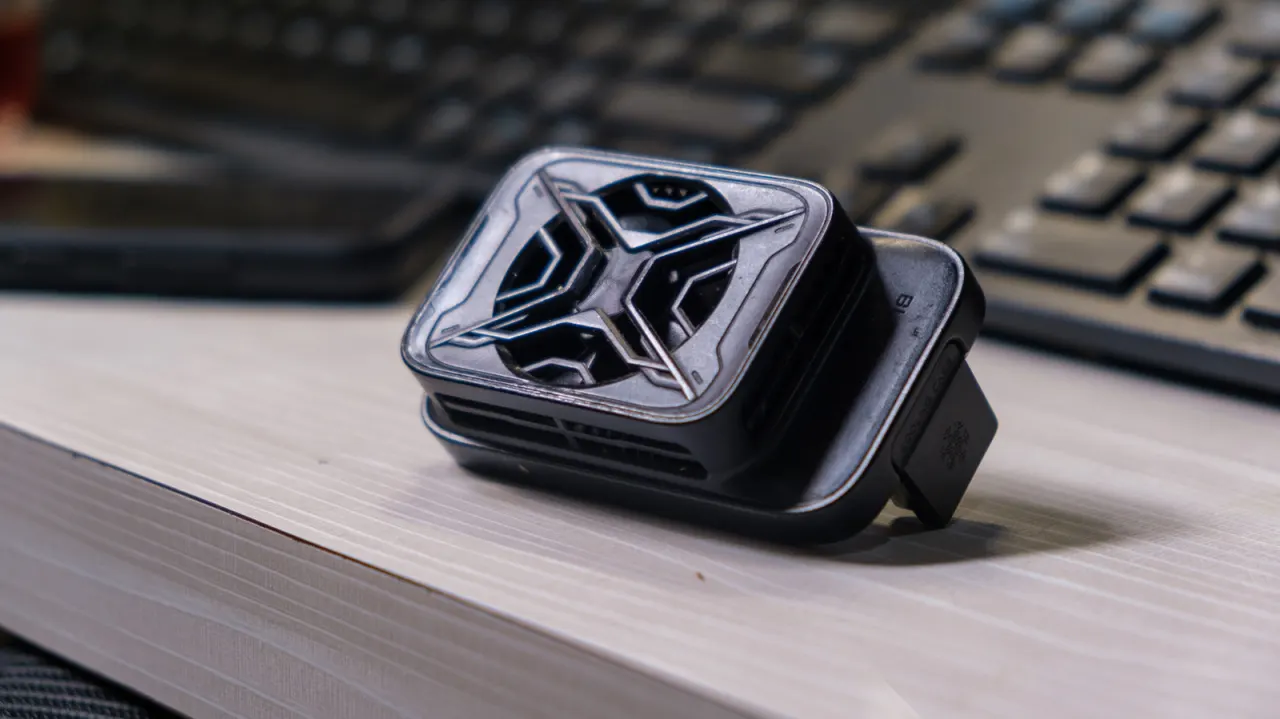
Phone coolers can help maintain performance when a phone gets hot during sustained, demanding tasks, but most people are unlikely to need one. Heat can cause a phone to throttle its processor, slowing games or other workloads, and active cooling may reduce that effect.
Coolers range from fans and heat-spreading cases to thermoelectric devices; apps cannot directly remove heat from hardware. In tests on the ASUS ROG Phone 8 Pro, 3DMark stability rose from 77% and 79.2% without its AeroActive Cooler X to 92.7% and 90.8% with it. Long gaming sessions, livestreaming, video processing and hot-car navigation may justify cooling, but removing a case, avoiding direct sun, using an air-conditioning vent or changing charging habits may help first.
- Phone coolers can help when heat causes performance drops.
- Most users do not need one.
- Try simpler ways to reduce heat before buying a cooler.
New here? Start with this
Smartphones can become very hot during demanding activities such as gaming, livestreaming, or video editing. When a phone overheats, it automatically reduces the speed of its processor to protect itself, which causes performance to drop and can make games stutter or lag.
Phone coolers work by actively removing heat from the device using small fans, special materials that spread heat away, or electronic cooling technology. Testing shows these coolers can maintain better performance during intensive use compared to phones without them.
Most everyday phone users will not benefit from a cooler, as normal browsing, messaging and casual apps do not cause significant overheating. However, people who play demanding games for extended periods, livestream content, process videos, or frequently use navigation in hot vehicles might find one useful, though simpler steps like removing your phone case or positioning it near an air-conditioning vent may help first.
Both sides, in good faith
The strongest fair case each way — we don't pick a winner.
The case for
For users engaged in sustained, performance-demanding activities such as gaming, live streaming or professional video editing, phone coolers offer measurable performance improvements, as demonstrated by meaningful gains in testing. Beyond immediate smoothness, active cooling protects long-term hardware integrity by reducing repeated thermal throttling, which can degrade components; for professionals relying on their devices, this longevity protection and reliability justify the investment.
The case against
Most users rarely encounter thermal issues requiring an additional accessory, particularly when free alternatives—removing a case, utilising air-conditioning vents, or adjusting charging habits—effectively mitigate heat accumulation. Phone coolers add cost, bulk and complexity to the user experience, whilst manufacturers already engineer devices to function reliably under normal conditions; for the average person, this represents poor value when simple behavioural adjustments suffice.