Ronaldo’s break with Portugal is sad, fitting, and long overdue | Jonathan Wilson
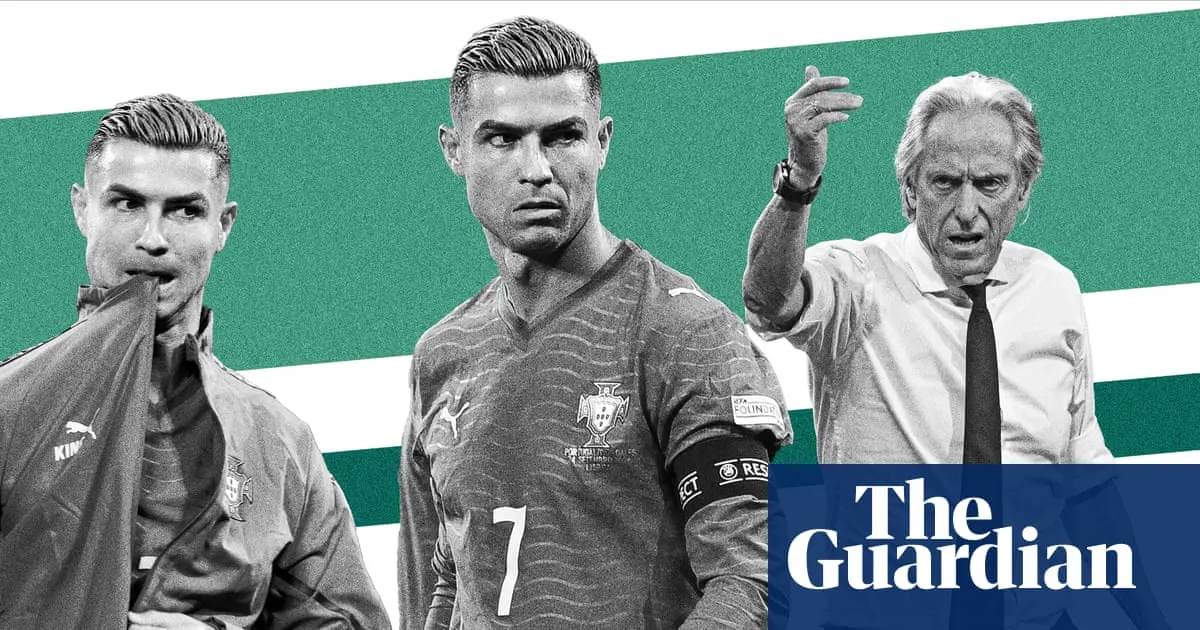
Cristiano Ronaldo's international career with Portugal has ended following a disagreement with new coach Jorge Jesus over team selection. Ronaldo had agreed not to start against Norway but was not brought on as a substitute despite the competitive nature of the match, leading him to leave the squad. The columnist argues this separation is ultimately beneficial for Portugal.
Coach Jorge Jesus, at 72 in his second match in charge, refused to compromise over Ronaldo's status, stating that team success takes priority over any individual player. Portugal went on to win 4-2 against Denmark and 2-1 against Norway, achieving four consecutive victories in this window, with Gonçalo Ramos performing well in attacking positions. The article contends Ronaldo had constrained Portugal's tactical options for years and that his departure allows the team and younger players like Ramos more freedom.
- Cristiano Ronaldo has apparently ended his international career after disagreeing with Portugal's new coach
- Portugal has won four consecutive matches since the dispute, with new attacking options emerging
- The columnist argues Ronaldo's departure frees the team tactically after constraining them for years
New here? Start with this
Cristiano Ronaldo played for Portugal's national team for over two decades, becoming a central figure in the side's recent successes including the 2016 European Championship. His status meant he typically held a key role in the squad, though in recent times there has been discussion about whether his presence affected the team's tactical flexibility and opportunities for younger players. Ronaldo is now 39 years old.
Jorge Jesus recently became Portugal's manager and has emphasised that team success must come before any individual player's interests. Under his management, Portugal has continued to achieve positive results, with younger players taking on more prominent roles. This represents a different approach to squad management compared to previous years.
Ronaldo's departure from the national team reflects a transition in how Portugal is approaching its football, moving from building the squad around an established superstar to developing emerging talent. Similar situations have arisen at other national teams as they navigate the shift from veteran players to younger generations.
Both sides, in good faith
The strongest fair case each way — we don't pick a winner.
The case for
An elite team must ultimately prioritise collective success over accommodating any individual, however celebrated their history. Ronaldo had constrained Portugal's tactical system for years, and his departure immediately freed the coach to build a more dynamic attacking approach with younger players like Gonçalo Ramos, who have thrived in this new environment. At 39, Ronaldo's physical capabilities were naturally waning, and Portugal's achievement of four consecutive victories demonstrates that this separation marks the right moment for renewal, allowing the nation to build towards its future rather than remain bound to the past.
The case against
Ronaldo's nearly two decades of extraordinary service to Portugal deserved far greater respect and dignity in his exit. Even at 39, his experience, mentality, and leadership retain value within a squad, and the coach's absolute refusal to compromise—not even utilising him as a substitute during competitive matches—reflects unnecessary rigidity rather than pragmatic management. Portugal's success in a few recent matches does not vindicate how its greatest ever player was treated, and this episode sets a troubling precedent for how the nation honours and manages its long-serving legends.