Manchester City loyalty prompts some fans to defend Abu Dhabi’s regime
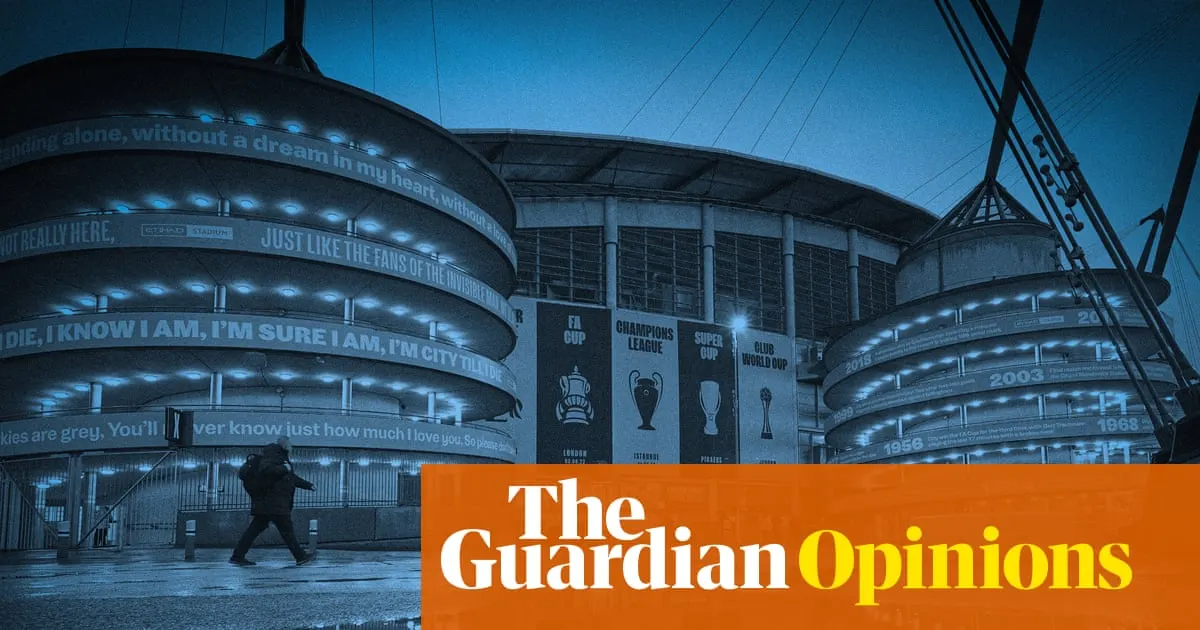
Manchester City supporters have responded defiantly to the club’s legal case, with some dismissing critics and showing little willingness to question the owners. The article argues that this goes beyond ordinary football tribalism: loyalty to the club can also become a defence of the Abu Dhabi regime behind its ownership.
Academic Colm Kearns and colleagues analysed years of online posts and found some fans overlooked ethical concerns and attacked the owners’ critics. Kearns says online abuse has led some sports journalists to self-censor, while social media lets supporters gather in spaces dominated by their own club’s perspective. The article says City’s success and the UAE’s investment have helped create emotional bonds that shape how some fans view the allegations.
- Some City fans treat criticism of the club as an attack to resist.
- Researchers found fans sometimes defended the owners and targeted critics.
- Social media can deepen loyalty by narrowing whose views fans encounter.
New here? Start with this
Manchester City Football Club has been owned by Abu Dhabi's government-linked investment group since 2008, becoming one of the world's richest clubs. The ownership has delivered sporting success but has faced sustained criticism over the UAE's human rights record and governance practices.
This story examines how Manchester City fans respond to such criticism of their owners. Research indicates that loyalty to the club often extends to defending Abu Dhabi itself, with some supporters overlooking ethical concerns and attacking critics, particularly through social media.
The phenomenon raises broader questions about modern sports fandom and ownership. When success and investment create emotional attachment to a club, supporters may become less inclined to question their owners' records, especially in online spaces where they predominantly encounter views similar to their own.
Both sides, in good faith
The strongest fair case each way — we don't pick a winner.
The case for
When supporters reflexively defend ownership against human rights criticism, they effectively shield the regime from scrutiny and normalise complicity through their sporting loyalty. The emotional bonds created by the club's success can override ethical reasoning, particularly within social media spaces that reinforce existing views, and this tribal response can manifest as attacks on journalists and critics seeking to raise legitimate concerns about the regime's practices.
The case against
Supporting a beloved club does not necessarily entail endorsing every aspect of its ownership or governance, a distinction that supporters of many major football clubs reasonably maintain without requiring them to become political activists. The scrutiny applied to City often exceeds that directed at other clubs with ethically complicated ownership structures, and asking ordinary supporters to meet higher moral standards than the broader football industry applies sets an unrealistic expectation driven by selective criticism rather than consistent principle.
Americas Football Space Sport Technology World
Read the full article at the source →
Originally published by The Guardian as “How do sports fans end up as aggressive defenders of a nation state’s regime? | Sean Ingle”.