Trump breaks with Vance over FlyDubai terror attack as president blames Iran and VP pumps brakes
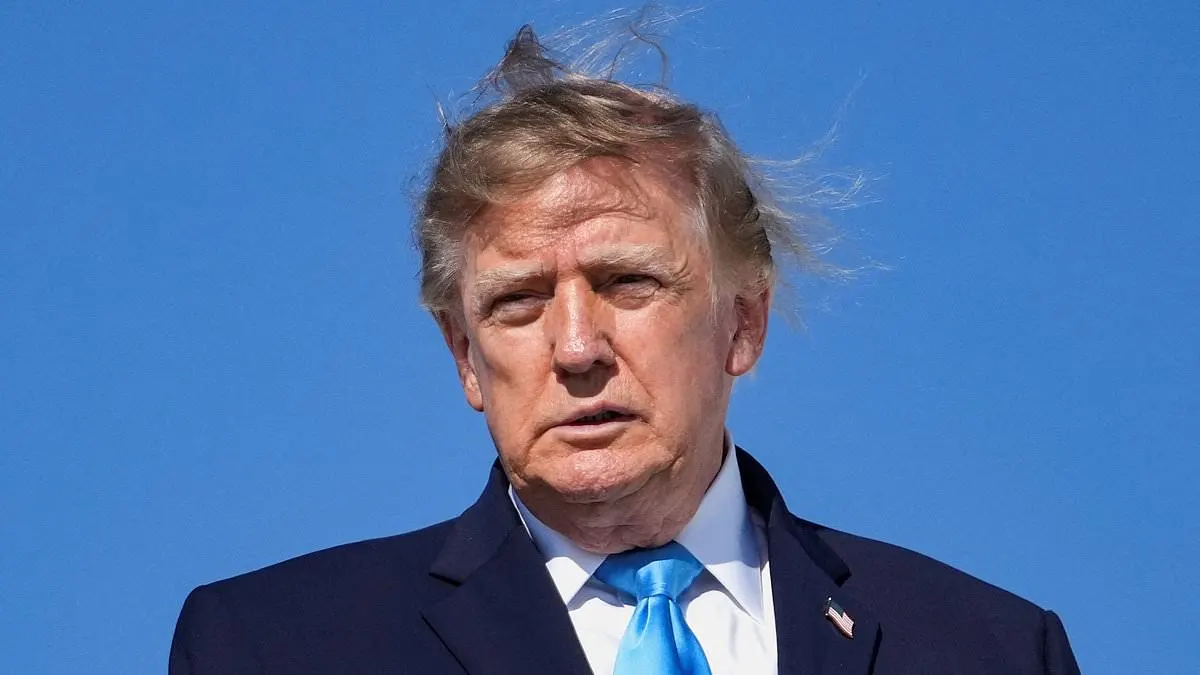
President Donald Trump has said he personally believes Iran was behind an attempted hijacking of a FlyDubai flight, while Vice President JD Vance says he has seen no conclusive evidence. Their differing assessments matter because the investigation is ongoing and the administration has not officially established who was responsible.
The Boeing 737 MAX was carrying more than 170 people, mostly Israelis, when its co-pilot attacked the captain with a crash axe on 30 September 2025. Passengers helped subdue the attacker, the captain regained control and the plane diverted to Tabuk, Saudi Arabia; the suspect was arrested. Iran denies involvement, and officials have not announced a motive.
- Trump suspects Iran was behind the attempted hijacking.
- Vance says there is no conclusive evidence yet.
- Passengers subdued the attacker and the plane diverted safely.
New here? Start with this
A FlyDubai aircraft carrying over 170 passengers, mostly Israelis, was attacked on 30 September 2025 when the co-pilot assaulted the captain with a crash axe. Passengers managed to subdue the attacker, allowing the captain to regain control and divert the Boeing 737 MAX to Tabuk in Saudi Arabia. The suspect was arrested on arrival.
The origins of the attack remain undetermined. Iran has denied involvement and no official motive has been established. However, who was responsible could significantly affect how the United States responds, making the investigation's outcome important.
President Trump has publicly stated he believes Iran was behind the attack, whilst Vice President Vance has indicated he has not seen conclusive evidence. Their differing assessments reflect the uncertainty surrounding the incident as authorities work to establish the facts.
Both sides, in good faith
The strongest fair case each way — we don't pick a winner.
The case for
Given Iran's extensive history of sponsoring proxy attacks targeting Israeli interests, and given that this was a plane carrying mostly Israelis, the available evidence and patterns suggest Iranian involvement is a reasonable assessment. Intelligence leaders often must make working assessments with incomplete information rather than wait for perfect conclusive proof; providing such assessments to the public is part of responsible leadership in security matters.
The case against
Making public accusations without conclusive evidence, particularly against a foreign adversary, is deeply irresponsible and could have severe consequences for international relations or even conflict escalation. When an investigation is active and the suspect's actual motive unknown, governments have a duty to allow evidence gathering to conclude before making attributions. Jumping to conclusions undermines the investigation's integrity and damages credibility if evidence later contradicts the initial assessment.