Texas city quotes $2.3m to disclose police camera records
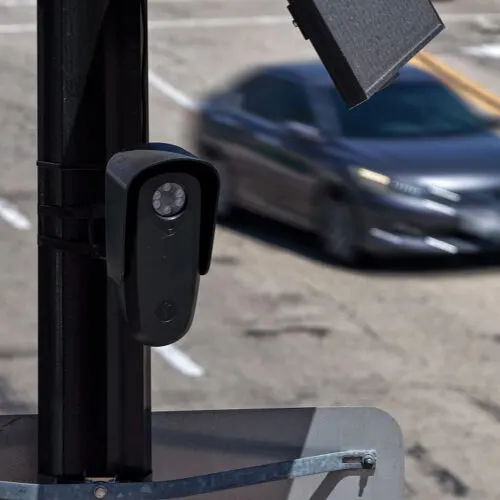
North Richland Hills, Texas, has quoted $2.3 million to fulfil a public records request for information about police use of Flock cameras. The fee comes amid growing bipartisan scrutiny of automated licence plate readers and raises concerns that steep costs could obstruct efforts to assess whether police are using the systems improperly.
Officials said searching about a terabyte of communications would require roughly 14 years of work at $15 an hour. Fees elsewhere have ranged from free access to more than 400,000 pages to $5,000, while Houston station KPRC was quoted up to $121,000. Public records have helped expose alleged misuse, including a former Texas officer who pleaded guilty to 100 felony counts; meanwhile, an Oklahoma judge recently ruled that one Flock database search was unconstitutional and described the network as mass surveillance.
- North Richland Hills quoted $2.3 million for Flock records.
- Other requests have ranged from free to $121,000.
- Records have helped uncover police misuse of the cameras.
New here? Start with this
Flock cameras are automated devices that photograph vehicle number plates as cars pass. Police departments across the United States use them to track vehicles and investigate crimes. The technology is becoming increasingly common, but it has prompted growing concerns about privacy and surveillance.
North Richland Hills, a city near Dallas, received a public records request for information about how its police department uses Flock cameras. The city calculated that compiling this information would cost $2.3 million, citing the time required to search vast amounts of data. The fee has raised questions about how costs might affect public access to police records.
Costs for similar records requests have varied widely, from free or low-cost in some jurisdictions to six figures in others. Courts have begun questioning whether the technology amounts to mass surveillance, and records about police use of Flock cameras have helped expose instances of misuse. The dispute over the cost and availability of records sits within a wider, bipartisan debate about how police departments should be held accountable for their use of surveillance technology.
Both sides, in good faith
The strongest fair case each way — we don't pick a winner.
The case for
These fees effectively gatekeep public records access and undermine democratic oversight. The vast inconsistency across jurisdictions—from free disclosure to $121,000—suggests North Richland Hills is inflating costs rather than reflecting genuine expenses. Public scrutiny of police surveillance technology is essential to accountability, particularly given documented misuse; high fees exploit bureaucratic complexity to obstruct the transparency that citizens need to assess whether government power is being abused.
The case against
Processing terabytes of data legitimately requires substantial labour and resources, and the municipality has provided a specific cost calculation based on actual wages. Public records statutes typically permit reasonable cost recovery; requiring agencies to absorb such intensive work unfairly burdens taxpayers who fund those staff hours. Transparency does not obligate government to provide all services free of charge, and requesters retain the option to negotiate narrower scope if the full cost proves prohibitive.
Read the full article at the source →
Originally published by Ars Technica as “Texas city demands $2M for public records on Flock usage”.