Nike refocuses on sport as shares hit decade low
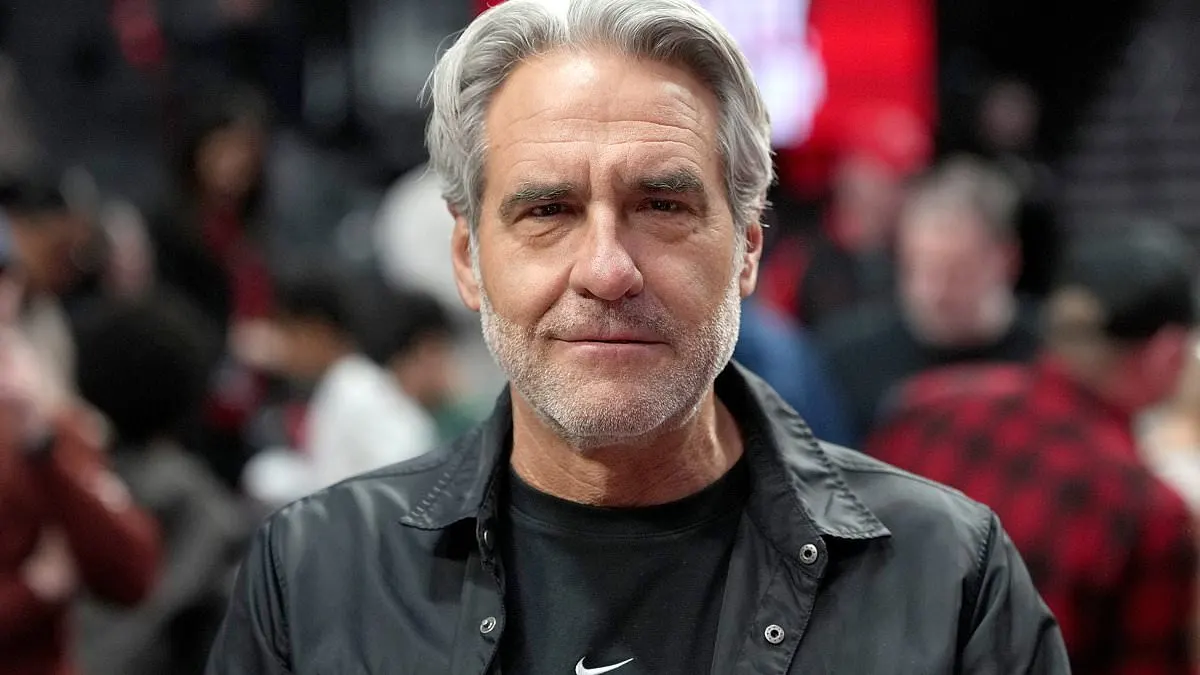
Nike chief executive Elliott Hill has said the company has spent the past year putting “sport at the centre of everything we do”, as he leads a turnaround amid weak sales and falling investor confidence. The article presents the message as a possible shift away from high-profile social campaigns, which critics say distracted from products, while noting that those campaigns cannot individually explain Nike’s financial troubles.
Nike shares closed at $33.87, their lowest level in more than a decade and about 80 per cent below their November 2021 peak of $177.51; revenue has also fallen from a record, and the company has made repeated layoffs. Hill returned as CEO in 2024. The article cites commercial pressures including weaker demand in China, stronger competition and product problems, alongside past controversies over Nike’s sponsorship of Colin Kaepernick, its Dylan Mulvaney partnership, and athletes Allyson Felix and Mary Cain’s accounts of their treatment.
- Nike’s shares are about 80 per cent below their 2021 peak.
- CEO Elliott Hill says the company is putting sport at its centre.
- Weak demand, competition and product problems challenge its recovery.
New here? Start with this
Nike, the sportswear giant, is undergoing its worst financial crisis in more than a decade. The company's share price has fallen roughly 80 per cent from its 2021 peak to levels not seen in over ten years, revenues have fallen from record levels, and the company has made repeated redundancies.
Nike's problems stem from multiple sources. These include weakened demand in China, intensified competition, product quality issues, and various public controversies involving sponsorships and partnerships, as well as claims by athletes about how they have been treated.
Elliott Hill took over as chief executive in 2024 with a mandate to revitalise the company. His stated focus on putting sport at the centre of Nike's operations represents the company's response to these interconnected challenges.
Both sides, in good faith
The strongest fair case each way — we don't pick a winner.
The case for
Those supporting Nike's strategic refocus argue that publicly-traded companies have a fiduciary duty to shareholders to maximise returns, and a collapse of 80% from peak valuations signals serious strategic failure. High-profile social campaigns—whether the Kaepernick sponsorship, Dylan Mulvaney partnership, or others—consumed executive attention and marketing resources at a critical juncture when Nike should have prioritised product innovation, supply chain resilience, and competitive response to market shifts. Returning sport to the centre of operations represents a necessary recalibration to Nike's fundamental strength: exceptional athletic products and performance-based athlete partnerships that built the brand.
The case against
Those defending social engagement argue that corporate responsibility and principled stands on social issues represent an important evolution in business ethics, particularly for engaging younger consumers who form Nike's future customer base. Nike's campaigns represented genuine values-based positioning rather than expensive distractions; major campaigns and product development operate on different timescales and budgets. The company's financial troubles stem from demonstrable external factors—weakened Chinese demand, intensified competition, and product quality issues—rather than from CEO time spent on ethical positioning. Retreating from social advocacy risks alienating Nike's most loyal demographic and suggests that corporate conscience must yield to quarterly pressures.
Art Business Companies Culture Markets World
Read the full article at the source →
Originally published by Daily Mail as “Nike CEO drops heavy hint he thinks sportswear giant went too woke as cratering stock price shows no signs of recovery”.