Trump order aims to ease diesel prices by expanding tax-free fuel access
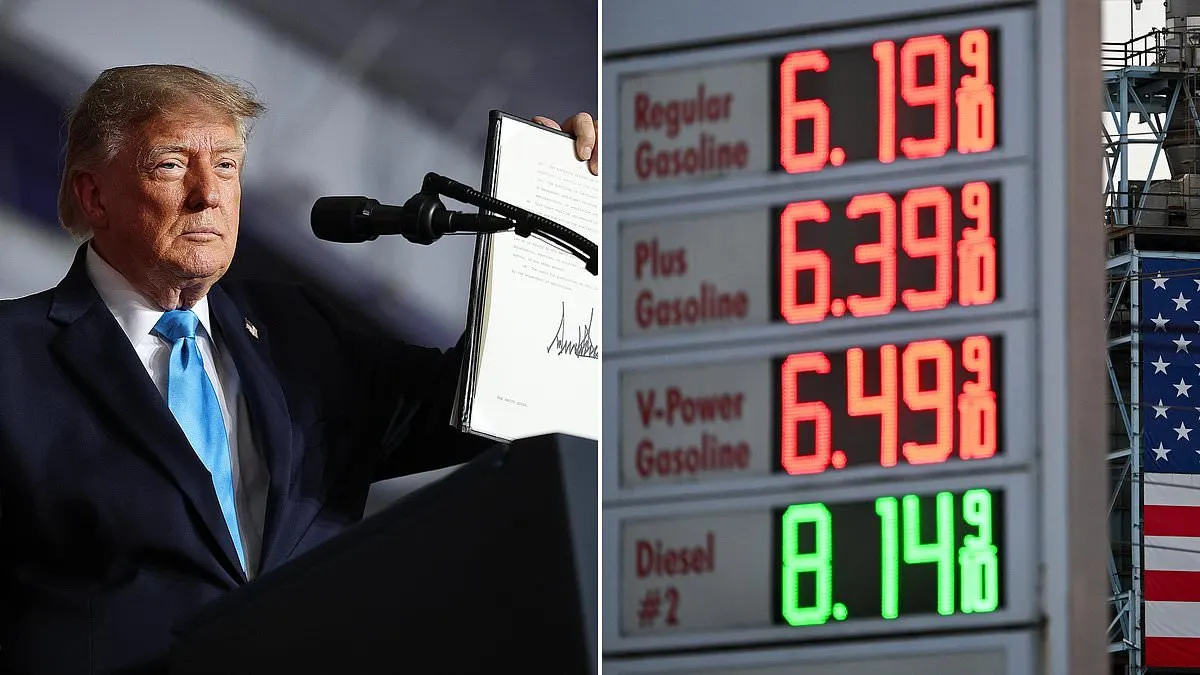
Donald Trump signed an executive order intended to increase diesel supply and ease prices, which reached about $6.50 a gallon last month. The move comes weeks before the US midterm elections, as high fuel costs put pressure on businesses and consumers.
The order could temporarily expand access to red-dyed diesel, normally tax-exempt and restricted to off-road uses, and prompt states to waive taxes on road diesel. Higher diesel costs affect freight transport and may feed through to prices for goods; G7 countries have also announced a release of 100 million barrels of diesel, though how much represents new supply is unclear.
- Trump’s order aims to increase diesel supply and lower prices.
- Diesel reached roughly $6.50 a gallon last month.
- The G7 announced a 100-million-barrel diesel release.
New here? Start with this
Diesel fuel powers most of the heavy lorries, buses and farm vehicles that transport goods around the country. When diesel prices rise, the cost of moving goods increases, which feeds through to higher prices for consumers in shops. This makes diesel particularly important to the economy and to people's living costs.
Diesel prices in the United States have reached unusually high levels in recent months, straining freight companies and other businesses that depend on transport. Higher fuel costs eventually increase prices for the goods and services that consumers buy. These rising costs can affect how people view the state of the economy and their own financial circumstances.
Governments can attempt to manage fuel prices through various policy tools, including releasing fuel reserves and adjusting taxes on fuel. Policymakers often focus on addressing fuel prices when they become a significant public concern.
Both sides, in good faith
The strongest fair case each way — we don't pick a winner.
The case for
Those supporting the order argue that diesel price spikes create genuine economic hardship across supply chains—trucking, agriculture, manufacturing—which ripple through to consumer prices and business viability. They contend that when essential infrastructure costs spike sharply, government has a legitimate responsibility to intervene with targeted relief, and tax exemptions or waivers are a practical way to reduce costs for working people and businesses most affected by inflation. From this perspective, providing rapid relief during an economic squeeze is both economically justified and reflects a compassionate understanding of the real pressures facing ordinary workers and companies.
The case against
Critics contend that this approach creates problems rather than solving them, as it diverts red-dyed diesel away from its intended agricultural and off-road uses whilst doing nothing to increase actual fuel supply—merely redistributing scarce resources whilst sacrificing government revenue needed for other priorities. They argue that diesel shortages require genuine structural solutions such as investment in refining capacity or strategic reserves, not temporary tax measures that address symptoms rather than causes. The timing weeks before elections, combined with the absence of deeper supply-side reforms, suggests this represents political theatre designed to appear responsive rather than serious energy policy.
Elections Government Politics World
Read the full article at the source →
Originally published by Daily Mail as “Trump signs executive order to allow tax-free diesel in effort to lower gas prices just weeks before midterm elections”.