Trump uses transgender slur against opponent of Darline Graham as he urges voters to back late South Carolina senator’s sister
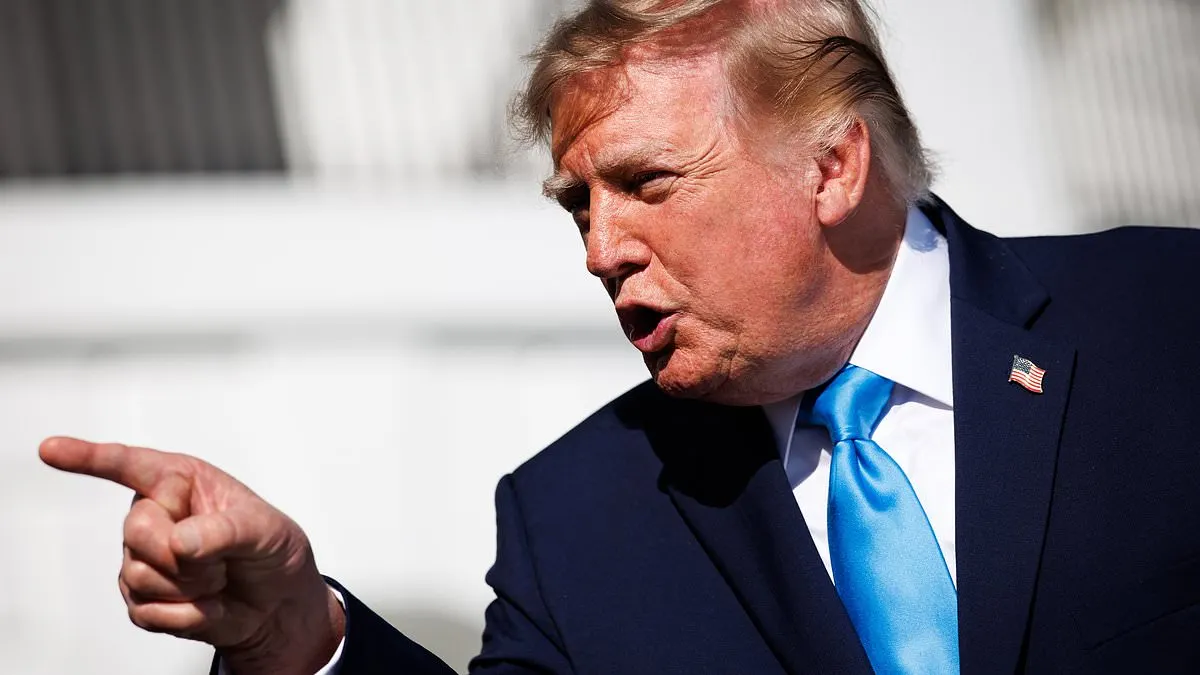
Donald Trump used a slur for transgender people as a nickname for Annie Andrews, the Democratic candidate challenging Darline Graham in South Carolina’s Senate race. He urged voters to support Graham and attacked Andrews’s positions, although the article notes that Andrews is not transgender; the episode adds a personal attack to a contest that may be more competitive than expected.
Andrews, a Charleston paediatrician and mother of three, won her party’s primary in June. Graham was appointed to serve the remaining months of her late brother Lindsey Graham’s Senate term, then won the Republican special primary run-off against Congressman Ralph Norman in August and received Trump’s endorsement. South Carolina has not elected a Democrat to the Senate since 1956, but the article says Andrews is among Democratic candidates polling competitively in traditionally Republican states, amid concern among Republicans about rising energy costs and the midterm elections.
- Trump used a transgender slur to attack Annie Andrews.
- He urged South Carolina voters to back Darline Graham.
- Andrews is polling competitively in a traditionally Republican state.
New here? Start with this
Darline Graham, a Republican, is running for South Carolina's Senate seat. She was appointed to serve the remainder of her late brother Lindsey Graham's Senate term, and subsequently won her party's primary run-off in August. Her Democratic opponent is Annie Andrews, a Charleston paediatrician and mother of three, who won her party's primary in June.
South Carolina has not elected a Democrat to the Senate since 1956, making it a strongly Republican state. However, Andrews is among Democratic candidates who are polling competitively in traditionally conservative states, suggesting the political landscape may be shifting. Republicans have raised concerns about energy costs and upcoming elections.
Both sides, in good faith
The strongest fair case each way — we don't pick a winner.
The case for
Political campaigns inevitably involve vigorous personal attacks and colourful rhetoric; critics who single out this language ignore similar attacks across the political spectrum. Voters primarily evaluate candidates based on economic and policy records rather than insults, and the disproportionate media focus on Trump's word choice distracts from substantive debate about issues like energy costs and taxation that actually influence electoral outcomes.
The case against
Regardless of political context, using slurs—particularly mocking a marginalised group's identity—contradicts basic democratic norms and represents unfit conduct for political leadership. Using such language against someone to whom it does not apply is especially egregious, as it weaponises transgender identity as an insult and reinforces harmful stigma against the community.