The tangled story of Led Zeppelin’s Whole Lotta Love
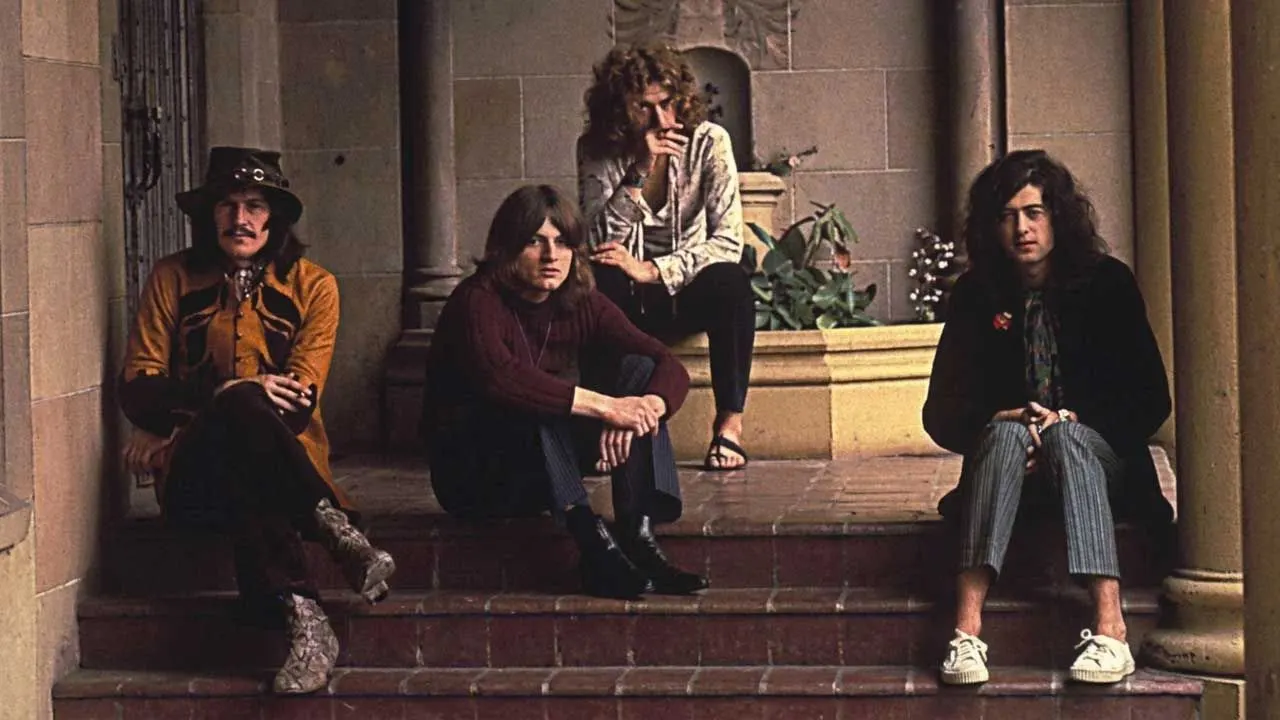
Led Zeppelin's "Whole Lotta Love" was created by Jimmy Page in 1968 and became a defining track for their second album, beginning sessions in April 1969. The song's creation involved interesting creative choices and mistakes that were kept intentionally, but its history also reveals tensions in rock music's relationship with its blues roots – the band ultimately faced a successful lawsuit from blues legend Willie Dixon over lyrical borrowing, leading to a settlement that added Dixon to the songwriting credits.
Page developed the song's distinctive three-note riff at his Pangbourne home in late summer 1968, and final mixing took place over two days in New York in August 1969 under producer Eddie Kramer's direction. The lyrics heavily borrowed from Dixon's "You Need Love" (1962), recorded by Muddy Waters, as well as lines from Dixon's "Shake For Me" and "Back Door Man". Dixon's 1985 lawsuit and subsequent settlement resulted in his name being added to the credits, representing a significant moment in acknowledging the blues foundations of rock music. The song made its live debut in April 1969 and eventually became a staple of Zeppelin's set.
- Led Zeppelin's Whole Lotta Love became a defining track from their 1969 album.
- The song heavily borrowed from blues musician Willie Dixon's compositions.
- Dixon sued successfully in 1985, resulting in co-writing credit.
New here? Start with this
"Whole Lotta Love" is a rock song recorded by Led Zeppelin for their second album in 1969. Jimmy Page developed the song's distinctive three-note riff in late 1968, and it became one of the band's most defining tracks, eventually becoming a staple of their live performances.
The song's history illustrates a broader tension in rock music's relationship with its blues heritage. The lyrics heavily borrowed from earlier blues compositions by Willie Dixon, including his "You Need Love" (which had been recorded by blues legend Muddy Waters), as well as material from Dixon's "Shake For Me" and "Back Door Man".
Led Zeppelin did not initially credit Dixon for these borrowings, but in 1985 he launched a successful lawsuit against the band. The resulting settlement added Dixon's name to the songwriting credits, marking an important moment in acknowledging the blues foundations of rock music's development.
Both sides, in good faith
The strongest fair case each way — we don't pick a winner.
The case for
Rock music evolved naturally from blues through creative interpretation and transformation. Whilst Zeppelin did borrow lyrical elements from Willie Dixon, Jimmy Page's arrangement and distinctive riff were genuinely original compositions that substantially transformed the source material into something new. The settlement that added Dixon to the credits ultimately proved the system could rectify oversights, and Zeppelin's broader role in introducing blues traditions to global audiences represents a legitimate continuation of musical evolution rather than simple exploitation.
The case against
The case exemplifies how Black American blues pioneers were systematically denied proper credit and compensation for their foundational creative work by white British musicians who profited substantially. Borrowing Dixon's lyrics without initial acknowledgement was ethically indefensible, and the decades-long delay before a lawsuit forced rectification demonstrates how professional standards failed. Genuine respect for blues traditions requires transparent crediting from the outset, not belated settlements extracted through legal action.