Cornell University Disciplines Five Students in Chi Phi Fraternity Sexual Assault Case Following Declined Prosecution
Developed over time first seen 17 hours ago
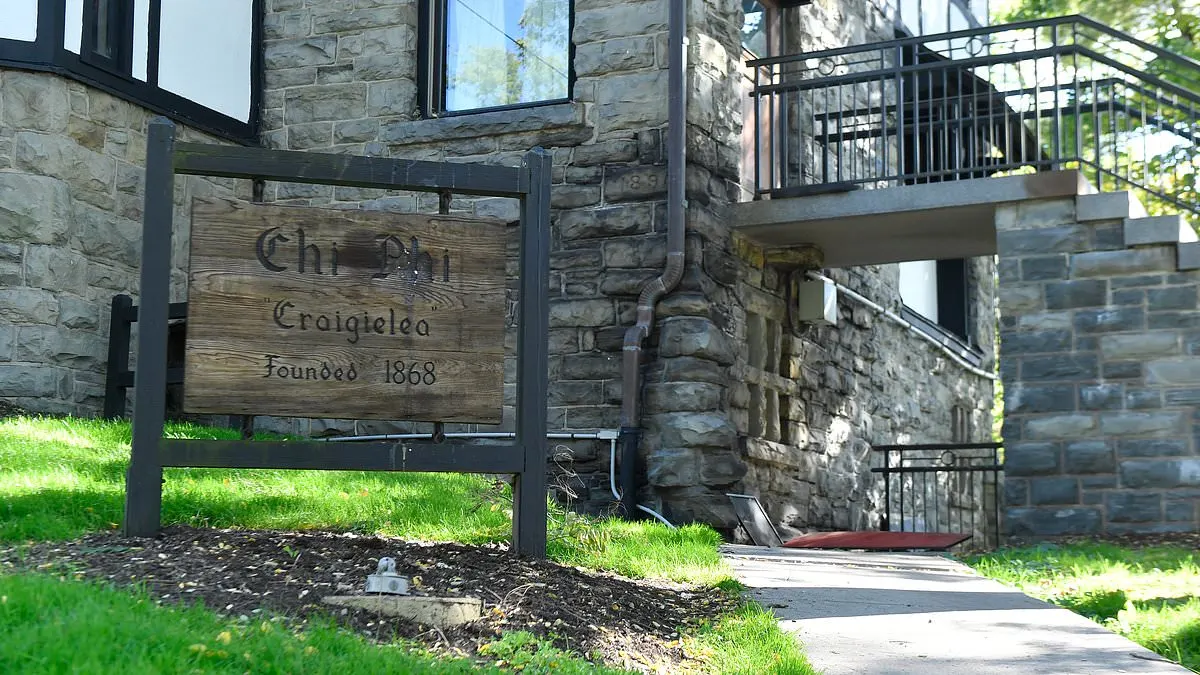
Cornell University has disciplined five students in connection with sexual assault allegations at a Chi Phi fraternity party in October 2024, after prosecutors declined to bring criminal charges. A woman identified as Jane Doe alleged she was drugged and raped by seven men for several hours at the event. The university's response to the incident has faced intense criticism, triggering widespread protests and plans for a faculty no-confidence vote.
The university has appointed Sally Yates, the former US deputy attorney general, to lead an independent review of its handling of the case and whether it followed its own policies. New York Governor Kathy Hochul assigned special prosecutor Letitia James to investigate both the allegations and the initial law enforcement and university response. A lawyer for one of the accused has called for James to recuse herself, citing her previous public statements expressing support for the complainant, though the Governor maintains James will follow the evidence impartially.
- Cornell disciplined five students over October 2024 fraternity sexual assault allegations.
- Prosecutors declined to bring criminal charges against the accused.
- University faces faculty no-confidence vote over its handling of the case.
New here? Start with this
A female student at Cornell University alleged she was sexually assaulted at a Chi Phi fraternity house in October 2024, claiming she had been drugged during the incident. Seven fraternity members were accused in connection with the allegations.
Tompkins County prosecutors investigated the matter but declined to press criminal charges, citing insufficient evidence. Universities operate their own disciplinary systems separate from the criminal justice system and apply different standards when evaluating such allegations.
This case illustrates how sexual assault allegations can be handled differently depending on whether they proceed through criminal courts or university disciplinary processes. Criminal prosecutions require proof beyond reasonable doubt, whilst universities apply different standards when determining whether students have violated their conduct code.
Both sides, in good faith
The strongest fair case each way — we don't pick a winner.
The case for
Universities have a legitimate institutional responsibility for student safety that operates independently from criminal law, justified by their duty of care to their broader community. The preponderance-of-evidence standard is appropriate for this institutional purpose; universities need not defer all serious judgment to criminal courts, which operate under fundamentally different standards and priorities. When disciplinary panels find conduct violations based on available evidence, imposing appropriate sanctions reflects institutional accountability for serious misconduct affecting campus safety. Students retain meaningful due process rights within disciplinary proceedings to present their accounts and contest findings.
The case against
Expelling and suspending students based on evidence prosecutors deemed insufficient for criminal prosecution raises significant fairness concerns, particularly given severe life consequences. University disciplinary systems lack the procedural safeguards and investigative resources of criminal courts, making them unsuitable for imposing sanctions as severe as expulsion on contested allegations. The principle that serious punishment requires a robust factual foundation should not be weakened simply because it occurs in an institutional rather than criminal setting. When prosecutors decline to proceed due to insufficient evidence, university discipline under a lower evidentiary standard risks becoming an end-run around fundamental protections.
Full account
Cornell University expelled two former members of its Chi Phi fraternity after a disciplinary panel found them responsible for sexually assaulting a fellow student at the fraternity house in October 2024. Three other men received suspensions or restrictions, while two were given lesser disciplinary requirements. The university’s findings followed a police investigation that did not lead to criminal charges. Tompkins County District Attorney Matthew Van Houten said there was insufficient evidence to prosecute.
The woman, identified as Jane Doe in court documents, alleged in a civil lawsuit that seven fraternity members drugged and sexually assaulted her on 19 October 2024. She reported the incident to Cornell police on 14 November. A three-member university panel did not find that all seven men had sexually assaulted her. It found Matthew Ingalls, who had invited her to the house, and Jonathan Newell responsible for sexual assault and expelled them. According to the disciplinary records described in one report, Cornell officials said Ingalls had been willing to exploit and endanger her. The records also described her allegation that Newell pressured her to take ketamine and struck her hard enough during intercourse to leave bruises.
Winston Lee received a two-year suspension and disciplinary probation on his return; Gillio Lopes received a three-semester suspension and two years of probation. Both were ordered to have no contact with Doe, complete work on sexual harassment and write reflective papers. Diego Sarabia, who had graduated by the time of the panel’s March 2025 decision, was barred from campus for three years. Scott Norris and Scott Kretzsch were given no-contact orders and educational and written assignments. Doe had made allegations against Lee and Lopes, but the reported panel findings did not hold them responsible for sexual assault. Cornell also suspended the Chi Phi student group from campus.
A separate report focuses on accounts given during the university police investigation. It says Ingalls told investigators he had been too intoxicated to consent to sex and suggested that Doe might have assaulted him. In a recorded conversation obtained by police, the two disputed how intoxicated she had been and what happened in the house. Doe said she had consumed about ten shots, recalled several men in the room and had needed emergency care and therapy afterwards. Ingalls maintained that she had told him she was sober and gave his account of how a threesome began. Those exchanges show sharply conflicting recollections; they do not resolve every allegation in Doe’s lawsuit. The criminal decision, the university’s disciplinary findings and the pending civil allegations are separate matters, each with a different process and evidential threshold.
Where outlets differ
Source 1 concentrates on Cornell’s disciplinary findings and the different sanctions imposed on the seven men. Source 2 concentrates on Ingalls’s account to investigators and his recorded exchange with Doe.
Source 1 reports that the university panel found two men responsible for sexual assault, despite Doe’s wider allegations. Source 2 gives more detail about those wider allegations and the conflicting accounts of intoxication and events inside the house. Neither source reports criminal charges.