UK oil refinery broke toxic pollution limits dozens of times, documents reveal
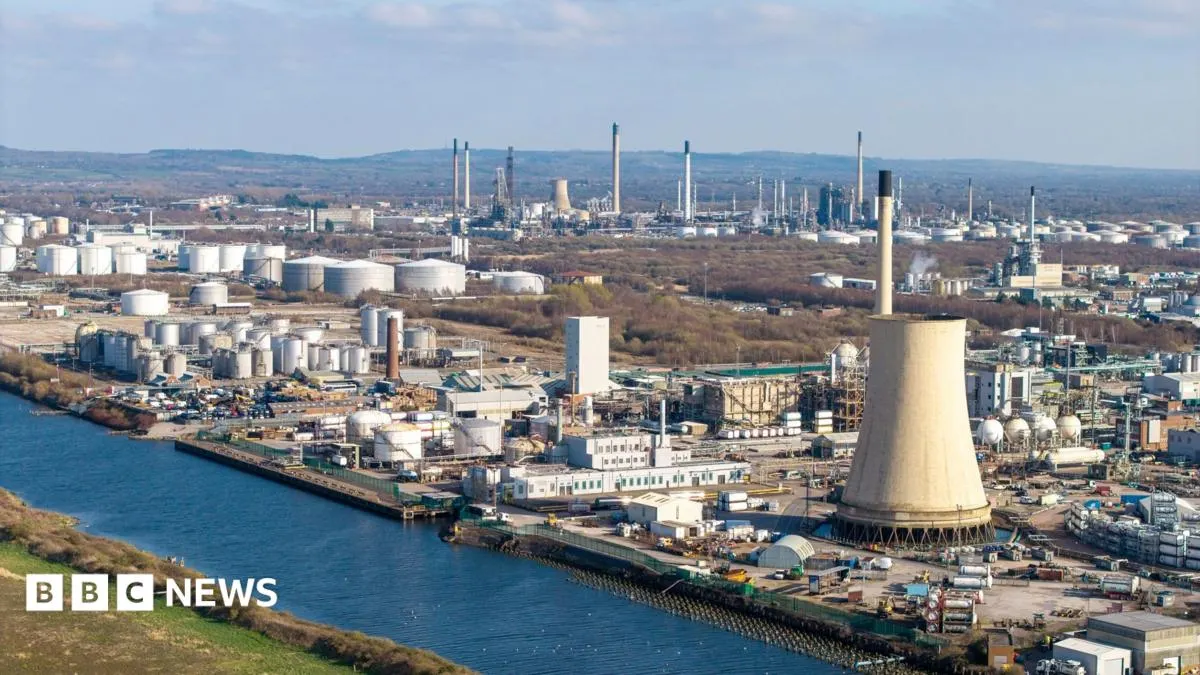
Environment Agency documents indicate that Stanlow oil refinery breached its environmental permit 58 times in 2023 and 2024, after permitted chemical release levels were exceeded hundreds of times. The findings matter because pollutants entered nearby waterways and groundwater, and the affected streams flow into the protected Mersey Estuary.
The reported pollutants included cyanide, benzene, sulphur dioxide and oil. In one 2024 incident, more than a tonne of oil entered Thornton Brook over 36 hours and reached the estuary; the company took nearly two weeks to estimate the amount, despite a 24-hour reporting requirement. EET Fuels said it takes its environmental responsibilities seriously and described an earlier groundwater incident as localised within the refinery site. The Environment Agency is investigating; EET Fuels pleaded guilty this year to 12 other environmental-law charges relating to 2018 to 2020.
- Stanlow refinery’s permit was breached 58 times in 2023 and 2024.
- More than a tonne of oil reached the Mersey Estuary in 2024.
- The Environment Agency is investigating the reported breaches.
New here? Start with this
Oil refineries process crude oil into petrol, diesel and other fuels. During this process, they release chemicals that can pollute air, water and soil, so British refineries must hold environmental permits limiting their legal discharges. Stanlow is a large oil refinery in Cheshire, north-west England.
The refinery is situated close to Thornton Brook, a small watercourse that flows into the Mersey Estuary. This estuary has legal protection due to its environmental importance to wildlife and fisheries.
Oil refining operations release hazardous chemicals including benzene, cyanide, sulphur dioxide and oil. These substances can harm aquatic ecosystems and contaminate water supplies at relatively low concentrations, which is why environmental permits set strict limits on their discharge.